
Strike Russia: Ukrainian Drones Hit Primorsk Port and Oil Sites
Ukrainian drones have struck Russia's Primorsk port in a significant escalation, targeting oil tankers, military ships, and key energy infrastructure, as part of ongoing efforts to disrupt Russia's export capabilities.[1] This strike Russia operation comes amid intensified exchanges, with five people killed in strikes affecting both Ukraine and Russia, alongside injuries reported in Ukrainian cities from Russian counterattacks.[2] In Zaporizhzhia, five people including a 12-year-old child were injured in a Russian attack, while in Dnipro, eight people were hurt and student accommodation damaged.[3][5] Russian officials have warned that such strikes on oil infrastructure could drive up global oil prices.[4]
Overview of the Strikes
The recent wave of Ukrainian drone attacks on Russian targets marks a continued pattern of targeting energy and military assets deep within Russian territory. Ukrainian forces launched drones that hit Russia's Primorsk port, a critical export gateway in the Baltic Sea region, along with oil tankers and military ships.[1][4] This operation is described as part of broader efforts by Ukraine to attack Russia's energy infrastructure, focusing on one of the country's largest export points for oil and related products.[1] The strikes occurred on Sunday, involving multiple vessels in the Baltic Sea, underscoring the reach of Ukrainian drone capabilities into strategically vital areas.[4]
Simultaneously, Russian responses have included attacks on Ukrainian urban centers, contributing to a tally of five deaths across both nations from the day's exchanges.[2] These events highlight the tit-for-tat nature of the conflict, where Ukrainian actions against Russian logistics provoke retaliatory strikes on civilian-adjacent areas in Ukraine. The Primorsk port, known for its role in handling substantial volumes of Russia's energy exports, represents a high-value target that could impact Moscow's revenue streams and logistical networks.[1] Kremlin statements have linked these incidents to potential wider economic ripples, emphasizing the interconnectedness of military actions and global markets.[4]
In the context of ongoing hostilities, these strikes illustrate Ukraine's strategy of asymmetric warfare, using drones to strike at economic lifelines rather than engaging in direct conventional battles. Russia's Primorsk port has been repeatedly highlighted as a linchpin in its energy export strategy, making it a focal point for disruption.[1] The involvement of oil tankers and military ships suggests a multifaceted assault aimed at both crippling export operations and neutralizing naval assets.[1][4] On the Ukrainian side, Russian attacks have zeroed in on regional cities, causing localized but significant damage and casualties.[2] This overview encapsulates a day of heightened activity on May 3, where drone technology enabled precision strikes from afar, while artillery and missile responses inflicted harm closer to the front lines.[3][5]
The synchronization of these events—Ukrainian drones reaching the Baltic Sea while Russian forces bombarded southern and central Ukraine—demonstrates the expansive geographical scope of the conflict. Primorsk's status as a major hub amplifies the strategic weight of the Ukrainian operation, potentially forcing Russia to divert resources to protect its energy sector.[1] Casualty figures from both sides, totaling five deaths, serve as a grim reminder of the human cost embedded within these tactical maneuvers.[2] As the conflict evolves, such strikes on infrastructure could set precedents for future engagements, testing the resilience of both nations' critical assets.
Details of Ukrainian Attacks on Russian Infrastructure
{IMAGE_2}
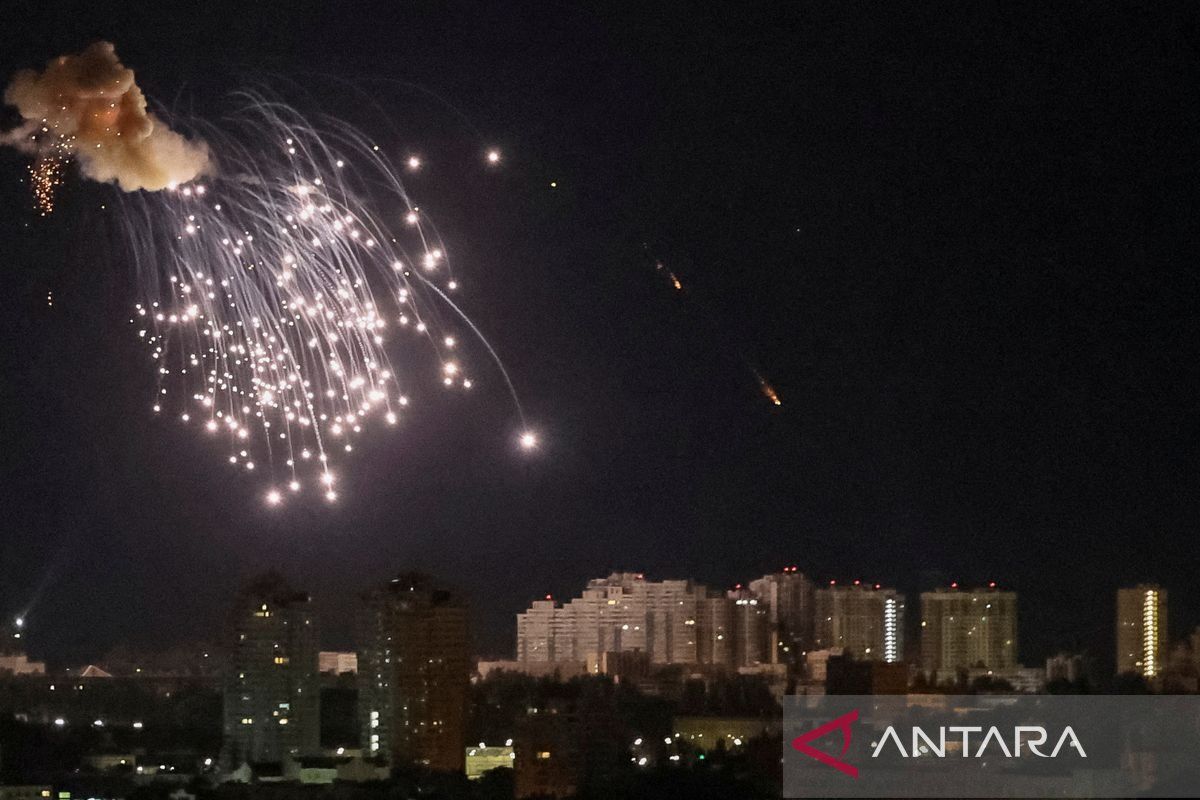
Ukrainian drones specifically targeted Russia's Primorsk port, striking oil tankers, military ships, and associated energy infrastructure in a coordinated assault.[1][4] Primorsk, situated in the Baltic Sea, serves as one of Russia's premier export gateways, handling vast quantities of oil and petroleum products that fuel Moscow's economy.[1] The attacks encompassed a number of vessels, indicating a broad operation designed to maximize disruption to both commercial and military maritime activities.[4] This strike on energy sites aligns with Ukraine's sustained campaign against Russian oil infrastructure, aiming to degrade the Kremlin's ability to fund its military efforts.[1]
The precision of the drone strikes allowed Ukrainian forces to reach deep into Russian territory, hitting targets that are vital for export logistics.[1] Reports confirm impacts on oil tankers, which are essential for transporting Russia's crude and refined products to international markets, alongside military ships that bolster naval presence in the region.[1] The port itself, a cornerstone of Russia's energy export network, faced direct hits, potentially affecting loading facilities and storage areas.[4] Ukraine's President Volodymyr Zelensky framed these actions as limiting "Russia's war potential," suggesting a deliberate strategy to erode the economic foundations supporting prolonged conflict.[4]
These details reveal the tactical sophistication involved: drones navigating to the Baltic Sea to engage multiple high-value targets simultaneously.[4] The focus on Primorsk underscores its economic significance, as disruptions here could cascade through global supply chains reliant on Russian energy exports.[1] Military ships targeted in the strikes point to an intent to challenge Russia's maritime security, complicating its defensive postures in the Baltic region.[1] This operation fits into a pattern where Ukraine prioritizes energy infrastructure to impose long-term pressure, contrasting with more immediate frontline battles.[1][4]
Further examination shows the strikes' potential to halt or delay shipments from one of Russia's busiest ports, where oil tankers routinely queue for loading.[1] The involvement of energy sites beyond the port itself broadens the impact, possibly affecting pipelines, refineries, or support infrastructure nearby.[4] Such actions compel Russia to enhance defenses around these assets, diverting air defense systems and personnel from other theaters.[4] The Ukrainian drone campaign's success in reaching Primorsk highlights advancements in range, evasion, and targeting technology, enabling strikes far from the border.[1]
Russian Counterattacks and Their Impact
Russian forces responded with attacks on Ukrainian cities, notably striking residential areas in Zaporizhzhia and Dnipro on May 3.[3][5] In Zaporizhzhia, the assault injured five people, including a 12-year-old girl, occurring in the afternoon and affecting civilian zones.[3] These strikes exemplify Russia's pattern of targeting urban infrastructure, leading to immediate human and material tolls.[3]
In Dnipro, Russian attacks damaged student accommodation in a residential area, injuring eight people.[5] Visual evidence from the scene, including photos and videos, documents the extent of destruction to the student housing, which serves as home to many young residents.[5] The precision or lack thereof in these strikes resulted in collateral damage to non-military structures, amplifying the impact on civilian life.[5]
The counterattacks' effects extend beyond immediate injuries, disrupting daily life in these cities. Zaporizhzhia, a key regional hub, saw its population confronted with the risks of living near contested areas, with the inclusion of a child among the injured heightening the tragedy.[3] Dnipro's student accommodation strike raises concerns over educational continuity, as damaged facilities force relocations and repairs amid ongoing hostilities.[5] These incidents contribute to the broader narrative of exchanges where Russian responses mirror Ukrainian infrastructure targeting but shift to populated Ukrainian heartlands.[3][5]
Analysis of the impacts reveals a strategy of deterrence, aiming to pressure Ukrainian morale and resources through urban strikes.[5] The residential focus in Dnipro underscores vulnerabilities in civilian housing, particularly for students who represent the future workforce.[5] In Zaporizhzhia, the afternoon timing suggests opportunistic or planned barrages during peak civilian activity.[3] Collectively, these counterattacks inflicted measurable harm, with injuries requiring medical attention and infrastructure repairs straining local capacities.[3][5]
Statements from Officials on the Incidents
{IMAGE_3}
Ukrainian President Volodymyr Zelensky described the drone strikes on Russia's Primorsk port as measures that limit "Russia's war potential," positioning them as strategic blows against Moscow's military-industrial base.[4] This rhetoric frames the attacks on oil tankers, military ships, and energy infrastructure as essential to weakening Russia's capacity for sustained aggression.[4]
In contrast, Kremlin spokesman Dmitry Peskov warned that continued Ukrainian strikes on Russian oil infrastructure could lead to further rises in global oil prices.[4] Peskov's comments highlight the economic interdependence at play, suggesting that disruptions at export hubs like Primorsk might exacerbate market volatility.[4] His statement ties the military actions directly to commodity markets, implying broader international repercussions.[4]
These official remarks encapsulate divergent narratives: Ukraine emphasizing defensive necessity and Russian officials underscoring retaliatory and economic risks.[4] Zelensky's assertion of curbing war potential aligns with the targeting of energy assets that fund conflict operations.[4] Peskov's oil price warning serves as both a caution to Ukraine and a signal to global observers about supply chain fragilities.[4]
The statements also reflect diplomatic posturing amid escalating strikes. Zelensky's positive portrayal bolsters domestic support for drone campaigns, while Peskov's economic focus aims to garner sympathy from energy-importing nations.[4] Together, they provide insight into how leaders interpret the Primorsk incident's significance, with Ukraine viewing it as a victory and Russia as a provocation warranting response.[4]
Casualties and Human Effects Reported
Five people were killed in strikes affecting both Ukraine and Russia, marking a somber human dimension to the day's events.[2] These deaths span the exchanges, including Ukrainian drone operations and Russian counterstrikes.[2]
In Zaporizhzhia, a Russian attack injured five people, prominently featuring a 12-year-old girl among the victims, on the afternoon of May 3.[3] The injuries highlight the vulnerability of civilians, particularly children, in conflict zones.[3] Medical responses and family impacts add layers to the human toll beyond numbers.[3]
Dnipro saw eight people injured from a Russian strike on a residential area, with significant damage to student accommodation.[5] Photos and videos capture the devastation, showing structural failures that endangered young lives.[5] The targeting of student housing disrupts education and heightens psychological strain on affected communities.[5]
These reports detail a combined injury count exceeding a dozen, alongside the five fatalities, painting a picture of widespread suffering.[2][3][5] The child in Zaporizhzhia embodies the conflict's reach into innocent lives, while Dnipro's students face interrupted futures.[3][5] Human effects include trauma, displacement, and healthcare burdens, compounding the strategic losses.[2]
Potential Global Implications from the Strikes
The strikes on Russian oil infrastructure, particularly at Primorsk port, carry warnings of elevated global oil prices, as articulated by Kremlin spokesman Dmitry Peskov.[4] Continued attacks on such sites could disrupt exports from one of Russia's key gateways, tightening supply and influencing international markets.[1][4]
Peskov's statement positions these incidents as a risk factor for energy consumers worldwide, linking Ukrainian drone successes to commodity price pressures.[4] Primorsk's role in oil tanker operations amplifies this, as any sustained halt affects global flows.[1] Zelensky's counter-narrative of limiting war potential indirectly acknowledges the economic leverage in targeting energy assets.[4]
This interplay suggests monitoring for market reactions, where Baltic Sea disruptions might prompt rerouting or production adjustments elsewhere.[1][4] The five deaths and numerous injuries underscore that while strategic goals drive actions, human costs persist across borders.[2]
What to watch next: Observers should monitor global oil price movements following Peskov's warnings and any further Ukrainian strikes on Russian energy sites, as well as Russian responses in Ukrainian cities like Zaporizhzhia and Dnipro, for signs of escalation or de-escalation in infrastructure targeting.[4][3][5]