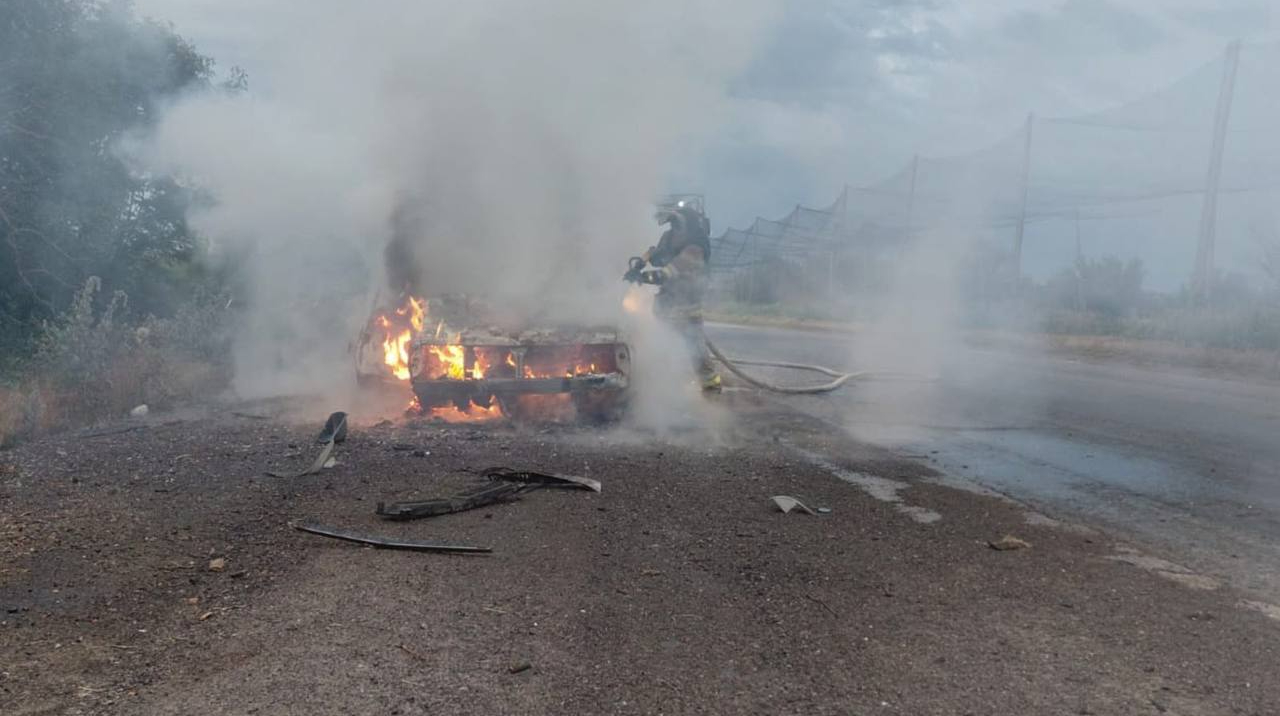

Strike on Russia: Ukrainian Drones Target Oil Port and Vessels
Ukrainian forces have conducted strikes on Russian oil infrastructure, including oil sites and ports, resulting in potential impacts on Russia's war capabilities, while Russian strikes have caused casualties and injuries in Ukrainian cities.[1][3][5] This strike on Russia marks a notable escalation in targeting energy assets, as Kyiv aims to limit Moscow's military resources amid ongoing exchanges of attacks.[3][5] Reports indicate that these actions occurred around 3 May, with Ukrainian drones focusing on key oil-related targets in the Baltic Sea region, while Russian forces hit civilian areas in Ukraine, leading to injuries and fatalities.[2][4][5]
Overview of Recent Strikes Between Ukraine and Russia
The recent exchanges between Ukraine and Russia encompass a series of mutual strikes that highlight the intensifying nature of the conflict, with both sides targeting strategic and civilian infrastructure.[1][5] On one hand, Ukrainian operations have zeroed in on Russian oil sites, as part of broader efforts to disrupt energy supplies critical to Russia's war machine.[1][5] President Volodymyr Zelensky has publicly stated that such strikes limit "Russia's war potential," underscoring the strategic intent behind these attacks.[3] Concurrently, Russian forces have launched assaults on Ukrainian urban centers, resulting in reported deaths and injuries across multiple locations.[5]
These developments, centered around 3 May, reflect a pattern of reciprocal actions where Ukraine responds to Russian aggression by hitting economic lifelines, while Russia maintains pressure on Ukrainian population centers.[1][5] Sources describe Russian strikes killing at least 10 people around Ukraine, coinciding with Kyiv's claims of successful hits on oil tankers and terminals.[5] The overview from available reports paints a picture of heightened tensions, with energy infrastructure emerging as a focal point for Ukrainian countermeasures.[1][3][5] This mutual striking dynamic has immediate contexts tied to the ongoing war, where each side leverages available capabilities—drones for Ukraine against distant targets and missiles or other munitions for Russia against closer urban areas.[1][5]
In detailing these events, reports emphasize the simultaneity of the actions: as Kyiv announced hits on Russian oil assets, Russian attacks were inflicting casualties in Ukraine.[5] This parallelism is evident in coverage from multiple outlets, which link the Ukrainian strike on Russia to broader fatality reports on both sides.[1] The strikes are not isolated but part of a wave, with Ukrainian drones extending reach to ports and vessels, while Russian operations focus on cities like Zaporizhzhia and Dnipro.[2][4][5] Such an overview provides essential context for understanding the tactical and human dimensions unfolding in early May.[1][5]
Ukrainian Strikes on Russian Oil Infrastructure
Ukrainian drones have precisely targeted Russia's Primorsk oil port and a number of vessels in the Baltic Sea, as part of a coordinated wave of attacks on energy infrastructure.[3][5] This strike on Russia directly aims at oil sites, with Kyiv claiming hits on oil tankers and a terminal, including elements of Russia's "shadow fleet" used for transporting fuel.[1][5] President Zelensky has highlighted that these operations serve to limit Russia's war potential, depriving Moscow of resources vital for sustaining military efforts.[3][5]
The Primorsk port, a key facility in the Baltic Sea region, was struck by Ukrainian drones on Sunday, demonstrating Kyiv's capability to project force over long distances.[3] Reports confirm that vessels were also targeted, amplifying the impact on Russia's oil export capabilities.[3][5] Sources note that these actions follow a pattern of Ukrainian efforts to hit oil infrastructure, as evidenced by announcements from Kyiv about successful drone strikes on tankers.[1][5] The strategic choice of energy targets underscores an intent to economically pressure Russia, with Zelensky explicitly tying the strikes to weakening war sustainability.[3]
Further details reveal the scope: not just the port, but multiple vessels, suggesting a multi-pronged assault designed to maximize disruption.[3][5] Kremlin spokesman Dmitry Peskov has acknowledged the potential ramifications, warning that continued Ukrainian attacks on oil infrastructure could drive global oil prices higher.[3] This Ukrainian initiative represents a calculated response, focusing on assets that fund and fuel Russia's military operations.[1][3][5] The precision of drone usage allows Ukraine to strike high-value targets like Primorsk without risking manned aircraft, extending the conflict's reach into Russian economic heartlands.[3]
In the context of the broader campaign, these strikes on oil sites align with prior Ukrainian tactics against energy facilities, though specifics here center on the Baltic Sea operations.[1][5] Zelensky's statements provide direct insight into the objectives, framing the hits as direct blows to Russia's logistical backbone.[3][5] Overall, the Ukrainian strikes on Russian oil infrastructure illustrate a shift toward asymmetric warfare, leveraging technology to target vulnerabilities far from the front lines.[1][3][5]
{IMAGE_2}
Russian Military Actions in Ukrainian Cities
Russian forces have carried out strikes on Ukrainian cities, focusing on residential and civilian areas, with notable attacks in Zaporizhzhia and Dnipro on 3 May.[2][4][5] In Zaporizhzhia, a Russian attack on the afternoon of that day targeted the city, injuring five people, including a 12-year-old girl.[2] Similarly, in Dnipro, Russian strikes hit a residential area, damaging student accommodation and injuring eight individuals.[4]
These military actions underscore Russia's pattern of targeting urban centers, leading to direct impacts on civilian infrastructure.[2][4][5] The strike in Dnipro specifically affected student housing, with visual evidence from photos and videos confirming the extent of destruction to residential buildings.[4] In Zaporizhzhia, the assault's timing in the afternoon amplified its disruptive effect on daily life, affecting families and children.[2] Reports place these events within a larger tally of Russian strikes across Ukraine, contributing to overall casualties.[5]
The choice of residential zones in both cities highlights the human-centric toll of these operations, with injuries reported consistently across accounts.[2][4] Dnipro's student accommodation damage points to long-term consequences for education and housing in the affected area.[4] Zaporizhzhia’s incident, involving a child among the injured, draws attention to the vulnerability of non-combatants.[2] These strikes align with broader Russian military activity, as noted in fatality reports from multiple Ukrainian locations.[5]
Contextually, these actions occur amid Ukraine's counterstrikes, forming part of the reciprocal violence characterizing recent days.[1][5] The precision or lack thereof in hitting residential targets remains a point of contention, but sources confirm the locations and immediate aftermath.[2][4] Russian military actions thus maintain pressure on Ukrainian morale and infrastructure, contrasting with Ukraine's focus on distant economic targets.[2][4][5]
Reported Casualties and Injuries from the Strikes
Casualties from the recent strikes have been documented on both sides, with Russian attacks causing significant human losses in Ukraine and Ukrainian operations prompting responses without specified Russian injuries in the reports.[1][2][4][5] Specifically, five people, including a 12-year-old girl, were injured in the Russian attack on Zaporizhzhia on 3 May.[2] In Dnipro, eight people suffered injuries from the strike on a residential area, where student accommodation was also damaged.[4]
Broader reports indicate that Russian strikes across Ukraine have resulted in at least 10 fatalities.[5] This figure encompasses deaths around the country, reported alongside Ukraine's strikes on Russian oil tankers.[5] On the Ukrainian side of actions, sources note five killed in both nations linked to the oil site hits, though specifics on Russian-side deaths are not detailed beyond the strategic context.[1] The injuries in Zaporizhzhia highlight the personal impact, with a child's involvement underscoring the civilian nature of the casualties.[2]
In Dnipro, the eight injured represent a concentrated toll from a single residential strike, with damage to student facilities adding to the disruption.[4] These numbers contribute to the overall human cost, as Russian strikes kill 10 amid the exchange.[5] Ukrainian reports tie these losses to the timing of their own operations, creating a grim symmetry in the casualty ledger.[1][5] Detailed accounts from Zaporizhzhia emphasize the afternoon timing, which likely caught people in routine activities.[2]
The casualty reports provide a verifiable snapshot: injuries ranging from children to adults in urban strikes, fatalities totaling at least 10 from Russian actions, and contextual deaths noted bilaterally.[1][2][4][5] This outlines the tangible human toll, grounded in specific incidents and locations.[2][4][5]
{IMAGE_3}
Potential Wider Impacts of the Strikes
The Ukrainian strikes on Russian oil infrastructure carry potential wider impacts, particularly concerning global oil prices and Russia's war sustainability.[3] President Zelensky has asserted that these drone attacks on Primorsk port and Baltic Sea vessels limit Russia's war potential, suggesting disruptions to fuel supplies that could hinder military logistics.[3] Kremlin spokesman Dmitry Peskov has countered that if Ukraine continues hitting Russian oil infrastructure, global oil prices may rise further, pointing to risks of supply chain interruptions.[3]
These implications stem directly from the targeting of key export facilities like Primorsk, a major oil port, and associated vessels.[3] Disruptions here could ripple through international markets, as Russia relies on such infrastructure for revenue and exports.[3] Zelensky's framing positions the strikes as strategically vital, potentially forcing Russia to divert resources or face operational constraints.[3] Peskov's warning introduces an economic dimension, where escalated attacks might exacerbate volatility in oil pricing worldwide.[3]
The focus on energy targets amplifies these effects, as opposed to purely military sites, broadening the conflict's scope.[3] While immediate damage assessments are limited, the statements from both leaders indicate anticipated longer-term consequences for Russia's economy and war effort.[3] This potential for wider impacts underscores the high stakes of Ukraine's drone campaign against oil assets.[3]
Analysis of Strategic Implications in the Ongoing Conflict
Drawing from the patterns in recent reports, the strikes reveal a strategic calculus where Ukraine prioritizes economic warfare through oil infrastructure hits, while Russia emphasizes urban pressure points.[1][3][5] Zelensky's emphasis on limiting war potential via tanker and terminal strikes aligns with efforts to erode Russia's endurance.[3][5] Conversely, the 10 fatalities from Russian strikes signal sustained offensive posture despite Ukrainian countermeasures.[5]
This dynamic, evident around 3 May, suggests evolving tactics: drones enabling deep strikes on Russia, met by missile responses on cities like Dnipro and Zaporizhzhia.[2][3][4] Casualty details—such as the child injured in Zaporizhzhia—highlight asymmetries in impact, with civilian areas bearing much of the brunt.[2] Economically, Peskov's oil price concerns could influence global energy dynamics if patterns persist.[3]
What to watch next: Continued Ukrainian drone operations against Russian oil tankers and ports, potential rises in global oil prices as warned by the Kremlin, and further Russian strikes on Ukrainian cities amid reports of fatalities.[3][5]