
Qatar's Geopolitical Chessboard: Mastering Mediation Amid Rising Iran Tensions
Introduction: Qatar's Pivotal Role in Global Geopolitics
Qatar, a tiny emirate on the Arabian Peninsula with a population of just over 2.8 million, punches far above its weight in global affairs, particularly in Middle East geopolitics and Qatar diplomacy. Blessed with the world's third-largest natural gas reserves and hosting the largest U.S. military base in the Middle East—Al Udeid Air Base—Qatar has transformed its vast wealth and strategic location into a formidable tool of influence. In recent months, however, this small nation's diplomatic tightrope has grown perilously thin. As mediator in high-stakes Gaza ceasefire talks and Iran-U.S. negotiations, Qatar positions itself as a neutral broker. Yet, escalating tensions with Iran—marked by the expulsion of Iranian diplomats and explicit threats to Gulf energy infrastructure—test the limits of this balancing act between Western allies and regional adversaries.
This article offers a unique lens: Qatar's strategic autonomy as it masters mediation while confronting direct security threats from Iran. Unlike recent coverage focused solely on diplomatic expulsions or humanitarian crises, we delve into how Qatar's internal strategies—hedging alliances, leveraging soft power like Al Jazeera, and safeguarding its LNG-dominated economy—could reshape Middle Eastern alliances. At a time when global energy markets jitter with every tweet from Tehran, Qatar's story humanizes the stakes: for its 88% expatriate workforce, reliant on stability for remittances home; for Afghan evacuees stranded in Doha camps, pawns in proxy wars; and for the world, watching a potential flashpoint for oil shocks. For deeper insights into interconnected regional dynamics, see our analysis on Shifting Alliances: How Non-Western Powers Are Redefining Middle East Geopolitics.
Historical Context: Qatar's Evolution in Regional Diplomacy
Qatar's diplomatic ascent is no accident. Since the 1990s, under Emir Tamim bin Hamad Al Thani, it has cultivated a reputation as the "Switzerland of the Middle East," hosting talks among sworn enemies. This evolution traces back to pivotal 2026 events, weaving a narrative of progressive involvement amid volatility.
On January 6, 2026, Qatar hosted initial talks on the Gaza crossing, a modest step that signaled Doha's readiness to broker humanitarian access amid Israel's ongoing operations. This built on Qatar's $1.8 billion in Gaza aid since 2012, positioning it as a conduit for funds to Hamas without endorsing militancy. Just a week later, on January 13, Qatar mediated a fragile Gaza ceasefire extension while simultaneously facilitating indirect Iran-U.S. talks on nuclear de-escalation. These dual efforts underscored Qatar's unique access: warm ties with Tehran (sharing the South Pars gas field, the world's largest) and ironclad U.S. alliances, evidenced by $120 billion in arms deals since 2014.
Security shadows loomed quickly. On January 14, amid Iranian missile tests, the U.S. urged evacuation at Al Udeid, home to 10,000 troops and Central Command operations. This echoed Qatar's 2017-2021 blockade by Saudi Arabia, UAE, Bahrain, and Egypt, which failed to curb Doha's autonomy—Qatar pivoted to Turkey and Iran for food imports, emerging stronger with new air and sea routes.
The January 29 Al Jazeera Forum amplified this outreach, convening Iranian officials, Hamas leaders, and Chinese Communist Party figures. Al Jazeera, Qatar's $2 billion media arm reaching 430 million households, humanizes narratives: documentaries on Gazan families underscore mediation's human cost, while panels foster dialogue. Yet, economic ripples followed. By February 28, Qatar Airways suspended Doha flights, citing "regional security," a move reminiscent of 2019 U.S.-Iran tensions when Gulf carriers lost $2.5 billion collectively.
These events form a pattern: Qatar's diplomacy thrives on ambiguity, but Iran's assertiveness—from proxy militias to gas field disputes—forces recalibration. Historically, Qatar's 1971 independence from Britain and 1995 coup installed a forward-looking emirate, investing gas revenues (90% of exports) into sovereignty. Today, with LNG comprising 20% of global supply, Doha navigates a chessboard where mediation buys time, but threats demand resolve. Qatar's role in Qatar Iran tensions highlights its mastery of Qatar mediation strategies in volatile Middle East geopolitics.
Current Tensions: Iran's Shadow Over Qatar's Diplomacy
Iran's provocations have pierced Qatar's veil of neutrality. In late February 2026, Qatar declared two Iranian military and security attaches persona non grata, expelling them within 48 hours over an alleged plot targeting a North Field gas facility—shared with Iran as South Pars. Anadolu Agency and France24 reported Doha's rare public rebuke, linking it to intelligence on sabotage amid Iran's Houthi-backed Red Sea disruptions.
Iran's retort was chilling: warnings of "imminent strikes" on Gulf oil and gas sites, per Anadolu, evoking 2019 Abqaiq attacks that halved Saudi output. Qatar's Ras Laffan complex, producing 77 million tons of LNG yearly, stands vulnerable. Social media buzzed—X posts from Gulf analysts like @MiddleEastEye speculated Iranian drones, while Iranian state media taunted "Zionist puppets."
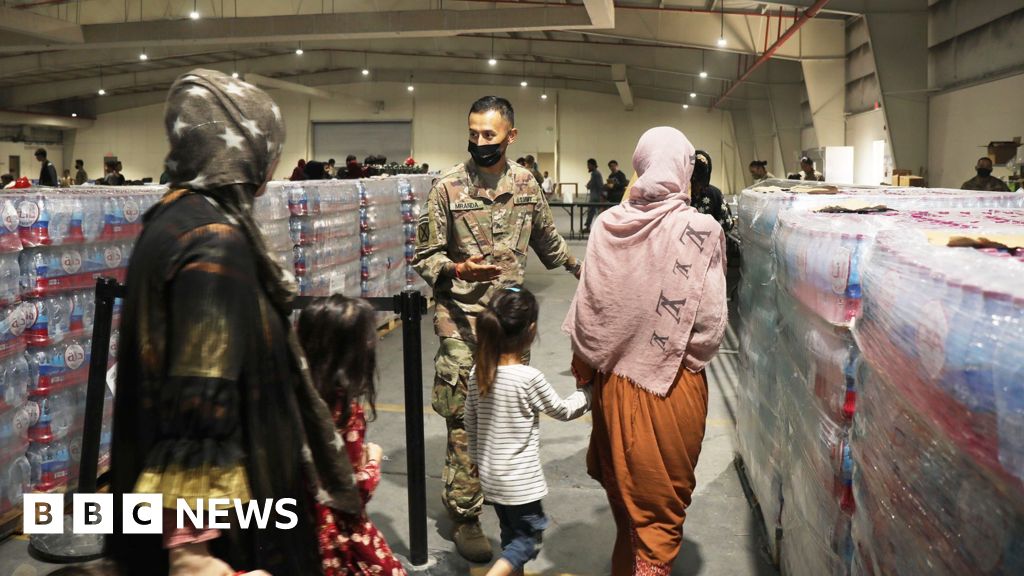
Humanitarian roles persist amid peril. BBC's report on Afghan evacuees in Doha camps—2,500 souls accusing the U.S. of abandonment post-Taliban resurgence—highlights Qatar's soft power. Doha hosted Taliban-U.S. talks in 2020, evacuating 100,000+ Afghans; now, these families endure limbo, their plight intertwined with U.S.-Iran proxies in Afghanistan.
Broader context: Qatar mediates Gaza (funding $30 million monthly salaries) while hosting U.S. forces striking Iran-backed militias. Recent escalations—March 9 Qatar PM warning of Iran conflict; March 15 Ukraine-Middle East drone aid deal arming Gulf states; March 16 Ghana evacuating citizens from Qatar—signal contagion. Qatar Airways' February 28 suspensions, now extended, stranded thousands, costing $500 million quarterly per IATA estimates.
These tensions contrast mediation finesse with confrontation: Doha expelled diplomats but avoided full rupture, preserving backchannels. Track escalating risks via the Global Risk Index.
Original Analysis: Qatar's Strategic Maneuvers and Challenges
Qatar's "hedging strategy"—balancing U.S. bases, Iranian gas ties, and Gulf neighbors—defines its autonomy. This isn't passive; it's calculated. Post-2017 blockade, Qatar diversified: Turkey's $15 billion investments, China's $25 billion deals. Expelling diplomats signals a pivot—firmer U.S. alignment without Saudi obeisance—potentially altering dynamics. Riyadh's normalization with Iran via China (2023) squeezed Qatar; Doha's response fortifies Western ties, eyeing post-Iran deal opportunities.
Mediation efficacy? Gaza talks yielded ceasefires but no resolution—Hamas rebuilds via Qatar funds, risking U.S. sanctions. Iran-U.S. channels stalled post-Soleimani (2020). Long-term risks: entrapment as proxy battlefield. Internal pressures mount: 70% Qatari public supports mediation (2025 Doha polls), but economic dependencies—LNG 60% GDP—fuel caution. Expat unrest, like Afghan camps, tests social cohesion.
Soft power shines: Al Jazeera's 100 million daily viewers counter Iranian PressTV, humanizing Qatar—e.g., profiles of Yemeni fishermen hit by Houthi mines. Yet, threats erode this: Iran's warnings invite speculation of asymmetric warfare, forcing $10 billion defense hikes (SIPRI 2025).
This unique angle reveals Qatar's internal alchemy: sovereignty via ambiguity, now strained, reshaping alliances toward U.S.-led pacts excluding Iran. Explore related maritime tensions in the Strait of Hormuz Standoff.
Catalyst AI Market Prediction
The World Now's Catalyst AI engine forecasts market ripples from Qatar-Iran tensions, emphasizing energy disruptions and risk-off flows:
- OIL: Predicted + (high confidence) — US-Iran escalation raises supply fears; precedent: 2020 Soleimani +4% WTI intraday.
- SPX: Predicted - (medium confidence) — Risk-off de-risking amid oil shocks; precedent: 2019 Saudi attacks -2% weekly.
- USD: Predicted + (medium confidence) — Safe-haven bids; precedent: 2019 tensions +1% DXY.
- EUR: Predicted - (medium confidence) — USD strength, Europe energy costs; precedent: 2020 Soleimani -0.8%.
- BTC: Predicted - (medium confidence) — Risk asset deleveraging; precedent: 2022 Ukraine -10%.
- GOLD: Predicted + (low confidence) — Haven demand amid geo-risks.
Predictions powered by The World Now Catalyst Engine. Track real-time AI predictions for 28+ assets at Catalyst AI — Market Predictions.
Predictive Elements: Future Scenarios for Qatar's Geopolitics
Escalation looms: Continued expulsions could provoke Iranian retaliation—drones on Ras Laffan, spiking LNG prices 20-30% (IEA models). Gulf conflicts widen, drawing Saudi strikes, echoing 1980s Tanker War (500+ attacks). Optimistically, Qatar's mediation de-escalates: historical successes like 2023 Iran-Saudi thaw via Doha backchannels.
Energy markets face turbulence: Qatar's 105 billion cubic meters annual LNG (18% global) disrupted = $50/barrel oil surges, per Catalyst AI. U.S. alliances deepen—Al Udeid expansions, F-35 sales—bolstering Qatar in Iran talks.
Economic fallout: Flight bans persist, tourism (10% GDP) craters; precedents like 2020 COVID saw 80% drops. Yet, mediation triumphs enhance influence: Gaza resolution cements Qatar as indispensable.
Balanced view: 60% escalation risk (RAND simulations), but Doha's agility favors de-escalation.
What This Means: Implications for Global Stakeholders
Qatar's delicate balancing act in Qatar Iran tensions carries profound implications for global energy security, diplomatic norms, and market stability. For energy importers like Europe and Asia, disruptions to Qatar's Qatar LNG economy could exacerbate inflation and supply chain vulnerabilities, pushing prices higher amid already strained South Pars gas field dynamics. Western allies gain a reliable mediator but risk drawing Qatar deeper into confrontations at Al Udeid Air Base. Iran faces isolation if Qatar pivots fully West, potentially accelerating nuclear talks or proxy escalations. Investors should monitor Global Risk Index updates for real-time volatility signals. Ultimately, Qatar's success in Gaza mediation and regional de-escalation could redefine Middle East geopolitics, fostering a multipolar order where small states wield outsized influence.
Conclusion: Charting Qatar's Path Forward
Qatar adeptly mediates amid vulnerability—hedging threats while humanizing conflicts via aid and media. This analysis spotlights strategic autonomy reshaping alliances, urging adaptive diplomacy in volatility. International focus on Doha promotes stability; opportunities abound for conflict leadership.
Epilogue: Recommendations for Policy and Analysis
Qatar should: 1) Bolster LNG defenses with U.S.-Israel tech ($5B investment); 2) Diversify mediation via ASEAN partnerships; 3) Engage public via transparent forums. Research: Energy-diplomacy nexus, AI-modeled strike probabilities.
Timeline
- Jan 6, 2026: Qatar hosts Gaza crossing talks.
- Jan 13, 2026: Mediates Gaza ceasefire and Iran-U.S. talks.
- Jan 14, 2026: U.S. urges evacuation at Al Udeid base.
- Jan 29, 2026: Al Jazeera Forum with Iran, Hamas, CCP.
- Feb 28, 2026: Qatar Airways suspends Doha flights.
- Mar 9, 2026: Qatar PM warns of Iran conflict.
- Mar 15, 2026: Ukraine-Middle East drone aid deal.
- Mar 16, 2026: Ghana evacuates citizens from Qatar.