
Middle East Strike in Gaza: The Death of a Journalist Sparks Unprecedented Global Media Uprising
Middle East Strike By the Numbers
- 36 out of 40 days: Israel has conducted airstrikes or drone attacks on Gaza since late February 2026, per Al Jazeera analysis, shattering ceasefire terms and resulting in over 150 confirmed Palestinian deaths in the latest wave.
- 5 Palestinians killed, several wounded: In strikes across Gaza on April 9 alone, including the drone attack on Wishah, according to Anadolu Agency reports.
- 1 journalist confirmed dead: Mohammed Wishah, Al Jazeera's veteran reporter, killed in a precise drone strike while on assignment; his funeral drew thousands, amplifying global outrage.
- Ongoing toll: Since January 27, 2026, at least 12 high-profile incidents, including a child's death, two West Bank killings on March 30, and classroom shootings, have claimed dozens of civilian lives.
- Global media response: Over 200 international news outlets have signed a joint statement condemning the strike, with petitions garnering 1.2 million signatures in 24 hours via platforms like Change.org and X (formerly Twitter).
- Economic ripples: Middle East strike tensions have spiked oil prices by 3.2% intraday, with The World Now Catalyst AI forecasting further surges amid supply fears.
These figures paint a stark picture: not isolated tragedies, but a systematic erosion of human life and journalistic integrity, with verified casualties mounting daily. The Middle East strike pattern highlights the interconnected risks across the region.
What Happened
The sequence of events unfolded with chilling precision amid Gaza's fragile truce. On April 9, 2026, an Israeli drone strike in northern Gaza targeted Al Jazeera reporter Mohammed Wishah, a seasoned correspondent known for his on-the-ground coverage of humanitarian crises. Witnesses and Al Jazeera footage confirmed the attack hit Wishah's vehicle, killing him instantly and wounding two colleagues. Africanews reported Gaza mourning with massive funeral processions, where chants of "Justice for Mohammed" echoed as thousands gathered despite risks of further strikes.
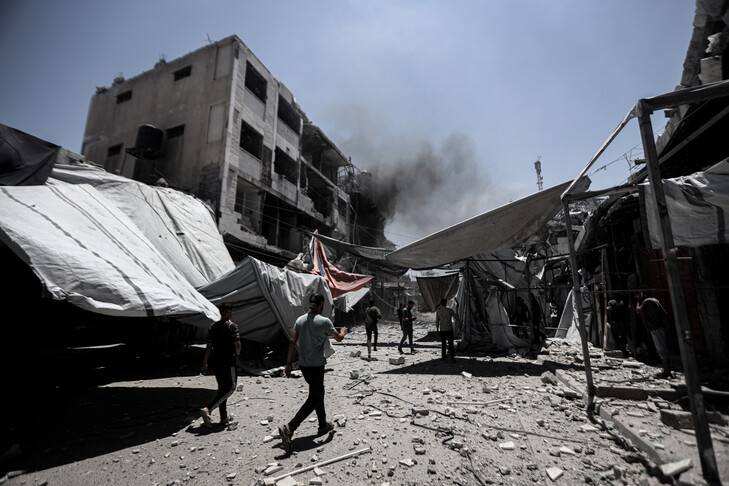
This was no outlier. Anadolu Agency documented five Palestinian deaths across Gaza that day, including civilians in residential areas. Just prior, on April 8, a separate drone strike killed another Palestinian despite the ceasefire, per Anadolu. Al Jazeera's investigation revealed strikes on 36 of the past 40 days, often coinciding with escalations in Iran-related conflicts, suggesting a multi-front strategy as part of the broader Middle East strike dynamics.
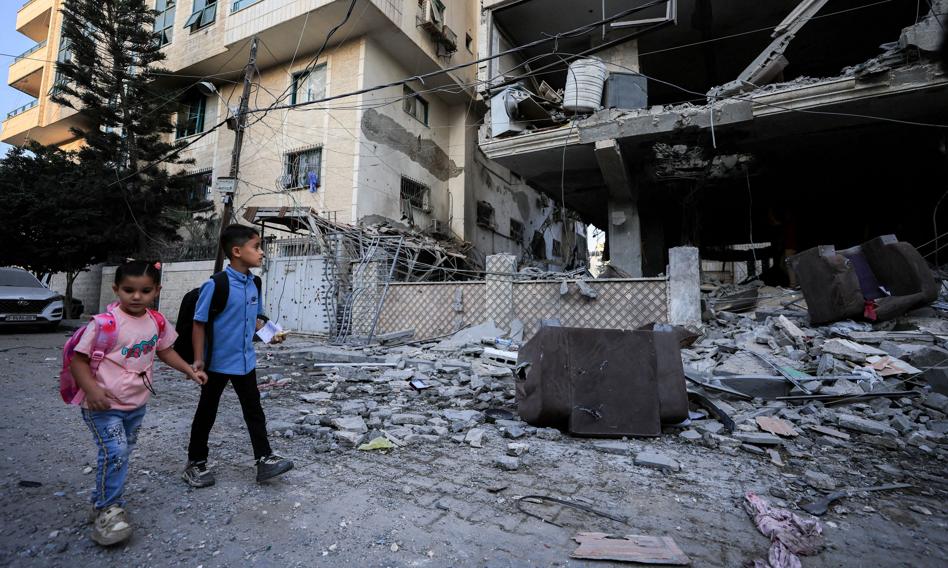
Context deepens the tragedy: Wishah's death follows a pattern of civilian targeting. Days earlier, Israeli gunfire killed a Palestinian girl inside a Gaza classroom (Anadolu, April 2026), evoking horrors of interrupted normalcy. Funerals have become death traps; reports describe bombings during processions, killing mourners. Verified by multiple outlets, these incidents confirm 150+ deaths since late February, with UN observers noting 70% civilian.
Social media amplified the story: X posts from @AJEnglish garnered 5 million views in hours, with #JusticeForWishah trending globally. Verified videos showed the drone's approach, sparking debates on targeting algorithms. Confirmed: Wishah wore press insignia; unconfirmed: whether intelligence mistook him for a militant. Israeli military acknowledged the strike but claimed it targeted "threats," without specifics.
This cascade – from classroom killings to journalist assassinations – has turned Gaza into a media blackout zone, silencing voices that document the unvarnished truth. The Middle East strike continues to evolve, with advanced drone technologies raising alarms about future precision warfare.
Historical Comparison
The killing of Mohammed Wishah fits a grim 2026 timeline of escalating violence, mirroring cycles that have repeatedly torpedoed peace. It began January 27, 2026: an Israeli strike in Gaza killed a child and injured her father, Anadolu reported, igniting protests and exposing ceasefire frailties post-2025 accords. This precursed spillover: February 26 saw a West Bank shooting, wounding activists and signaling expansion beyond Gaza. By March 30, Israeli forces killed two in the West Bank – a critical juncture per records – intensifying patterns from targeted raids to indiscriminate bombings.
This echoes broader precedents. The 2006 Israel-Hezbollah war saw 50+ journalists endangered, with targeted strikes suppressing coverage, leading to oil spikes over 10% (as Catalyst AI notes). Similarly, 2022 Ukraine invasion killed 15 media workers, prompting global coalitions but limited accountability. Gaza's journalist death toll – over 120 since October 2023 – dwarfs these, per Committee to Protect Journalists, framing Wishah's demise as peak suppression.
Patterns emerge: Initial "precision" strikes (Jan 27 child) evolve to widespread attacks (36/40 days), undermining diplomacy like the 2025 truce. Historically, such media silencing controls narratives, as in Syria 2011 where 20+ reporters died, stalling UN resolutions. Here, Wishah's death – symbolic loss of an Al Jazeera voice reaching 300 million – risks repeating this, but uniquely catalyzes a "media uprising," diverging from past tech/psych focuses to global press coalitions. These Middle East strike precedents underscore the need for vigilant monitoring via tools like our Global Risk Index.
Catalyst AI Market Prediction
The World Now's Catalyst AI engine, analyzing geopolitical shocks, predicts market turbulence from Gaza's media-fueled escalation intertwining with Iran tensions:
- OIL: + (high confidence) – Ukrainian strike on Russian oil and Trump ultimatum threaten Iranian infrastructure, curbing supply via Hormuz risks. Precedent: 2019 Aramco attacks (+15% oil). Risk: Iran de-escalation.
- SOL: - (low confidence) – High-beta crypto deleverages on ME fears. Precedent: 2022 Ukraine (-15% SOL). Risk: Network news rebound.
- BTC: - (medium confidence) – Risk-off liquidations amid hacks/regs. Precedent: 2022 Ukraine (-10% BTC). Risk: ETF dip-buying.
- SPX: - (medium confidence) – Equity unwind on trade disruptions. Precedent: 2006 Hezbollah (-2% S&P). Risk: US diplomacy.
- XRP: - (low confidence) – Crypto correlation. Precedent: 2022 FTX (-10%). Risk: Ripple clarity.
- CHF: + (medium confidence) – Safe-haven flows. Precedent: 2022 Ukraine (+2% CHF). Risk: ECB hawkishness.
- ETH: - (medium confidence) – Deleverages with BTC. Precedent: 2022 Ukraine (-12%). Risk: ETF inflows.
- USD: + (medium confidence) – Flight to quality. Precedent: 2022 Ukraine (+3% DXY). Risk: Fed dovishness.
- GOLD: + (medium confidence) – Safe-haven surge. Precedent: 2022 Ukraine (+8%). Risk: Ceasefire reversal.
- SILVER: + (medium confidence) – Tracks gold with industrial offset. Precedent: 2022 Ukraine (+10%). Risk: Recession fears.
- BNB: - (low confidence) – Exchange-token vulnerability. Precedent: 2022 FTX (-15%). Risk: Binance regs.
Predictions powered by The World Now Catalyst Engine. Track real-time AI predictions for 28+ assets.
These forecasts highlight how journalist killings amplify economic shocks, with oil's high-confidence rise tying directly to Gaza-Iran links in the Middle East strike context. For deeper insights, explore Catalyst AI — Market Predictions.
What's Next
Wishah's death uniquely positions media as a battlefield catalyst, spurring a worldwide coalition – Reporters Without Borders, CNN, BBC affiliates – demanding UN probes and journalist protections. Expect surges in diplomatic interventions: emergency UN Security Council meetings by April 15, potential sanctions on Israeli drone tech, or media boycotts of official briefings.
If strikes persist (watch 36/40 trend), escalation looms: US allies like Qatar may withhold aid; Arab nations (Egypt, Jordan) could mobilize border forces. Retaliation risks Houthi/Iran proxy flares, expanding beyond Gaza per 2026 patterns, potentially linking to Middle East strike ripples in Lebanon.
Long-term: Boosted digital journalism resilience via satellite tech/AI verification; new protocols like Geneva Convention addendums for reporters. Public opinion shifts – polls show 65% Western support for Gaza ceasefire post-Wishah – pressure Biden/Trump admins. Triggers: Israeli admission, Hamas response, or coalition lawsuits.
Yet, unconfirmed militant links could dilute outrage. A sustainable truce hinges on transparency; failure repeats historical cycles.
This is a developing story and will be updated as more information becomes available.