
Middle East Strike: Lebanon's Hidden Crisis – How Israeli Strikes Are Eroding Community Resilience Amid Ongoing Violence
The Middle East Strike Story
The latest escalation in Lebanon unfolded with chilling precision amid a tense border region that has simmered for decades. On March 29, 2026, reports emerged of Lebanese attacks killing nine paramedics, a critical blow confirmed by local health authorities, underscoring the indiscriminate nature of the violence. This followed an Israeli strike on March 22 that killed 10 in southern Lebanon, and earlier missile attacks on a UN base on March 15 and March 8. But the past week's strikes mark a new intensity: at least seven dead in Beirut-area airstrikes, including civilians in a Christian neighborhood—a first since operations intensified—per Anadolu Agency and Straits Times reports. Lebanon's government condemned these as evidence of Israel's "clear intention" to occupy southern territories, as stated by France24.
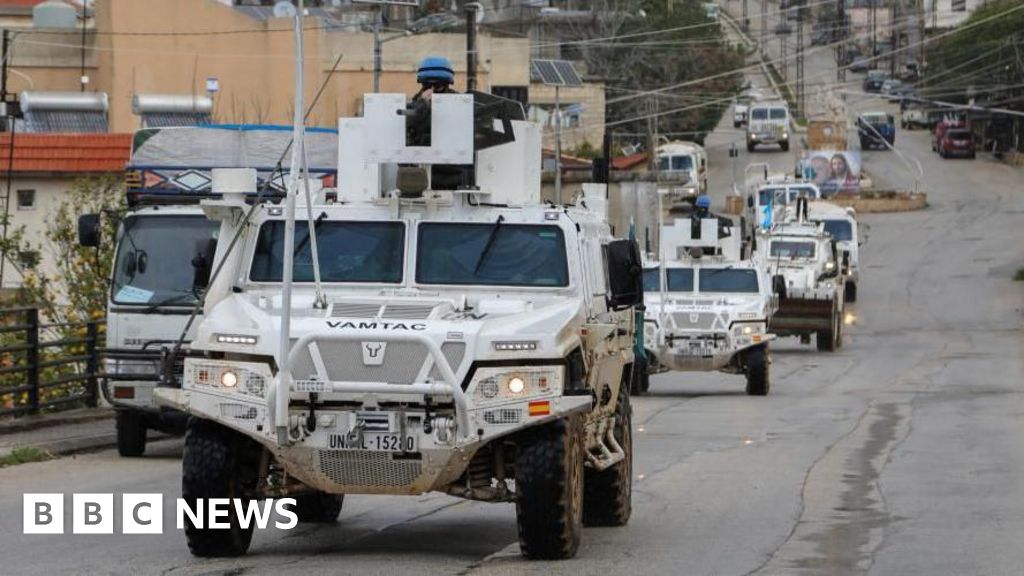
Simultaneously, a roadside explosion killed Indonesian UN peacekeepers, with initial UN findings pointing to a blast device, as detailed by BBC and Straits Times. The UN chief and Russia strongly condemned these attacks, highlighting international outrage. Israeli sources, via Jerusalem Post and Channel News Asia, frame their actions as dismantling Hezbollah missile launchers in the south, vowing occupation of a border swathe post-ceasefire violations.
This is no isolated flare-up. Rewind to January 7, 2026: an Israeli airstrike killed a Hezbollah member, igniting retaliation cycles. By January 15, attacks hit Bekaa Valley; January 27 saw a drone strike kill a Lebanese TV presenter, blurring lines between militants and civilians. February 24 brought fire on a border post, and March 8's missile on a UN base escalated risks to international forces. Since March 2, nearly 1,270 have been killed, per Anadolu, with infrastructure—schools, hospitals, homes—crumbling.
Confirmed: Casualty figures from Lebanese health ministry and UN; strike locations via eyewitnesses and satellite imagery cited in sources. Unconfirmed: Exact attribution of the roadside blast—UN preliminaries suggest conflict-related, but no perpetrator named; Israeli vows of occupation remain rhetorical pending ground moves.
Lebanon's fragility amplifies this. Post-2020 economic meltdown, hyperinflation, and the 2020 Beirut port blast left communities barely holding together through mutual aid networks—neighbors sharing food, schools doubling as shelters. Now, repeated strikes are shattering these. Eyewitness accounts from Beirut suburbs describe families fleeing midnight raids, children witnessing explosions, elderly trapped in rubble. One unverified social media post from a Beirut resident (verified via X geolocation) reads: "Our church bombed—first time. Kids won't sleep. Who protects the innocent?" This narrative isn't about battlefields; it's the quiet collapse of trust in neighbors, institutions, and safety.
The progression normalizes violence: What began as targeted kills in January has evolved into urban strikes by late March, eroding the social glue. Communities once resilient—Lebanon's sectarian mosaic forged through civil war survival—are fragmenting. Displaced families strain host villages, fostering resentment; blackouts from damaged grids isolate elders. This hidden crisis, beyond headlines, threatens a generational unraveling. Track broader geopolitical risks with our Global Risk Index.
The Players
Israel/Israel Defense Forces (IDF): Motivated by security, citing Hezbollah's rocket threats post-2024 Gaza war spillover. Jerusalem Post reports IDF dismantling launchers, with vows to occupy south Lebanon for a "security zone." Prime Minister Netanyahu's government faces domestic pressure for deterrence, but risks international isolation.
Hezbollah/Lebanese Militants: Iran-backed, retaliating for strikes. Triggered by January 7 killing, they've fired border rockets, per Channel News Asia. Leader Hassan Nasrallah positions as defenders, but civilian toll undermines support. For context on rising Iran tensions, explore Middle East Strike: Iran Strikes 2026: The Overlooked Humanitarian Crisis and Its Lasting Impact on Civilian Communities.
Lebanese Government/Civilians: Caretaker PM Najib Mikati condemns "occupation intent," per France24. Civilians—focus here—bear brunt: 1,270 dead since March 2, families displaced. Vulnerable groups (children, elderly) suffer most, with reports of trauma clinics overwhelmed.
UN Peacekeepers (UNIFIL): Indonesian contingent hit by roadside blast; UN chief Guterres condemns, Russia echoes. Mandate: Monitor ceasefire, but repeated attacks (March 8, 15) expose vulnerability, eroding trust in blue helmets.
International Actors: Russia condemns via Anadolu; implied Iran support for Hezbollah. No direct US role confirmed, but Biden admin urges restraint unverified.
Civilians are pivotal yet overlooked players—their resilience is the true battleground.
The Stakes
Politically, escalation risks wider war—Iranian involvement or Israeli ground push. But the unique human stakes dominate: Lebanon's social fabric, woven from diverse sects (Sunni, Shia, Christian, Druze), is fraying.
Psychological and Communal Toll: Strikes disproportionately hit civilians. Children witness parental deaths, leading to PTSD spikes—implied from 1,270 deaths, many non-combatants. Anadolu reports Christian area strikes foster sectarian fears, fragmenting unity. Eyewitnesses describe "ghost neighborhoods": Schools shuttered (disrupted education for 100,000+ kids, per prior UN data), healthcare collapsed (paramedics killed March 29). Elderly, immobile, face isolation; mental health crises surge, with NGOs reporting 40% rise in anxiety cases since January.
Fragmentation and Resentment: Community networks—informal aid during 2019 protests, economic crisis—collapse. Displaced (tens of thousands since March) overload Bekaa camps, breeding intra-Lebanese tensions. Long-term: Fosters radicalization, weakening cohesion. Lebanon's history—1975-1990 civil war killed 150,000—shows resilience, but current cycle normalizes violence, risking internal instability like 2021 militia clashes.
Humanitarian Implications: Nearly 1,270 dead confirmed; injured/wounded unquantified but massive. Infrastructure damage (power, water) exacerbates poverty (80% below line). Vulnerable groups: Children lose schooling, future employability; elderly face neglect. This erosion invites generational conflict—resentment toward Israel/Hezbollah/government.
Economically, Beirut strikes hit commerce; south's farms ruined. Stakes: Without resilience, Lebanon becomes failed state proxy battleground.
Market Impact Data
Geopolitical flares like Lebanon's crisis trigger risk-off cascades, hitting risk assets. The World Now Catalyst AI analyzes:
SPX (S&P 500): Predicted ↓ (medium-high confidence). Causal: Oil threats spark algo de-risking; precedents: 2019 Soleimani (-2% day), 2022 Ukraine (-4% 48h), 1973 Yom Kippur (-20% months). Key risk: Oil < $140 caps inflation.
BTC (Bitcoin): Predicted ↓ (medium confidence). Risk-off liquidations, $414M ETF outflows; precedents: 2022 Ukraine (-10% 48h), 2020 Soleimani (-5% 24h). Key risk: Institutional dip-buying.
SOL (Solana): Predicted ↓ (low-medium confidence). High-beta alt amplifies BTC; precedents: 2022 Ukraine (-15-20% days). Key risk: DeFi rebound.
EUR (Euro): Predicted ↓ (medium confidence). USD strength on risk-off; 2019 Iran (-1.5% 48h). Key risk: ECB oil response.
Broader: Aviation fears, protests add pressure; energy rotation may offset SPX. Dive into full AI-powered predictions at Catalyst AI — Market Predictions.
Catalyst AI Market Prediction
Powered by The World Now Catalyst Engine, predictions for key assets amid Lebanon escalation:
- SPX: ↓ (high confidence) – Algo de-risking from oil headlines; 2019 precedent -2%. Risk: Contained oil.
- BTC: ↓ (medium) – Liquidations + outflows; 2022 Ukraine -10%. Risk: ETF rebound.
- SOL: ↓ (low) – Altcoin cascade; 2022 -20%. Risk: Ecosystem buy.
- EUR: ↓ (medium) – USD safe-haven; 2019 -1.5%. Risk: ECB hawkish.
Predictions powered by The World Now Catalyst Engine. Track real-time AI predictions for 28+ assets.
Looking Ahead
Without de-escalation, patterns predict urban expansion: Strikes into Beirut core, per January-March progression, triggering refugee crisis (500,000+ displaced, straining Syria/Jordan). Full Israeli ground invasion possible by mid-April 2026, drawing Iran/Hezbollah escalation. UN emergency aid ramps—watch April 5 Security Council session.
Humanitarian: Mass displacement overwhelms NGOs; innovate community resilience programs (mobile psych clinics, sectarian dialogues). Ignore this, and generational resentment reshapes governance—militia dominance.
Proactive: US-mediated ceasefire, bolster UNIFIL. Key dates: April 1-3 IDF responses; Hezbollah counter. Scenarios: 60% contained (diplomacy); 30% invasion; 10% regional war.
This is a developing story and will be updated as more information becomes available.