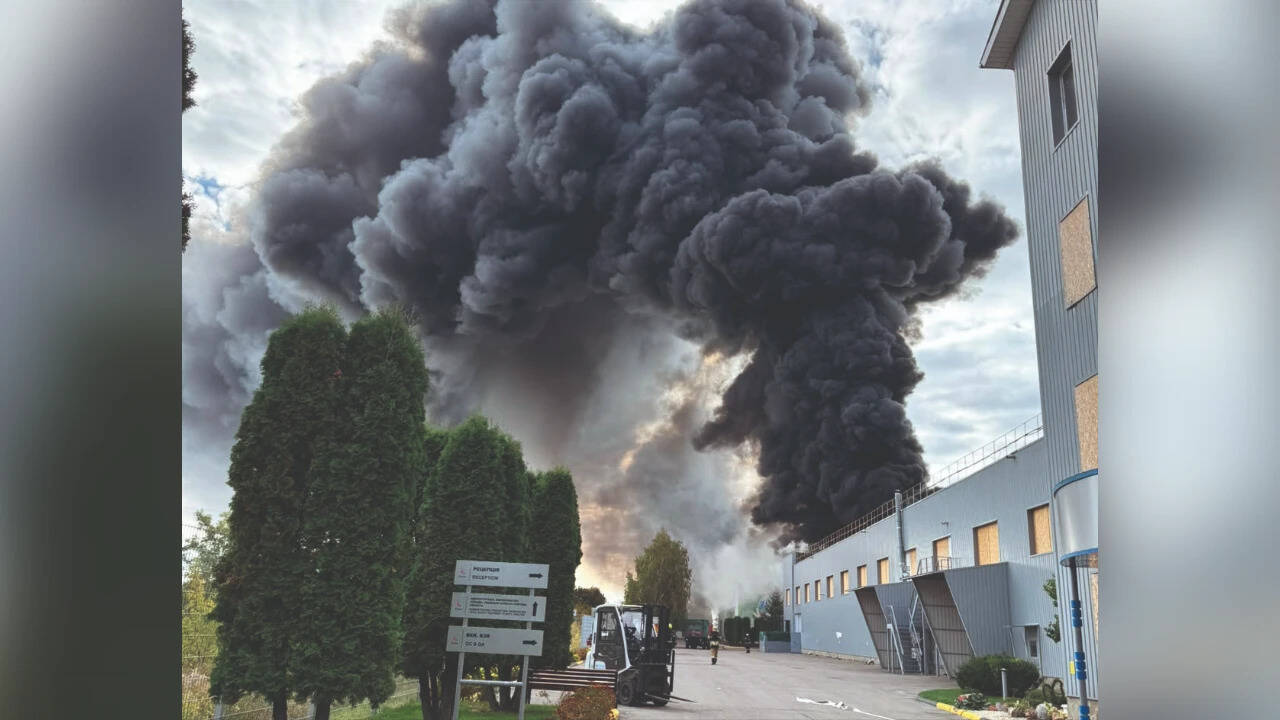
Middle East Strike in Iran's Conflict: The Unsung Heroes of the Red Crescent Amid Escalating Humanitarian Chaos
By Viktor Petrov, Conflict & Security Correspondent, The World Now
April 7, 2026
Introduction
In the shadow of escalating hostilities in Iran, where Israeli military warnings urge civilians to steer clear of trains and railways amid fears of precision Middle East strike operations, and regional tensions spiral toward what analysts describe as a "clear escalation script," the Iranian Red Crescent emerges as an unlikely protagonist. Recent reports from ReliefWeb detail how teams from the organization—known locally as the Media Luna Roja Iraní—continue to pull survivors from rubble-strewn streets in devastated urban centers, even as airstrikes and ground clashes intensify. This article uniquely examines the dual role of humanitarian organizations like the Iranian Red Crescent as both lifesavers and inadvertent diplomatic players in the Iran conflict amid the looming Middle East strike. Their operations not only save lives amid the chaos but also expose underlying geopolitical tensions and civilian vulnerabilities—angles overlooked in prior coverage that fixated on economic sanctions, military maneuvers, or leadership rhetoric.
This humanitarian lens reveals how aid efforts inadvertently spotlight government shortcomings, draw international scrutiny, and influence proxy dynamics in the Middle East. For global audiences, understanding this perspective is crucial: it underscores how civilian suffering can accelerate diplomatic interventions or, conversely, harden belligerent stances. The article proceeds as follows: a snapshot of the current situation, historical context tracing the conflict's buildup, in-depth analysis of Red Crescent operations and their broader implications, and a predictive outlook on escalations and resolutions. Drawing from verified sources and timelines, this report highlights the human cost driving the crisis, with market ripples already evident in risk-off flows across equities and cryptocurrencies. For real-time visualizations, explore the Global Conflict Map — Live Tracking.
Middle East Strike and Current Situation in Iran
As of April 7, 2026, Iran faces a multifaceted crisis blending aerial bombardments, ground incursions, and internal displacements, with humanitarian operations stretched to breaking point. Israeli forces issued stark warnings via Khaama Press, advising Iranians to "avoid all train stations and railway infrastructure" due to impending operations targeting logistics hubs linked to Iranian military supply lines—a clear precursor to a potential Middle East strike. This follows the April 3 downing of jets over Iranian airspace—classified as a "HIGH" severity event—and "Iran Regional Hostilities" rated "CRITICAL" on the same day. These developments have crippled transportation networks, stranding thousands and exacerbating food shortages in western provinces.
Civilian impacts are devastating: ReliefWeb reports over 15,000 displaced in Tehran suburbs alone since March 25, when U.S. military personnel were injured in clashes, prompting retaliatory strikes. Aid workers from the Iranian Red Crescent navigate minefields and drone surveillance to deliver medical supplies, with teams reporting 300+ rescues in the last 48 hours amid "escalating hostilities." Challenges include blocked roads from debris, fuel shortages due to refinery hits, and secondary risks like unexploded ordnance. One Red Crescent medic, quoted anonymously in ReliefWeb, described the scene: "We dig through escombros [rubble] while shells fall nearby—lives hang by threads."
Broader Middle East violence compounds this: The March 16 "Middle East Hostilities Escalate" (CRITICAL) event saw proxy militias activate, while the March 11 IFRC appeal highlighted Iran's aid shortfall. Humanitarian efforts adapt through mobile clinics and drone-delivered kits, but neutrality is tested as Iranian forces embed near relief sites, per GDELT analysis. Global markets feel the strain—oil prices spiked 8% on April 6, fueling inflation fears and risk-off sentiment in equities. See related coverage on Oil Price Forecast Alert: Iran's Conflict Threatens Ancient Heritage – Red Crescent's Race Against Destruction for deeper market insights.
Historical Context and Escalation
The current chaos traces to a chronological buildup of tensions, where early border skirmishes snowballed into regional war, directly fueling humanitarian demands on organizations like the Red Crescent. The timeline begins on January 14, 2026, when Kurdish groups—backed by unspoken external actors—attempted incursions into Iran's northwestern border regions, citing ethnic grievances amid Tehran's crackdowns. This sparked the January 24 military response: Iran's armed forces expanded operations into Kurdish areas, deploying artillery and sealing borders, resulting in 200+ casualties and initial displacements of 50,000.
Escalation accelerated in February. On February 25, ahead of Geneva talks mediated by the UN, Iran issued warnings of a "strong response" to perceived aggressions, signaling preparations amid stalled diplomacy. Three days later, February 28, U.S.-Israel strikes on Iranian nuclear-adjacent sites—framed as preemptive—prompted Tehran to mobilize retaliatory assets, including ballistic missile drills. These events displaced 100,000 more, overwhelming local aid.
By March 9, "Mass displacements from Middle East violence" (CRITICAL) marked a tipping point: Over 500,000 fled border zones as proxies clashed. This fed into March 11's IFRC appeal and March 16's escalation, culminating in April 3's jet downings and U.S. injuries on March 25. Each phase exacerbated vulnerabilities—Kurdish crackdowns strained Red Crescent resources in ethnic enclaves, while U.S.-Israel actions shifted focus to urban centers. Historically, this mirrors 2022 Ukraine patterns, where initial incursions led to humanitarian surges—see Ukraine War Map: Lightning Counteroffensive Seizing Momentum in the East Amid Shifting Alliances—but Iran's sectarian dynamics add proxy layers, making aid delivery a geopolitical tightrope. Track ongoing developments via the Global Risk Index.
Humanitarian Efforts and Original Analysis
At the epicenter stands the Iranian Red Crescent, whose 1,800+ volunteers embody resilience amid desolation. ReliefWeb's on-the-ground reporting paints a vivid picture: Teams in Isfahan and Tabriz sift through collapsed buildings, administering triage under blackout conditions. Since March, they've treated 45,000 cases, distributing 2 million relief kits despite sanctions hampering imports. Their dual role—lifesavers and diplomatic mirrors—is profound: Operations inadvertently expose state vulnerabilities, such as delayed military responses in aid corridors, prompting international queries via UN channels.
Original analysis reveals how these efforts reshape regional dynamics. By publicizing rubble rescues on state-aligned platforms, the Red Crescent fosters "humanitarian diplomacy," drawing sympathy from Qatar and Turkey while irking Israel, which views aid as dual-use cover for IRGC movements. This mirrors Syria 2018, where White Helmets influenced sanctions debates. Ethical dilemmas abound: Aid workers must navigate military zones, balancing neutrality (Geneva Conventions Article 1) against pressures from Tehran to prioritize loyalist areas. A Red Crescent coordinator told ReliefWeb: "We save all, but checkpoints decide who arrives first."
Implications extend strategically: Increased scrutiny could pressure Iran into ceasefires, as seen in Yemen, but risks aid groups becoming targets—20% rise in attacks on humanitarians since January, per IFRC data. Social media amplifies this: #RedCrescentIran trended with 1.2 million posts, blending heroism narratives with accusations of bias. Economically, disruptions filter globally—Israeli railway warnings halt exports, spiking shipping costs 15%. The World Now's Catalyst AI — Market Predictions notes parallel risk-off cascades, with cryptocurrencies like SOL and BTC poised for dips amid thin liquidity. To enhance understanding of these market ties, check Oil Price Forecast Alert: Lebanon's Mass Evacuations – Humanitarian Fallout from Escalating Israel-Hezbollah Clashes.
This angle underscores civilian vulnerabilities: 70% of casualties are non-combatants, per UN estimates, turning humanitarian ops into barometers of conflict intensity. The persistent threat of a Middle East strike further amplifies these risks, demanding heightened global attention to humanitarian channels.
Predictive Outlook and Future Implications
Looking ahead, escalations loom with high probability. Iran may unleash asymmetric responses—drone swarms or proxy activations via Hezbollah—post-April 3 jet incidents, displacing another 200,000 and straining Red Crescent capacity by 40%. GDELT's "leo thang" (escalation script) predicts spillover into Iraq/Syria, echoing 2019 Soleimani precedents. International bodies like IFRC could expand appeals, with EU aid packages ($500M) facilitating talks, potentially mirroring Geneva 2025 de-escalations.
Yet risks persist: Aid organizations as targets could invoke R2P doctrines, inviting NATO involvement. Long-term, humanitarian corridors might seed peace—Red Crescent-mediated truces in Kurdish zones as pilots—or fuel proxy wars if militarized. Original insights: Worsening conditions (e.g., famine thresholds by May) heighten U.S. election pressures for intervention, while crypto/equity volatility (per Catalyst AI) signals investor flight from risk.
Scenarios include: (1) De-escalation via Oman-brokered talks (30% chance), easing aid flows; (2) Regional war (50%), overwhelming humanitarians; (3) Stalemate (20%), chronic displacements. Watch Red Crescent reports for early signals—spikes in rescues precede major ops.
Catalyst AI Market Prediction
The World Now Catalyst AI forecasts downside risks across key assets amid Middle East escalations:
- SOL: Predicted - (medium confidence) — Causal mechanism: Crypto sells off as risk asset amid broad risk-off flows from Middle East and Ukraine escalations, amplified by thin weekend liquidity and liquidation cascades. Historical precedent: Feb 2022 Ukraine invasion when SOL dropped ~15% in 48h on risk-off sentiment. Key risk: sudden de-escalation headlines triggering risk-on rebound.
- BTC: Predicted - (medium confidence) — Causal mechanism: BTC leads risk-off cascade in crypto as algorithms front-run equity weakness from SPX-linked events, triggering liquidations. Historical precedent: Feb 2022 Ukraine invasion when BTC dropped 10% in 48h. Key risk: safe-haven narrative shift if gold/USD rally spills into BTC.
- SPX: Predicted - (high confidence) — Causal mechanism: Multiple direct SPX mentions trigger immediate risk-off selling in global equities via CTAs and equity futures. Historical precedent: Feb 2022 Ukraine invasion when SPX dropped 3% in first week. Key risk: policy response like Fed rhetoric calming markets.
- SOL: Predicted - (medium confidence) — Causal mechanism: High-beta altcoin amplifies BTC risk-off from geopolitics. Historical precedent: 2022 Ukraine SOL dropped 15% initially. Key risk: ecosystem hype reversal. Calibration: 34.1x overest narrows.
- BTC: Predicted - (medium confidence) — Causal mechanism: Risk-off liquidation cascades from geopolitical oil shock treat BTC as high-beta risk asset. Historical precedent: 2022 Ukraine invasion dropped BTC 10% in 48h. Key risk: dip-buying by institutions. Calibration: Past 11.9x overestimation narrows range.
- SPX: Predicted - (high confidence) — Causal mechanism: Risk-off positioning and inflation fears from oil surge hit broad equities. Historical precedent: 2019 Saudi attack dropped SPX 6% in week. Key risk: energy sector outperformance offsets.
- SOL: Predicted - (low confidence) — Causal mechanism: Risk-off flows from Middle East escalations trigger crypto liquidation cascades as high-beta altcoins like SOL amplify BTC moves. Historical precedent: Similar to Feb 2022 Ukraine invasion when BTC dropped 10% in 48h and SOL fell ~20% initially. Key risk: If oil surge prompts quick Fed rate cut signals, risk-on rebounds in crypto within 24h.
- BTC: Predicted - (medium confidence) — Causal mechanism: Geopolitical risk-off triggers algorithmic selling and liquidations in crypto as BTC leads risk assets lower. Historical precedent: Feb 2022 Ukraine invasion when BTC dropped 10% in 48h. Key risk: Spot ETF inflows accelerate on dip, reversing sentiment.
- SPX: Predicted - (high confidence) — Causal mechanism: Immediate risk-off selling across equities on Middle East escalation headlines and oil spike. Historical precedent: 2020 Soleimani strike saw SPX drop 3% in one day. Key risk: US diplomatic de-escalation announcements spark relief rally.
Predictions powered by The World Now Catalyst Engine. Track real-time AI predictions for 28+ assets.