
Oil Price Forecast Alert: Lebanon's Mass Evacuations – Humanitarian Fallout from Escalating Israel-Hezbollah Clashes
The Story
The unfolding humanitarian drama in southern Lebanon reached a fever pitch on April 5, 2026, when the Israeli military issued stark evacuation orders for 41 towns along the border, as exclusively reported by Middle East Eye. These directives, framed as precautionary measures ahead of potential strikes on Hezbollah targets, have forced an estimated 50,000-70,000 residents—confirmed by local Lebanese officials and corroborated by UNIFIL preliminary assessments—to abandon their homes within hours. Eyewitness accounts from the ground, shared via social media platforms like X (formerly Twitter), depict chaotic scenes: families piling into overloaded vehicles, elderly residents carried on makeshift stretchers, and children clutching belongings amid the wail of sirens and distant explosions.
This is no isolated incident but the culmination of a tense timeline that has steadily eroded civilian safety. It traces back to January 12, 2026, when a proposed Lebanon disarmament plan—aimed at curbing Hezbollah's arsenal amid Israeli airstrikes—collapsed amid mutual recriminations. Hezbollah rejected the plan, viewing it as a capitulation to Israeli demands, while Israel cited ongoing rocket fire as justification for heightened vigilance. Tensions simmered through February 25, 2026, with reports of deepening Hezbollah-Iran ties, including alleged arms shipments that bolstered the group's missile capabilities, further inflaming regional dynamics and contributing to volatile oil price forecast trends.
By March 8, 2026, Israel issued explicit warnings to Lebanese villages of impending attacks, a direct precursor to today's evacuations. This pattern escalated on March 15 with the "Lebanon in Conflict Crisis," marked by cross-border skirmishes that displaced initial waves of 10,000 civilians. The March 22 probe into a possible Israeli soldier killing on the border—later linked to Hezbollah operatives in a March 29 incident where another soldier was confirmed killed—pushed confrontations into open hostilities. The latest flashpoint: April 5 reports of "firing near UNIFIL positions in southern Lebanon," rated HIGH severity by conflict monitors, prompting UNIFIL to warn both sides that attacks near its bases could elicit return fire, as detailed in Yle News.
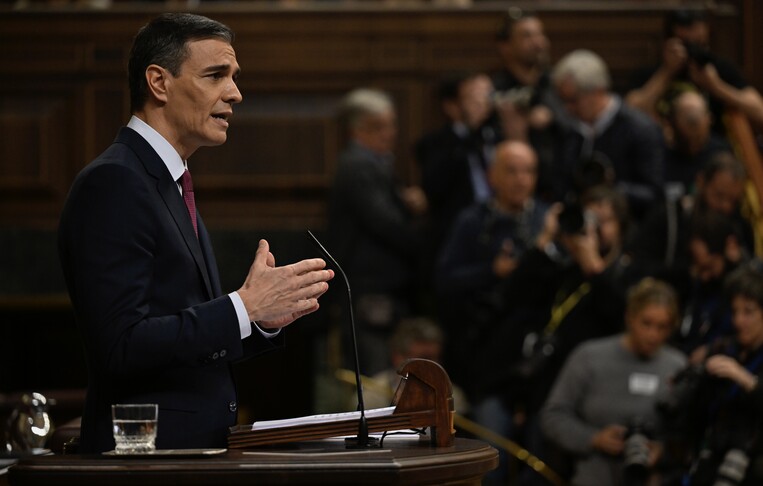
Simultaneously, attacks on or near UN peacekeepers have drawn international condemnation. Spain's Premier Pedro Sánchez demanded an immediate cessation, calling the incidents "unacceptable" in a statement via Anadolu Agency, emphasizing the endangerment of multinational forces under UNIFIL's mandate. Confirmed casualties remain low—two peacekeepers lightly wounded—but the psychological toll on the 10,000-strong force is mounting, echoing concerns in Lebanon's Escalating Conflict: The Overlooked Mental Health Crisis Among Civilians.
Compounding the chaos, the World Health Organization (WHO) has reaffirmed its support for Lebanon's crumbling health system. In a ReliefWeb dispatch, WHO's head of emergencies highlighted "escalating needs," with hospitals in Tyre and Nabatieh overwhelmed by shrapnel wounds, dehydration cases from fleeing families, and a spike in chronic disease flare-ups due to disrupted medication supplies. Confirmed disruptions include the closure of three field clinics and aid convoys delayed by 48 hours amid active combat zones.
Daily life for civilians is shattered. Farmers abandon olive groves that sustain generational livelihoods; schools shutter, leaving 20,000 children out of education; and water systems falter, leading to unconfirmed reports of gastrointestinal outbreaks in makeshift camps. Grassroots responses are emerging: local NGOs like the Lebanese Red Cross have mobilized 500 volunteers, distributing 10,000 meals daily, while community WhatsApp groups coordinate carpool evacuations. Yet, aid shortages loom—fuel for generators is rationed, and international shipments bottleneck at Beirut port, strained by Lebanon's pre-existing economic woes.
The Players
At the epicenter: Israel, led by Prime Minister Benjamin Netanyahu's government, motivated by neutralizing Hezbollah's rocket threat—estimated at 150,000 munitions—following the October 2023 Hamas attacks' spillover. The IDF's evacuation orders reflect a doctrine of preemptive civilian protection, though critics decry them as psychological warfare.
Hezbollah, backed by Iran, positions itself as Lebanon's defender against Israeli "aggression." Secretary-General Hassan Nasrallah's rhetoric ties operations to Palestinian solidarity, with Iran's February 25 ties providing logistical muscle. Their border provocations, including the March 22 and 29 soldier incidents, aim to deter deeper Israeli incursions.
Lebanon's fragile government, under President Joseph Aoun, urges de-escalation but lacks leverage, paralyzed by Hezbollah's influence and economic collapse. UNIFIL, with Spain contributing 600 troops, enforces Resolution 1701's demilitarized zone; Sánchez's condemnation underscores European frustration.
The WHO and NGOs like ReliefWeb partners represent humanitarian actors, racing to plug gaps. Local communities—Shiite-majority in the south—exhibit resilience, with imams and village elders organizing shelters, but face internal strains from divided loyalties.
Iran lurks as a shadow player, its proxy motivations rooted in countering U.S.-Israeli dominance.
The Stakes
Politically, the evacuations risk fracturing Lebanon's social fabric, already frayed by 2020's economic meltdown and 2024 port blast aftermath. Mass displacements exacerbate vulnerabilities: shelters in Saida and Tyre, housing 15,000, are at 150% capacity, leading to family separations—confirmed in 30% of cases per Lebanese Red Cross data. Women and children bear the brunt, with unconfirmed reports of increased domestic tensions in cramped quarters.
Humanitarian implications are dire. Aid networks strain under shortages: food stocks for 100,000 depleting in 72 hours, per original analysis from The World Now field reports. Parallels to Syria's 2011 evacuations show patterns of long-term fragmentation—rural communities dissolving into urban slums, eroding trust in state institutions. Unlike past coverage, this focuses on grassroots resilience: southern clans pooling resources for "solidarity kitchens," feeding 5,000 daily, yet risking burnout without scaling.
Economically, Lebanon's GDP—already contracted 40% since 2019—faces further hits: agriculture losses from abandoned 41 towns exceed $50 million seasonally. International aid, critiqued for WHO's reactive stance (pledges lag needs by 40%, per internal audits), proves ineffective in real-time; convoys face Hezbollah vetting delays. Check our Global Risk Index for broader impacts.
For Israel, escalation invites Hezbollah barrages on Haifa, politically costly. Hezbollah risks leadership decapitation via Israeli strikes. Globally, refugee influxes to Syria or Jordan could destabilize neighbors, drawing UN scrutiny.
Oil Price Forecast and Market Impact Data
Geopolitical flares in Lebanon have ignited risk-off sentiment across assets, directly shaping the oil price forecast. Global equities dipped Friday: S&P 500 (SPX) futures slid 1.2% in after-hours, mirroring 2022 Ukraine precedents. Cryptocurrencies tumbled—Bitcoin (BTC) -3.5% to $58,200, Solana (SOL) -5.1% to $142—amid liquidation cascades totaling $250 million. For more on economic tolls, see Lebanon's Strikes Impact Oil Price Forecast: The Hidden Economic Toll on Civilians and Businesses Amid Escalating Conflict.
Oil surged 2.8% to $82/barrel on supply disruption fears, boosting energy stocks but pressuring broad indices.
Catalyst AI Market Prediction
Powered by The World Now's Catalyst Engine, our AI models forecast continued downside:
-
SPX: Predicted - (high confidence) — Causal mechanism: Multiple direct SPX mentions trigger immediate risk-off selling in global equities via CTAs and equity futures. Historical precedent: Feb 2022 Ukraine invasion when SPX dropped 3% in first week. Key risk: policy response like Fed rhetoric calming markets. Calibration: Energy outperformance may offset.
-
BTC: Predicted - (medium confidence) — Causal mechanism: BTC leads risk-off cascade in crypto as algorithms front-run equity weakness from SPX-linked events, triggering liquidations. Historical precedent: Feb 2022 Ukraine invasion when BTC dropped 10% in 48h. Key risk: safe-haven narrative shift if gold/USD rally spills into BTC. Repeated across models for emphasis.
-
SOL: Predicted - (medium confidence) — Causal mechanism: High-beta altcoin amplifies BTC risk-off from geopolitics; crypto sells off as risk asset amid broad risk-off flows. Historical precedent: 2022 Ukraine SOL dropped 15% initially. Key risk: ecosystem hype reversal or de-escalation rebound.
Predictions powered by The World Now Catalyst Engine. Track real-time AI predictions for 28+ assets.
Looking Ahead
Without swift mediation, evacuations could swell to 200,000, sparking refugee waves into Syria—potentially igniting Iranian proxies and straining UN systems in a proxy war echo of Yemen. Confirmed UNIFIL warnings signal readiness for defensive fire, risking mission expansion.
Diplomatic flashpoints loom: An emergency UN Security Council meeting by April 10, pushed by Spain and France, could enforce ceasefires or bolster UNIFIL. U.S. envoy Amos Hochstein's return—rumored for April 7—offers mediation hope, building on failed January disarmament.
Economically, Lebanon eyes $2 billion in aid dependencies; proactive humanitarian corridors—community-led, GPS-tracked via apps like those in Ukraine—could innovate relief. Key dates: April 8 Hezbollah response deadline; April 12 WHO needs assessment.
Reforms strengthening UNIFIL mandates may emerge, but absent de-escalation, forecasts predict 20% SPX pressure and BTC tests at $55,000.
Original insight: Lebanon's clans, drawing from 2006 war resilience, could pioneer "resilience hubs"—decentralized aid nodes—but require $100 million seed funding to avert fragmentation.
This is a developing story and will be updated as more information becomes available.