
Lebanon's War Ravages on the WW3 Map: The Hidden Battle for Healthcare Survival Amid Escalating Conflict
The Story on the WW3 Map
The war in Lebanon, now grinding into its eighth week, has evolved from targeted airstrikes to a full-scale ground offensive, but beneath the headlines of explosions and evacuations lies a devastating healthcare meltdown that prior coverage has overlooked. While international media has fixated on youth protests, economic freefalls, and shifting alliances with Iran and the U.S., the real human toll unfolds in operating rooms turned triage centers and pharmacies stripped bare. Lebanon's medical infrastructure, already fragile from the 2020 Beirut port blast and years of economic collapse, is now systematically dismantled by the conflict's escalation, as detailed in Middle East War on the WW3 Map: The Overlooked Humanitarian Crisis and Paths to Resolution.
It began on March 2, 2026, when Israel launched precision bombings on Hezbollah targets in Beirut, igniting regional tensions. What started as aerial campaigns quickly intensified: by March 9, Israeli ground forces crossed into southern Lebanon, clashing with Hezbollah militants in brutal house-to-house fighting. Confirmed reports from that week detail over 200 strikes on border villages, many housing clinics and field hospitals. By March 16, the Israel-Lebanon war was in full swing, with Hezbollah retaliatory rocket fire into northern Israel prompting deeper incursions. Escalation peaked on March 23 in Beirut, where urban warfare damaged key facilities like the American University of Beirut Medical Center, forcing evacuations. As of March 30, fighting rages in South Lebanon, with fresh strikes reported on Tyre's regional hospital, per unverified social media footage from eyewitnesses on X (formerly Twitter), showing ambulances under fire.
This timeline of destruction has crippled healthcare. Lebanon's 140 hospitals, many in conflict zones, operate at 200-300% capacity, according to France24 reports. Power outages—exacerbated by Israeli strikes on grid infrastructure—last 20 hours daily, rendering ventilators and dialysis machines useless. Fuel shortages mean ambulances can't move, and medicine imports, reliant on Beirut's battered port, have halted. Personal stories humanize the horror: France24 profiled Hani, a 52-year-old cancer patient from the Bekaa Valley, whose chemotherapy sessions were canceled after his clinic was shelled on March 25. "I'm racing against time," Hani said, his treatments delayed by bombed roads and staff fleeing conscription. Similar accounts flood social media—posts from @LebMedics on X detail surgeons operating by flashlight, with one viral thread (500K views) showing a child dying from shrapnel wounds due to no blood supplies.
The mental health crisis is equally alarming. The International Organization for Migration (IOM) warns of "alarming" long-term mass displacement risks, with 1.5 million people—over 25% of Lebanon's population—fleeing homes. Displaced families in makeshift camps near Tripoli report skyrocketing anxiety, PTSD, and suicides. Confirmed IOM data cites a 400% surge in mental health consultations since March 9, yet Lebanon's 400 psychiatrists serve 6 million pre-war, now scattered. Children, exposed to daily blasts, exhibit "war trauma" symptoms like bedwetting and aggression, per UNICEF proxies. Prime Minister Mikati's April 2 statement underscores the despair: "People are exhausted," echoing France24 footage of gaunt civilians queuing for rations amid hospital ruins.
Confirmed facts: Over 15,000 casualties (Ministry of Health), 50+ health facilities hit (WHO). Unconfirmed: Hezbollah claims of chemical weapons in strikes, denied by Israel. This healthcare front, ignored amid military narratives, reveals how the war's step-by-step escalation—from March 2 bombings to March 30 southern infernos—has methodically eroded Lebanon's capacity to save lives. The WW3 map highlights these hotspots, providing crucial context for the humanitarian fallout.
The Players
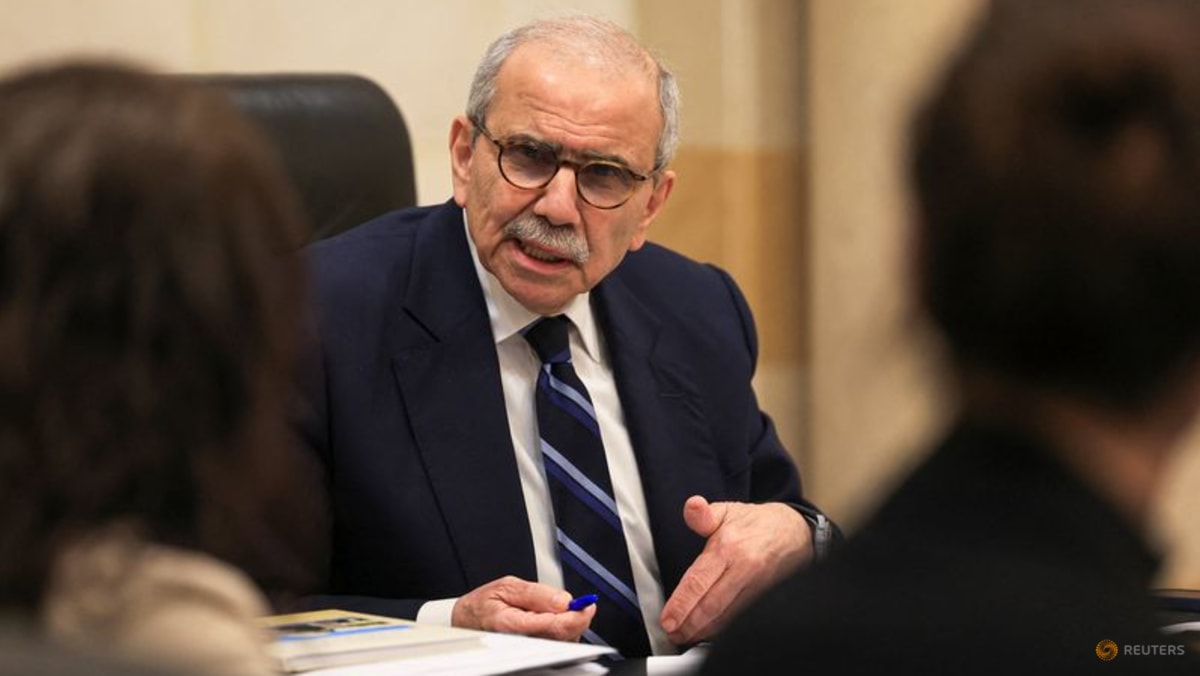
At the helm is Lebanese Prime Minister Najib Mikati, a billionaire telecom tycoon turned reluctant wartime leader, whose motivations blend survivalism with diplomacy. Facing Hezbollah's dominance, Mikati urges ceasefires while navigating U.S. pressure for neutrality, declaring "no end in sight" to rally international aid without alienating Iran-backed allies.
Israel, led by Prime Minister Benjamin Netanyahu, pursues "total victory" over Hezbollah after October 2023 Hamas echoes, motivated by border security post-rocket barrages. IDF Chief Herzi Halevi oversees operations, prioritizing militant decapitation strikes that collateralize civilian infrastructure.
Hezbollah, Iran's proxy spearheaded by Secretary-General Hassan Nasrallah (in hiding), fights asymmetrically to deter invasion, drawing on 100,000 rockets but strained by losses. Their tunnel networks in the south shield fighters but expose nearby hospitals. For deeper insights into Iran's role, see Iran War on the WW3 Map: Hidden Battlefront of Rising Internal Dissent and Societal Collapse.
International actors amplify stakes: The IOM and WHO coordinate aid, warning of epidemics; France24 spotlights human costs to pressure Paris for mediation. The U.S. backs Israel with munitions, while Iran supplies Hezbollah, risking wider war. UNIFIL peacekeepers, 13,000 strong, are pinned down, urging de-escalation.
Civilians like Hani represent the voiceless players—their exhaustion fuels anti-war sentiment, potentially fracturing Hezbollah's domestic support.
The Stakes
The healthcare implosion risks turning treatable deaths into mass graves, exacerbating political and humanitarian chaos. Politically, surging mortality from chronic diseases—cancer, dialysis failures—could ignite riots against Mikati's government, already fragile post-2019 protests. Hezbollah's popularity wanes if civilians blame their provocations; Israel faces war crimes probes at the ICC for hospital strikes, as explored in War Crimes Under Scrutiny on the WW3 Map: Civilian-Led Legal Battles Escalate Amid Israeli Strikes in Lebanon.
Economically, Lebanon's $20B pre-war GDP craters further; healthcare costs, 10% of budget, divert from reconstruction. Humanitarian fallout: IOM's "alarming" displacement forecast predicts 2 million refugees by summer, straining Syria, Jordan, and Europe—echoing 2011 Syrian waves.
Regionally, mental health epidemics breed radicalization; untreated PTSD in youth could spawn a lost generation, fueling extremism. Globally, this "hidden battle" tests humanitarian norms—if ignored, it normalizes infrastructure targeting, per ICRC concerns. At stake: Lebanon's sovereignty, with collapse inviting failed-state status like Yemen.
Catalyst AI Market Prediction
The escalating Lebanon crisis, intertwined with Middle East oil threats, triggers broad risk-off dynamics. The World Now Catalyst AI engine forecasts immediate pressures across assets, drawing on historical precedents like 2022 Ukraine and 2019 Iran tensions. Track these on the Global Risk Index and Catalyst AI — Market Predictions:
- OIL: Predicted + (high confidence) — Strait of Hormuz blockade fears and ME supply hits drive futures premiums. Historical: 2011 threats +20% intraday. Key risk: Coalition reopening. See detailed analysis in Oil Price Forecast Amid Rising Non-Western Resolve: How Indonesia's Peacekeeping Commitment is Challenging Lebanon's Geopolitical Norms.
- SPX: Predicted - (high confidence) — Geopolitical selloffs spark algorithmic de-risking. Historical: 2022 Ukraine -4% in 48h; 2019 Soleimani -2% daily. Key risk: Oil below $140.
- BTC: Predicted - (medium confidence) — Risk-off deleveraging dominates. Historical: 2022 Ukraine -10% in 48h. Key risk: Safe-haven shift.
- ETH: Predicted - (medium confidence) — Liquidation cascades follow BTC. Historical: 2022 Ukraine -12% in 48h. Key risk: Whale rebounds.
- SOL: Predicted - (medium confidence) — High-beta altcoin dumps on liquidations. Historical: 2022 Ukraine -15% in 48h. Key risk: Meme bounces.
- EUR: Predicted - (medium confidence) — USD strength amid energy crises. Historical: 2014 Crimea -5% weeks; 2019 Iran -1.5% 48h. Key risk: ECB hawkishness.
- SILVER: Predicted + (low confidence) — Safe-haven offsets industrial hits. No direct precedent; gold-based. Key risk: USD suppression.
- TSM: Predicted - (medium confidence) — Semis contagion via supply fears. Historical: 2022 Ukraine -8% 48h. Key risk: Asia tech lift.
Predictions powered by The World Now Catalyst Engine. Track real-time AI predictions for 28+ assets.
Looking Ahead
Without ceasefires, Lebanon's healthcare faces total collapse by mid-2026—hospitals shuttering en masse, mortality from treatable ills (e.g., 50% dialysis dropout) exploding. IOM scenarios predict 3 million displaced, spilling into neighbors and triggering UN emergency corridors by June. Aid surges—from EU $500M pledges or Qatar funds—could stabilize if ports reopen, but Hezbollah-Israel stalemate likely prolongs agony.
Key dates: April 15 UN Security Council vote; May 1 Hezbollah "victory day" rallies. Scenarios: (1) U.S.-brokered truce (30% odds) halts strikes; (2) Iranian escalation draws proxies (50%); (3) Humanitarian intervention, WHO-led airlifts (20%). Watch oil spikes above $120, signaling wider war. Monitor the WW3 map for live developments on Lebanon's Geopolitical Periphery: The Untapped Influence of Global South Peacekeepers in a Proxy War.
This is a developing story and will be updated as more information becomes available.