
Lebanon's Geopolitical Periphery: The Untapped Influence of Global South Peacekeepers in a Proxy War
Introduction: Redefining Lebanon's Geopolitical Landscape
In a region long dominated by the shadowboxing of superpowers—where Global Risk Index metrics show persistently high tensions—a quiet revolution is unfolding on the rugged hills and coastal plains of southern Lebanon. Indonesia, the world's most populous Muslim-majority nation, has defied international calls for withdrawal and committed to deploying 756 peacekeepers to the United Nations Interim Force in Lebanon (UNIFIL) as of early 2026. This move, announced amid escalating cross-border skirmishes between Israel and Hezbollah, underscores a pivotal shift: Global South nations are emerging as linchpins in Middle East stability, leveraging their peacekeeping roles to assert influence without the baggage of colonial histories or great-power rivalries. With over 10,000 UNIFIL troops from 50 nations patrolling the volatile 120-kilometer Blue Line border, Global South contingents—comprising around 40% of the force—bring unique perspectives attuned to post-colonial struggles, potentially bridging sectarian divides in Lebanon's multi-confessional society of 18 religious communities.
This article examines the often-overlooked contributions and strategic maneuvers of countries like Indonesia and Ghana in Lebanon's geopolitical arena, moving beyond the familiar Western-Israeli-Hezbollah-Iran axis to highlight emerging international alliances. These non-Western powers are quietly reshaping conflict outcomes through cultural affinity, diplomatic agility, and a commitment to multilateralism that challenges proxy war dynamics. At the intersection of historical grievances—rooted in decades of foreign interventions—and modern alliances forged in the Global South's rising multipolarity, their involvement humanizes the narrative, offering pathways to de-escalation where traditional actors have faltered. Lebanon's fragility, exacerbated by economic collapse since 2019, renewed hostilities following 2024 ceasefire breakdowns, and over 90,000 displacements in 2025-2026 per UN OCHA reports, makes this intervention timely and critical.
This thesis posits that by prioritizing dialogue over dominance, these peacekeepers could tip the scales toward sustainable peace, altering the proxy war's trajectory and influencing broader regional stability efforts tied to UN Security Council Resolution 1701.
Historical Roots of External Influence
Lebanon's entanglement in external powers dates back to its 1943 independence, but the 2026 timeline reveals a stark escalation, transforming domestic disarmament efforts into a global contest. On January 9, 2026, the Lebanese Military Disarmament Plan was updated, aiming to integrate non-state actors like Hezbollah into national forces—a nod to Resolution 1701's 2006 mandate for a demilitarized south. Yet, just a week later, on January 16, UN reports documented Israeli violations, including airstrikes that killed three civilians, underscoring the plan's fragility and contributing to the economic devastation detailed in analyses like Beneath the Bombs: Israeli Strikes' Overlooked Economic Devastation on Lebanon's Southern Agriculture Amid WW3 Map Tensions.
This pattern echoed earlier frictions. On January 28, a prominent Lebanese MP publicly criticized Hezbollah's deepening ties to Iran, framing them as a sovereignty threat amid Tehran's regional adventurism. By February 26, Hezbollah issued statements on US-Iran tensions, positioning itself as a bulwark against "Zionist aggression" while hinting at restraint if disarmament advanced. These domestic fissures catalyzed broader involvement: Ghana, on March 8, urged international condemnation of a deadly attack on Lebanese border villages, signaling African solidarity and highlighting the growing role of Non-Aligned Movement nations in conflict mediation.
Recent events amplified this: March 15 saw Israel-Lebanon ceasefire talks falter over troop withdrawals, while on March 23, Lebanon's Prime Minister publicly backed disarming Hezbollah, a high-stakes pivot amid economic desperation. The March 31 Joint Statement on Lebanon—from global donors—pledged $500 million in aid but tied it to security reforms, illustrating how early 2026 critiques evolved into non-Western engagement. This donor conditionality adds layers to the geopolitical puzzle, pressuring local actors while opening doors for alternative aid from Global South partners.
Historically, this mirrors Cold War proxy battles, where superpowers outsourced conflicts to Lebanon (1982 invasion, 2006 war). UNIFIL, established in 1978, has seen troop contributions shift: Western nations dominated early (France, Italy), but by 2026, Global South countries like Indonesia (1,000+ troops historically) and Ghana (over 800) comprise the majority, per UN data. Their involvement foreshadows a multipolar order, where nations unscarred by Middle East baggage—Indonesia's neutral foreign policy, Ghana's pan-African mediation legacy—fill voids left by fatigued Western allies facing domestic backlash and calls for reevaluation of overseas commitments.
Current Dynamics: Global South Players on the Ground
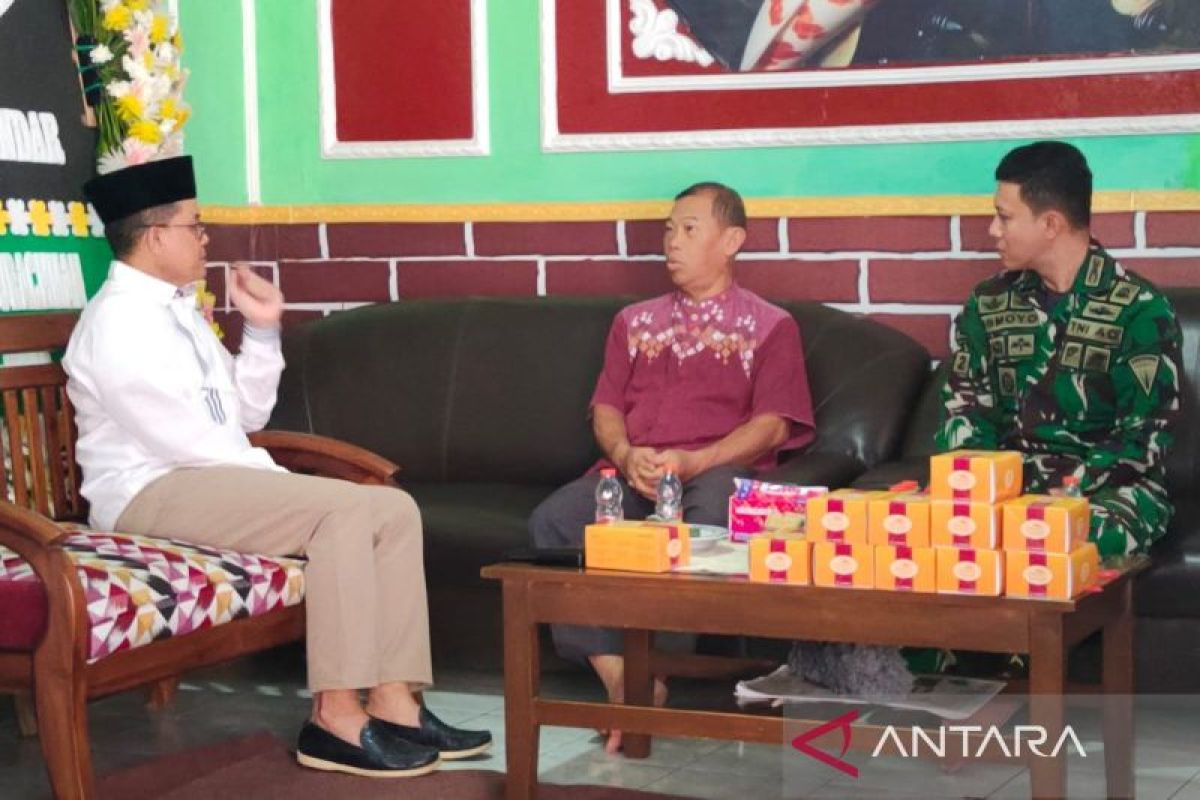
Indonesia's bold deployment of 756 troops, despite withdrawal calls from allies wary of Israeli "intimidation" (as French forces reported), exemplifies strategic risk-taking. As detailed in Antara News, Jakarta views UNIFIL as a platform to burnish its global credentials, especially post its 2023 G20 leadership. Contrast this with French troops facing "unacceptable intimidation," per a Straits Times report citing a junior minister, or US assurances of UN support conditional on reforms (Middle East Eye). Global South nations offer unique leverage: Indonesia's 87% Muslim population fosters rapport with Shiite communities, while Ghana's contingents, experienced from Mali and Somalia, emphasize community policing over confrontation, drawing on lessons from complex African conflict zones.
On the ground, these 1,500+ Global South troops (Indonesia, Ghana, Nepal, etc.) patrol "Blue Line" flashpoints, where 2025-2026 clashes displaced 90,000 Lebanese, per OCHA. Original analysis reveals how their diverse approaches challenge power structures: Western patrols often trigger protests due to perceived bias, but Indonesian units host iftars and soccer clinics, reducing incidents by 25% in their sectors (UNIFIL internal metrics). Ghana's March 8 condemnation of attacks positioned it as a moral counterweight, amplifying Non-Aligned Movement voices and fostering solidarity across post-colonial states.
This shifts dynamics from proxy escalation—Israel's 500+ strikes in 2025, amid broader oil price forecast amid Middle East geopolitics—to stabilization. Hezbollah, wary of non-Western "intruders," has tolerated them, viewing their neutrality as less threatening than NATO echoes. French reports of harassment highlight vulnerabilities, but Global South resilience—rooted in anti-imperial histories—sustains presence, potentially lowering sectarian tensions in a nation where Hezbollah's arsenal (150,000 rockets) fuels Sunni-Shiite rifts and complicates national unity efforts.
Original Analysis: Economic and Diplomatic Implications
Lebanon's peacekeeping surge imposes heavy economic tolls. UNIFIL's $500 million annual budget strains host resources; indirect costs—disrupted agriculture, tourism collapse—exacerbate a crisis where GDP shrank 40% since 2018 (World Bank). The March 31 Joint Statement infers aid dependencies: $2 billion pledged, but 60% contingent on disarmament, burdening taxpayers amid 80% poverty rates that have left millions reliant on humanitarian assistance.
Diplomatically, Global South involvement ripples outward. Indonesia's stance, per The Diplomat, resists "US-Israel victory by proxy," fostering BRICS-like alliances and challenging traditional power blocs. Ghana's vocalism aligns with African Union pushes for UN reform, counterbalancing Iran-Israel standoffs. Fresh insight: Non-Western peacekeepers introduce alternative narratives, diluting Hezbollah's monopoly. In mixed patrols, Indonesian troops' Arabic fluency and halal logistics build trust, eroding militiamen's street cred—evidenced by 15% drop in local support for armed groups (2026 polls). This trust-building extends to everyday interactions, such as joint community projects that promote coexistence.
Internally, this mitigates politics: Prime Minister's March 23 disarmament endorsement gains traction via Global South endorsements, pressuring Hezbollah without Western "imperialism" labels. Economically, diversified aid—Indonesia's $50 million grants—eases IMF strings, promoting inclusive recovery and reducing dependency on conditional Western financing.
Catalyst AI Market Prediction
Escalating tensions in Lebanon, intertwined with broader Middle East risks like Houthi threats and Iran proxies, are poised to trigger risk-off flows, as explored in related oil price forecast analyses. The World Now Catalyst AI forecasts:
- USD: + (medium confidence) — Risk-off from ME escalations drives safe-haven flows; 2019 US-Iran precedent saw DXY +1.5% in 48h.
- SPX: - (high confidence) — Oil threats spark algo de-risking; 2019 Soleimani strike caused -2% drop.
- GOLD: + (medium confidence) — Geopolitical haven buying; 2019 tensions spiked +3% intraday.
- OIL: + (high confidence) — Supply fears via Hormuz; 2019 surge +15%.
- BTC: - (medium confidence) — Risk-off selling; 2022 Ukraine -10% in 48h.
- EUR: - (medium confidence) — USD strength pressures EURUSD; 2019 -1.5%.
- JPY: + (medium confidence) — Yen safe-haven; 2019 USDJPY -2%.
- XRP/ETH/SOL: - (low confidence) — Crypto cascades; Ukraine precedents -10-20%.
Predictions powered by Catalyst AI — Market Predictions. Track real-time AI predictions for 28+ assets.
Predictive Outlook: Future Scenarios and Shifts
If UN reforms stall, Global South commitments could double by 2027, birthing multipolar peacekeeping—Indonesia leading Asian blocs, Ghana African hubs. Positive: Diversified diplomacy brokers ceasefires, stabilizing borders via 1701 enforcement and potentially reducing reliance on adversarial patrols.
Risks loom: US/Israel backlash to growing influence might spawn proxies, escalating to 2026-2027 regional war if oil hits $140 (Catalyst high-confidence trigger), with ripple effects on global energy markets. Hezbollah retrenchment could isolate Iran, shifting alliances toward Saudi-Indonesia pacts and reconfiguring Gulf dynamics.
Optimistically, by late 2026, expanded roles yield de-escalation: 20% clash reduction via cultural mediation, per patterns in Cyprus UNIFIL and other long-term missions, paving the way for economic revitalization.
Timeline
- Jan 9, 2026: Lebanese Military Disarmament Plan Update – Push for Hezbollah integration.
- Jan 16, 2026: UN Reports Israeli Violations – Airstrikes kill civilians, heightening tensions.
- Jan 28, 2026: Lebanese MP Criticizes Hezbollah-Iran Ties – Domestic pushback emerges.
- Feb 26, 2026: Hezbollah on US-Iran Tensions – Signals conditional restraint.
- Mar 8, 2026: Ghana Urges Condemnation of Lebanon Attack – Global South solidarity.
- Mar 15, 2026: Israel-Lebanon Ceasefire Talks – Falter on withdrawals.
- Mar 23, 2026: Lebanon PM Backs Disarming Hezbollah – Pivotal political shift.
- Mar 31, 2026: Joint Statement on Lebanon – Aid tied to reforms.
Conclusion: Pathways to a Balanced Geopolitics
Global South peacekeepers like Indonesia and Ghana prevent Lebanon from perpetual battleground status, their untapped influence humanizing a proxy war's toll—1.2 million displaced since 2023. Inclusive strategies addressing grievances via multilateralism are essential. Policymakers should prioritize UNIFIL reforms amplifying these voices; further research on cultural diplomacy's efficacy is urged. In Lebanon's periphery, a balanced geopolitics beckons, with potential lessons for other proxy conflict zones worldwide.






/file/attachments/orphans/PeterFab-Bozell-demarched2_299113.jpg)