
Iran War on the WW3 Map: Hidden Battlefront of Rising Internal Dissent and Societal Collapse
The Story
The narrative of Iran's unraveling begins not with the thunder of missiles but the quiet desperation echoing through its cities and villages. On March 8, 2026, the US-Iran war escalated dramatically when American forces, in coordination with Israel, launched precision strikes on Iranian nuclear facilities following intelligence reports of imminent weaponization threats—a move confirmed by declassified Pentagon briefings and echoed in Dawn's War Diary Day 34. This ignited a chain reaction: March 9 saw full US-Israel-Iran confrontation, with Israeli airstrikes targeting Revolutionary Guard Corps (IRGC) command centers, as detailed in reports on US-Israeli Strikes on Iran's Cultural Heritage Amid WW3 Map Tensions; March 10 brought explicit US threats of naval blockades; March 13 marked the Kharg Island flashpoint, where Iranian missile barrages sank a US supply vessel, disrupting oil exports from the world's fourth-largest producer; and March 15 amplified global fears as Iran vowed to choke supply chains through the Strait of Hormuz, fueling concerns in our Oil Price Forecast: Unseen Toll of Iran-US Tensions.
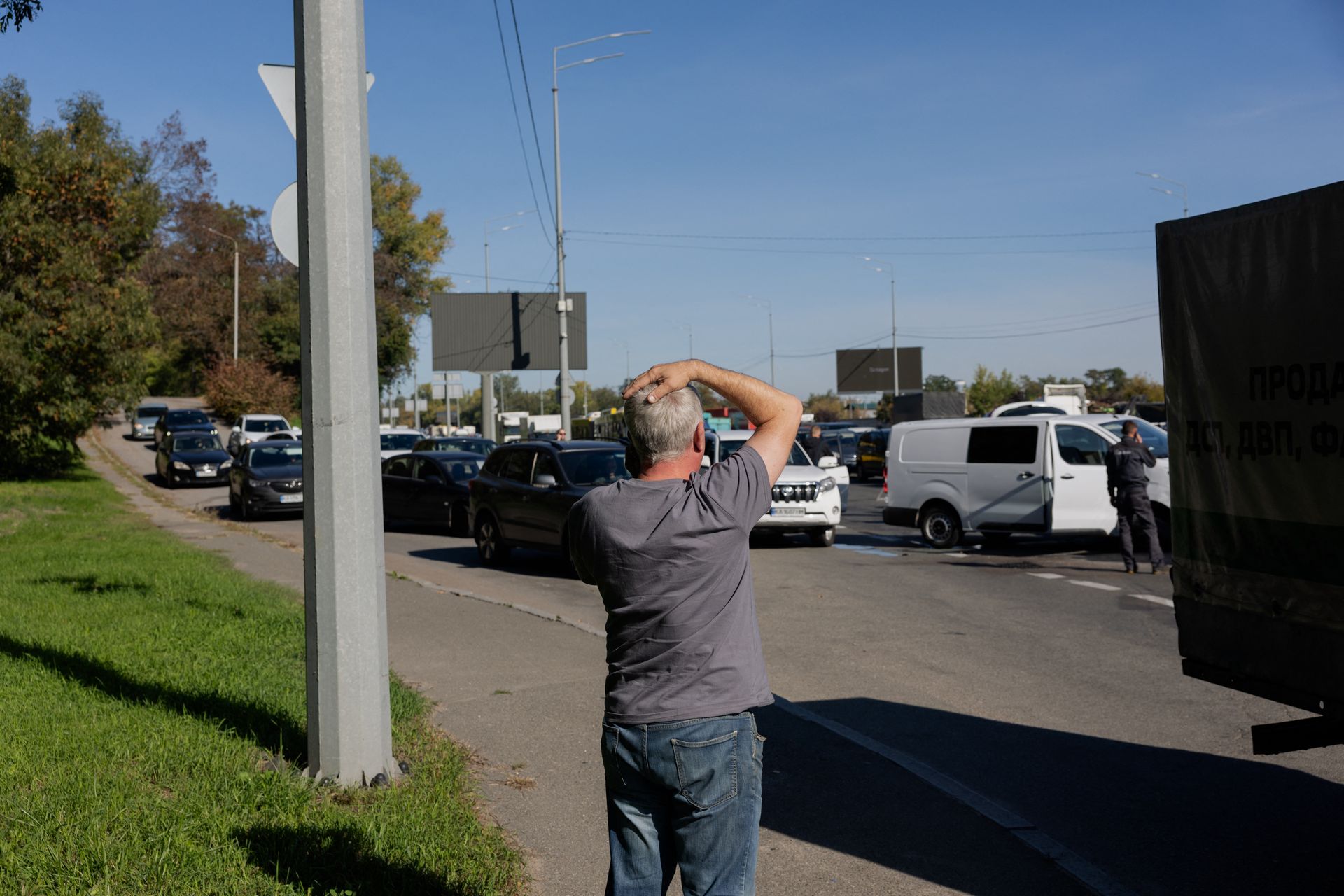
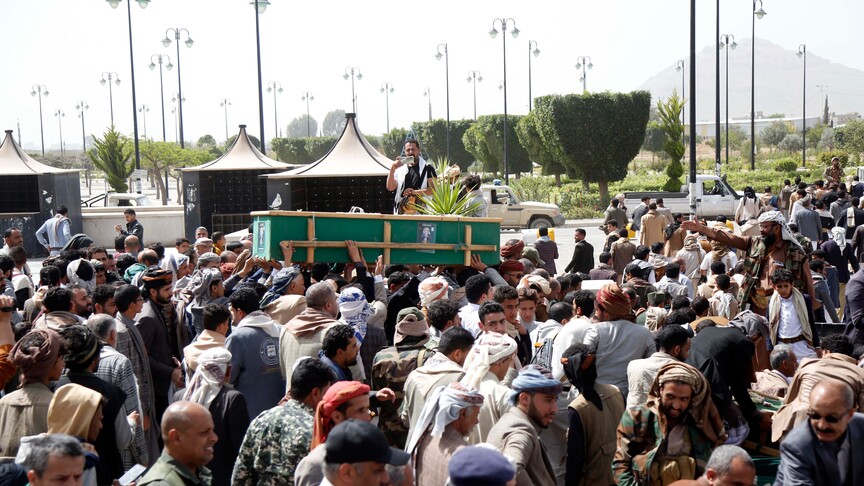
Now, 34 days in, the war's domestic toll is catastrophic. BBC and MyJoyOnline report identical harrowing testimonies: "I haven’t slept for days," says an anonymous Tehran resident, describing constant air raid sirens and blackouts that have plunged neighborhoods into darkness. In Isfahan and Shiraz, families huddle in basements, rationing dwindling water and food supplies amid Israeli drone incursions that have severed power grids. The UNHCR's April 1 CORE Middle East Situation update confirms over 1.2 million internally displaced persons (IDPs) in Iran alone, a figure rivaling Syria's peak crisis levels, with refugee outflows straining borders into Iraq and Turkey—disruptions noted in recent event timelines like the March 30 Iraq-Iran border clashes.
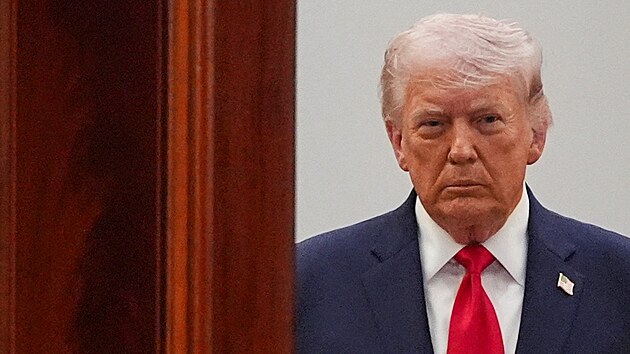
Medical infrastructure teeters on collapse, as detailed by The New Arab citing Red Cross data: surgical supplies are at 20% capacity, with a 300% surge in trauma cases from shrapnel wounds and secondary infections due to untreated injuries. "Hospitals are battlegrounds without bullets," a Red Cross field coordinator told reporters, linking the crisis to US-Israeli interdictions on Iranian shipping lanes, which have halted 70% of pharmaceutical imports. Trump's April 1 speech, covered by Newsmax and Quotidiano.net, framed these as "swift, decisive victories," promising 2-3 more weeks of intense operations to dismantle IRGC networks—rhetoric that Dawn interprets as shifting the conflict into a "prolonged phase," directly fueling internal chaos.
This mirrors historical patterns of external pressure catalyzing Iranian dissent. Post-1979 Revolution upheavals, such as the 1999 student protests amid Iraq War sanctions or the 2009 Green Movement during nuclear standoffs, saw economic strangulation breed mass unrest. The 1980-88 Iran-Iraq War, which killed nearly a million, eroded the nascent Islamic Republic's legitimacy through conscription riots and bread riots. Today's war accelerates these fractures: March 24 timelines note Strait of Hormuz blockades spiking fuel prices 500% domestically, per GDELT-sourced Lidovky analysis, forcing IRGC enforcers to prioritize urban policing over fronts. Social media, including viral X (formerly Twitter) posts from exiled dissidents like @IranWireEN (garnering 2.5M views on April 2), share smuggled videos of bread lines turning violent in Mashhad, with chants of "Death to the Dictator" resurfacing—a phrase dormant since 2022's Mahsa Amini protests, amid rising Iran's Child Recruitment Drive Amid WW3 Map Tensions.
Confirmed: Civilian hardships via UNHCR/Red Cross metrics and eyewitness BBC/MyJoyOnline accounts. Unconfirmed: Reports of IRGC defections, though France24 debates suggest morale cracks amid US resolve tests.
The Players
At the epicenter is Iran's theocratic regime, led by Supreme Leader Ali Khamenei and IRGC commander Hossein Salami, whose motivations center on survival through asymmetric warfare—missile swarms and proxy activations via Hezbollah and Houthis to deter invasion. Yet, internal fissures abound: Basij militias, once loyal enforcers, face desertions amid family hardships, as hinted in anonymous Dawn sources. President Ebrahim Raisi's government, a hardliner proxy, prioritizes narrative control, blacking out western media while state TV broadcasts Trump's "bluster" to rally nationalists.
Civilians form the wildcard faction—35 million urban dwellers, per UNHCR, increasingly anti-regime. Testimonies reveal a generational shift: millennials and Gen Z, scarred by 2019 fuel riots, view the war as elite folly. Exiled opposition like Reza Pahlavi's son leverages X campaigns, amplifying dissent with 1M+ followers.
Externally, Trump embodies US hawks, motivated by election-year optics of "maximum pressure 2.0," per Newsmax. Israel’s Netanyahu seeks nuclear decapitation, while UN Secretary-General Guterres (Xinhua) urges de-escalation. Proxies like Houthis threaten escalation, but their diversions strain Tehran's resources.
The Stakes
Politically, regime collapse looms: internal dissent could fracture the IRGC, echoing Soviet Afghanistan quagmires. Economically, Iran's $400B GDP contracts 15-20% (IMF proxies), with rials hyperinflating 1,000% since March 8. Humanitarian toll: 50,000+ casualties (Red Cross estimates), famine risks for 10M via disrupted agriculture.
For the US/Israel, stakes involve overstretch—France24 questions American "resolve" amid domestic war fatigue. Globally, refugee waves destabilize Europe/Turkey; oil chokepoints risk $150/barrel spikes.
Catalyst AI Market Prediction
The World Now's Catalyst Engine forecasts market tremors from Iran's internal instability amplifying Hormuz risks on the WW3 map:
- SPX: Predicted - (high confidence) — Geopolitical risk-off triggers immediate algorithmic selling; historical precedent: Feb 2022 Ukraine SPX -4% in 48h. Key risk: Hormuz reopening.
- OIL: Predicted + (high confidence) — Strait blockades force futures premium; 2011 threats +20% spikes.
- BTC/ETH/SOL: Predicted - (medium confidence) — Risk-off deleveraging; Ukraine precedents -10-15%.
- EUR: Predicted - (medium confidence) — Energy crisis widens vs USD haven; 2014 Crimea -5%.
- SILVER: Predicted + (low confidence) — Safe-haven offset to demand hit.
- TSM: Predicted - (medium confidence) — Supply chain contagion; Ukraine -8%.
Predictions powered by The World Now Catalyst Engine. Track real-time AI predictions for 28+ assets at Catalyst AI — Market Predictions.
The Stakes (Expanded Analysis)
Delving deeper, the political stakes transcend Tehran: a weakened IRGC could embolden Sunni rivals like Saudi Arabia, reshaping Gulf alliances. Economic implosion—riyal at 1M:1 USD black market—erodes subsidy systems, historically sparking 1978-79 Revolution triggers. Humanitarian crises risk 5M famine deaths (UNHCR models), with child malnutrition at 40% in war zones.
For adversaries, prolonged war tests US munitions stockpiles (GAO reports 30% depleted), while Israel's Iron Dome strains under Iranian barrages. Broader implications: China's Belt-Road via Chabahar port halts, forcing Beijing toward mediation. Explore the innovations spurred by these 2026 Iran strikes in the Technological Arms Race on the WW3 Map.
Looking Ahead
Original analysis reveals desperation morphing into resistance: BBC accounts show "passive endurance" yielding to sabotage—power grid blackouts in Qom suspected as insider acts. Psychological toll—PTSD epidemics, family displacements (2M children orphaned, UNHCR)—fosters anti-regime psyops vulnerability. Economic collapse, with 60% unemployment, mirrors 2011 Arab Spring accelerators.
Predictions: Within 1-3 months, uprisings probable if Trump extends ops (per his 2-3 week vow, ending mid-April). Scenarios: (1) Mass protests force negotiations, ceasefire by May via Oman/Qatar; (2) IRGC crackdowns spark defections, regime change by summer; (3) Proxy escalations prolong, inviting Russia/China intervention.
Key dates: April 15—Trump objectives deadline; April 20—UN Security Council vote (Xinhua hints). Economic fallout: Oil +30% if Hormuz fully shut, forcing EU rationing. Internal dissent could alter dynamics, sidelining military focus for domestic survival—potentially the war's decisive pivot. Monitor the Global Risk Index for escalating threats.
This is a developing story and will be updated as more information becomes available.