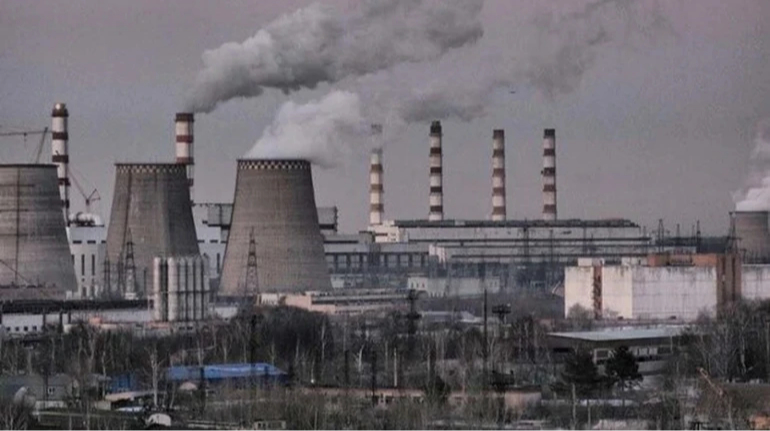

Kherson Officials Declare Emergency Threat as Russian Strikes Hit Energy Sites Daily
Russia's constant attacks on energy infrastructure in Kherson Oblast have officially been classified as threatening an emergency situation, meaning any worsening of the current state could endanger human welfare. [1] The same status has also been applied to the state of the heating supply in Kherson due to the risk of disruptions during the heating season. [1]
Kherson Declares Emergency Threat Over Energy Attacks
Oleksandr Prokudin, Head of Kherson Oblast Military Administration, reported the classification following a meeting of the oblast commission on technogenic and environmental safety and emergency situations. [1] The commission ruled in a separate decision that the situation with Kherson's heating supply constitutes a threat of a technogenic emergency. [1] This declaration highlights how repeated Russian strikes on energy facilities have created conditions where further damage could directly threaten human welfare across the oblast. [1] Local authorities have tied the emergency threat directly to the vulnerability of centralised heating systems that face ongoing targeting. [1] The classification serves as an official recognition that the current trajectory of attacks risks escalating into broader crises if protective measures are not advanced. [1] Prokudin presented these findings after the commission reviewed the cumulative impact of strikes on infrastructure reliability. [1]
Ongoing Strikes on the Kherson Combined Heat and Power Plant
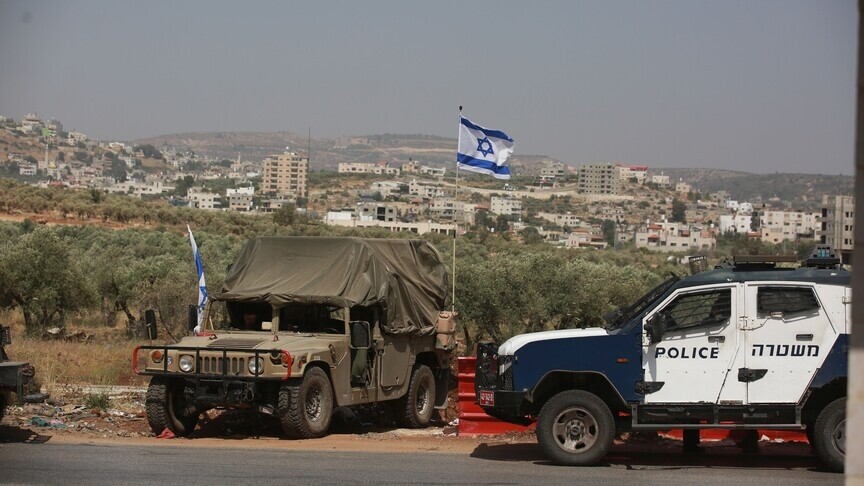
Russian strikes damage energy infrastructure in Kherson Oblast Ukraine. — Source: anadolu Russian forces have made the Kherson Combined Heat and Power Plant a target for regular attacks even though the facility has been out of operation for several months. [1] Strikes on the plant continue almost every day despite its shutdown. [1] The plant officially ceased operations on 4 December last year due to the constant shelling. [1] Prokudin stated that the enemy is following a clear plan with systematic strikes aimed at making it physically impossible to repair the equipment. [1] On 28 December 2025, Russian forces shelled the local combined heat and power plant in Kherson with artillery once again, causing significant damage. [1] Russia attacks the plant almost every day according to reports from the region. [1] The December strike left between 10,000 and 12,000 people with no heating. [1] These repeated assaults underscore the deliberate focus on energy nodes that support civilian heating needs. [1] The pattern of daily targeting has persisted well beyond the initial closure, preventing any return to operational status. [1]
Response Measures and Funding Appeal
The Kherson Oblast Military Administration is preparing to appeal to the government for funding from the state budget's reserve fund to support the heating decentralisation project and to ensure work on protection for energy facilities can be completed. [1] The meeting approved a plan for supplying power to critical infrastructure and the public in the event of prolonged power cuts. [1] The list of chemically hazardous facilities in the oblast was also updated during the session. [1] These steps form part of a coordinated response to the emergency threat classification tied to energy attacks. [1] The decentralisation project aims to reduce reliance on vulnerable centralised systems that have been repeatedly struck. [1] Funding from the reserve fund would accelerate both the decentralisation work and physical protections around key sites. [1] The approved power supply plan provides a framework for maintaining essential services during extended outages caused by infrastructure damage. [1] Updating the hazardous facilities list reflects adjustments to safety protocols in light of the ongoing threats. [1]
Ukrainian Advances on the Sloviansk Front
Russian strikes damage energy infrastructure in Kherson Oblast prompting emergency threat declaration. — Source: anadolu Troops from Ukraine's 81st Separate Slobozhanska Airmobile Brigade have destroyed 60 pieces of light Russian military equipment over four days on the Sloviansk front. [3] The paratroopers published footage of the destruction and attributed the result to operations conducted across those four days. [3] The General Staff reported that the Sloviansk front is the second most intense area of fighting after Pokrovsk. [3] Over the course of 10 July, Russian forces launched 29 assaults on the positions of Ukrainian defenders towards the settlements of Kryva Luka, Rai-Oleksandrivka and Mykolaivka, as well as in the areas of Riznykivka and Zakitne. [3] The intensity of these assaults demonstrates sustained pressure on Ukrainian lines in the region. [3] The brigade's equipment losses inflicted on Russian units occurred amid this high volume of attacks. [3] Ukrainian forces maintained defensive positions while achieving the documented equipment destructions over the four-day period. [3]
Pakistan's Anti-Insurgency Operation in Balochistan
Pakistan's security forces have killed at least 88 militants in a major anti-insurgency operation in the restive province of Balochistan since July 5. [2] Nine militants were killed in the past 24 hours, with the total number of militants killed under Operation Shaban reaching 88. [2] The ongoing operation involves the Pakistan army, paramilitary rangers and the frontier corps, with security forces carrying out coordinated ground and air offensives against militant hideouts across the province. [2] The operation was launched after a wave of coordinated militant attacks rocked Balochistan on July 5. [2] The deadliest assault targeted a police checkpoint at Mangi Dam in Ziarat district, where militants killed nine police personnel before abducting 18 others. [2] Officials later recovered the bodies of the abducted policemen from the Zarghoon Gar mountainous area near Ziarat. [2] Violence also struck the Hanna Urak Valley near Quetta on July 5, where militants attacked members of a local tribe, killing five people, injuring eight others and abducting 11. [2] The abducted tribesmen were rescued on Friday night. [2] Balochistan, Pakistan's largest but least populated province, has witnessed a decades-long insurgency. [2]
Israeli Military Actions in the West Bank and Syria
Israeli occupiers have attacked workers and destroyed a farm in the occupied West Bank, with municipal workers forced to halt an electricity project as separate attacks targeted farmland in Nablus, Ramallah and Jenin. [4] In southwest Syria, Israeli forces launched an incursion and established a temporary checkpoint to inspect passersby in the Quneitra countryside. [5] These actions represent continued operations in both the occupied West Bank and adjacent Syrian territory. [4] [5] The attacks on municipal workers disrupted ongoing infrastructure projects in multiple districts. [4] Farmland destruction accompanied the worker incidents across the named areas. [4] The checkpoint in Syria's Quneitra countryside allowed for inspection of individuals passing through the area. [5] Syrian media reported the establishment of the temporary checkpoint during the incursion. [5]
What to watch next: Continued Russian strikes on the Kherson Combined Heat and Power Plant could further delay decentralisation work, while the 81st Brigade operations on the Sloviansk front and Pakistan's Operation Shaban may produce additional equipment losses or militant casualties in the coming days.