
Iran war leaves over 50 facilities targeted and Strait of Hormuz traffic down sharply
Six months into the Iran war that began with joint US-Israeli strikes in February, more than 50 facilities in Iran have been targeted, the Strait of Hormuz remains largely paralyzed with sharply reduced oil and gas traffic, thousands of sailors are stranded, and nearly half of global oil flows are now coming from war zones.
Scale of Strikes on Iranian Facilities
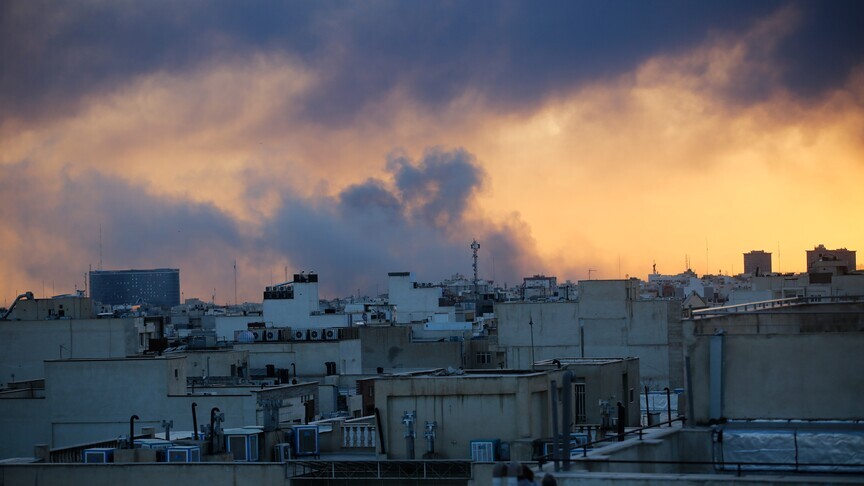
Iran's state broadcaster reports that over 50 facilities were targeted in the war with the US and Israel, with Tehran's Glass Building hit for a second time and sustaining heavier damage than during the 2025 conflict. [1] The report from the state broadcaster details that Tehran's Glass Building suffered heavier damage in this latest strike compared to the earlier 2025 conflict. [1] Iranian state media emphasized the scale of the targeting across more than 50 facilities during the period of hostilities involving the US and Israel. [1] This account from Iran's state broadcaster provides the primary details on the number of sites affected and the specific impact on the Glass Building in Tehran. [1]
Disruption to Strait of Hormuz Traffic
Before Iran blocked the strait in response to joint US-Israeli strikes in February, around one fifth of the world's oil and liquefied natural gas exports passed through the waterway. [2] After Iran closed the strait on March 1, commodity carrier traffic plummeted to an average of 10 transits per day, compared with a daily average of 95 in February, according to an AFP analysis of data from maritime tracker Kpler. [2] An agreement signed by the United States and Iran in June led to a temporary rebound to 36 transits per day, before they dropped back to an average of 15 between the resumption of hostilities on July 8 and August 22. [2] The sharp decline followed Iran's decision to block the strait on March 1 in direct response to the initial joint US-Israeli strikes. [2] Commodity carrier traffic remained well below pre-war levels even after the temporary rebound from the June agreement. [2]
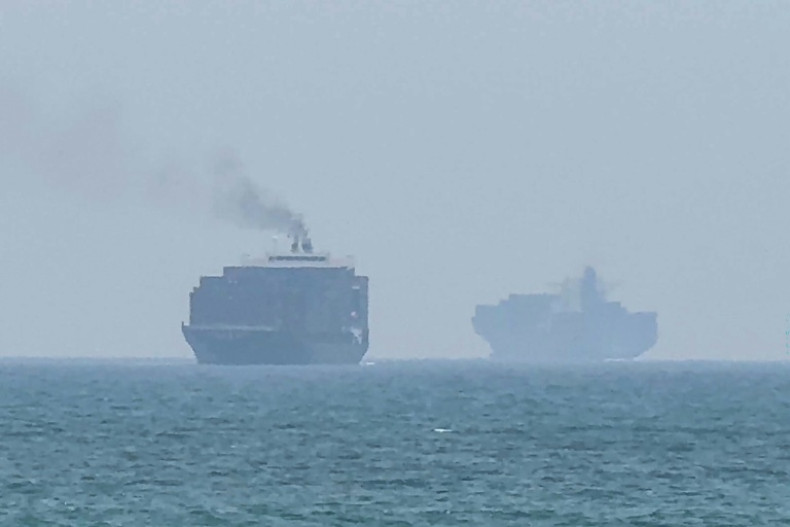
Strait of Hormuz shipping traffic sharply reduced six months into the Iran war. — Source: bangkokpost
Shifted Shipping Routes and Safety Risks
Iran's Guards have also warned of a "danger zone" covering 1,400 square kilometres where mines may be present. [2] There are now two distinct routes: one to the north, near the Iranian coast -- the only one approved by Tehran -- and another to the south, between the Omani coast and potentially mined areas. [2] During the relatively calm period between June 17 and July 7, an average of nine ships per day used the Iranian route and eight the Omani one. [2] Ever since the ceasefire collapsed on July 8, two-thirds of transits have become "dark", or unknown, compared with less than one percent before the war, according to Kpler. [2] These transits involve vessels whose exact route cannot be confirmed due to insufficient data stemming from disabled transponders, jammed signals or missing satellite imagery. [2] Vessel routes have shifted away from the traditional central corridor previously adopted by the International Maritime Organization. [5]
Stranded Sailors and Human Toll
Some 6,000 sailors and 500 ships have remained stuck in the Gulf since the beginning of the conflict, the IMO told AFP. [2] The organisation said there were "ongoing discussions" to ensure a secure maritime route, adding that their outcome "depends on de-escalation in the region". [2] The IMO had begun an initiative in June to evacuate more than 11,000 seafarers stuck in the Gulf, but the effort was soon suspended following an attack on a vessel. [2] Over the past six months, at least 20 sailors and dockworkers have been killed in incidents or attacks in the region, according to the IMO. [2] Approximately 6,000 sailors and 500 ships remain stuck in the Gulf amid the ongoing paralysis of normal transit patterns. [5]

Netanyahu views damage from US-Israeli strikes on Iranian facilities six months into the war. — Source: japantimes
Broader Oil Market and Geopolitical Impact
Six months into the Iran war, almost half of global oil flows now originate from war zones. [3] The proportion of global oil flows coming from war zones has reached this level after six months of the conflict that began with joint US-Israeli strikes. [3] Underlying Netanyahu’s dilemma have been the wild swings in the approach of U.S. President Donald Trump, who joined Israel in launching the conflict in late February, but by April abruptly called a ceasefire and sought a negotiated settlement in the face of souring public opinion and soaring oil prices. [4]
Netanyahu's Position After the Iran War
After decades of urging the United States to attack Iran, Israeli Prime Minister Benjamin Netanyahu finally got his wish. [4] But after six months of inconclusive hostilities, Israel may ultimately find itself in a worse position than it was before the war. [4] The Islamic republic, which Netanyahu has long cast as an existential threat, has not only survived, but appears emboldened. [4] Netanyahu faces a situation in which the Islamic Republic has survived and appears emboldened after inconclusive hostilities and shifting US policy under President Trump. [4]
What to watch next: Ongoing discussions to ensure a secure maritime route depend on de-escalation in the region, while the Islamic Republic appears emboldened after surviving six months of hostilities.