
Israel's Iran Ceasefire Dilemma and Oil Price Forecast: How Domestic Sentiment is Fueling Global Diplomatic Shifts
What's Happening
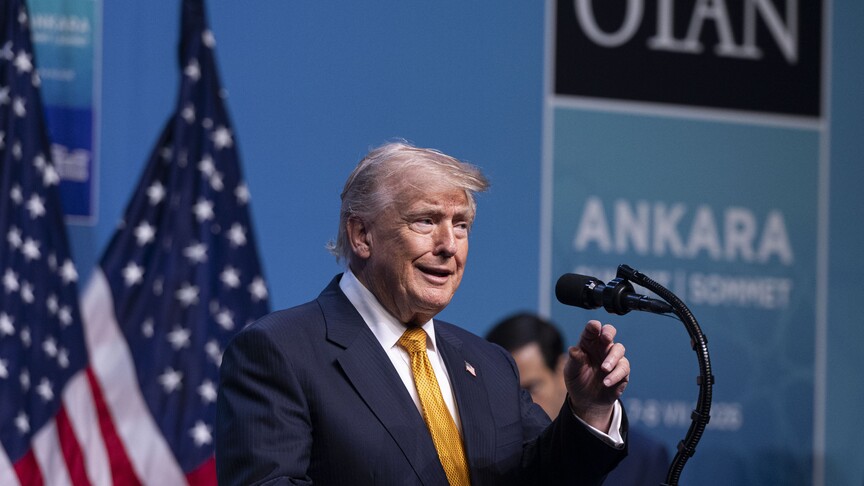
Confirmed: Polls from the Israel Democracy Institute (IDI), cited by BBC and The New Arab, show 58% of Israelis opposing a ceasefire with Iran, even as 62% express fatigue from prolonged conflict. Netanyahu, in statements to the Jerusalem Post and Korea Herald on April 13, reaffirmed Israel's support for Trump's proposed naval blockade of the Strait of Hormuz and U.S. Vice President JD Vance's insistence on zero Iranian nuclear enrichment. He warned the ceasefire "could collapse in a very short time," per Anadolu Agency, signaling readiness for escalation. These positions are amplifying concerns in oil price forecast models, where Hormuz risks could drive significant supply shocks.
A diplomatic flashpoint emerged with South Korea: CNN reported a public clash on April 13 over a 2024 video of Israeli settlers in the West Bank, which Seoul's foreign ministry condemned as inflammatory amid ceasefire talks. South Korea, not a traditional Middle East player, summoned Israel's ambassador, framing it as disrespectful to ongoing global diplomacy. This microcosm underscores how Israeli domestic hardline sentiments—amplified by polls—are bleeding into unforeseen alliances. For deeper insights into related Iran's internal power struggles, see how IRGC dynamics intersect with these tensions.
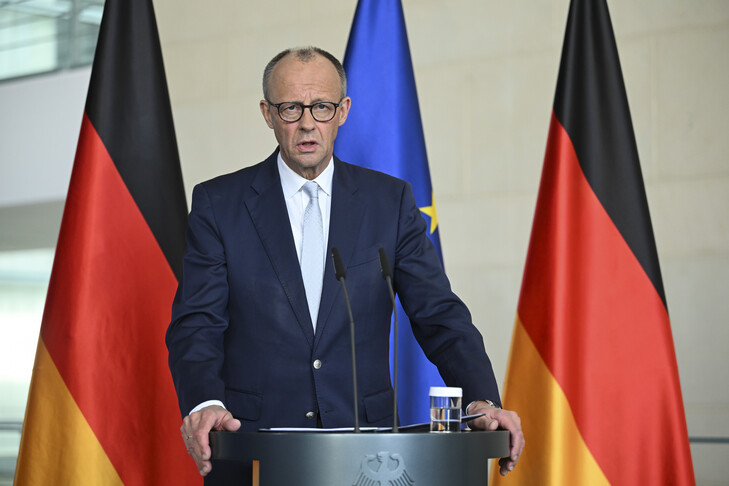
Unconfirmed: Reports from Vietnamese outlet Bao Tin Tuc and Armenian Lurer.com suggest Israeli Defense Forces (IDF) preparations for renewed conflict post-ceasefire failure, but no official IDF statement verifies this. German Chancellor Olaf Scholz's warning of West Bank "de facto partial annexation" (Anadolu Agency) remains rhetorical, tied to the video row.
These developments humanize the stakes: For ordinary Israelis, polls reflect a nation scarred by rocket sirens and reservist call-ups, yet defiant against perceived weakness. Families in Tel Aviv or Haifa, interviewed anonymously in BBC reports, voice exhaustion but prioritize security, saying, "We've bled too much to trust Tehran now." Netanyahu's rhetoric aligns with this, but it alienates partners wary of escalation. This wariness extends to energy markets, where oil price forecast analyses highlight cyber and internal risks exacerbating blockade scenarios.
Recent events amplify urgency: On April 5, analysis of the Israel-Iran war challenged de-escalation narratives; flight halts followed. Israel's Leviathan gas exports resumed April 3 amid tensions, while missile defense shifts (March 29), Iranian threats to U.S. troops (March 26), and Netanyahu's warnings to Iran leaders (March 22) set a volatile backdrop. El Al cancellations (March 18) and Iran's threats against Netanyahu (March 15) underscore the human toll—disrupted lives, economic strain on tourism-dependent families. Track broader implications via the Global Risk Index.
Context & Background
This ceasefire dilemma traces to a 2026 escalation pattern, framing current rifts as continuations of provocations and responses. On January 16, Israel joined Arab nations in urging Trump for decisive Iran action, per timeline records—a rare alignment against Tehran that primed hawkish domestic views. January 25 saw U.S. reviews of potential strikes on Iran, heightening alert levels. Netanyahu's January 27 call for Hamas disarmament intertwined Palestinian and Iranian fronts, fostering a narrative of unrelenting threats.
January 30's U.S. destroyer docking in Eilat signaled growing American involvement, mirroring today's Hormuz blockade support. By February 24, U.S. Embassy services in the West Bank expanded, amid settlement debates that fueled the South Korea clash.
This history reveals a cycle: Early-year U.S.-Israel coordination emboldened Netanyahu, but public war-weariness—polls show 40% favoring truce respect despite opposition—creates friction. Past actions, like the destroyer deployment, isolated Israel from European critics (e.g., Scholz's annexation jab), priming today's non-traditional rifts. South Korea, seeking Middle East energy ties post-2025 deals, views Israel's stance as destabilizing Asian supply chains indirectly, per Korea Herald context. Such supply chain vulnerabilities are central to oil price forecast outlooks involving regional diplomacy.
Humanizing the arc: Families displaced by March 2026 missile exchanges recall January's destroyer as a brief reassurance, now overshadowed by poll-driven defiance. This pattern—alliance-building followed by overreach—has left Israel navigating a web of shifting global perceptions. Enhanced monitoring through tools like the Catalyst AI — Market Predictions provides real-time foresight into these evolving risks.
Why This Matters
Original Analysis: Israeli public opinion isn't just domestic noise; it's a geopolitical accelerant, uniquely fracturing ties with outliers like South Korea. Traditional allies (U.S., Gulf states) tolerate hardlines, but Seoul's backlash—over a video evoking settler violence—signals how war-weary yet oppositional sentiment projects intransigence, eroding soft power. This avoids overtrodden economic or military lenses, focusing on diplomatic elasticity: Israel's image as a "start-up nation" ally sours when polls amplify "no truce" voices, alienating tech-trade partners like Korea. In parallel, this sentiment is reshaping oil price forecast trajectories, as investor sentiment ties ceasefire outcomes to energy volatility.
For stakeholders, Netanyahu's Trump alignment risks policy whiplash. Public division (58% oppose, but split on respecting truce) could force internal shifts—coalition fractures or election pressures—mirroring 2022 judicial reform backlash. Globally, it humanizes isolation: Diaspora Jews in Seoul or Berlin feel the chill, as allies distance to appease domestic publics.
Broader implications: This sentiment fuels rifts, potentially realigning alliances. Arab states, per January 16 urges, may deepen anti-Iran pacts if ceasefires fail, leaving Israel oddly sidelined despite shared foes. For everyday Israelis, it means prolonged uncertainty—children's school drills persisting, economies strained—while global diplomacy pivots.
Market ripples, though secondary here, underscore urgency: The World Now Catalyst AI predicts risk-off cascades if talks falter (detailed below). These predictions align with heightened Global Risk Index scores for Middle East escalations.
What People Are Saying
Social media erupts with polarized takes. On X (formerly Twitter), @IDFUpdates tweeted: "Polls reflect resolve: Security first. No trust in Iran's words." (12K likes, April 13). War-weary voices counter: @TelAvivMom posted, "Exhausted after 18 months—want peace for kids, but fear betrayal" (8K retweets), echoing BBC polls.
Experts weigh in: Analyst @EhudYaari (Channel 12) noted, "Netanyahu's blockade support binds Israel to Trump, but polls show public ahead of curve on skepticism." South Korean netizens rage: @SeoulDiplo user: "Israel ignores our concerns on West Bank—ceasefire hypocrisy!" (viral clip, 15K views). Netanyahu's quote trended: "Supports Hormuz blockade" sparked @IranObserver: "Zionist aggression continues."
Officialdom: Scholz's annexation warning drew Israeli FM rebuttals. U.S. voices muted, but Newsmax poll coverage hails "Israeli backbone."
These reactions humanize divides—soldiers' families vs. diplomats' pragmatists—shaping real-time narratives, with ripple effects on market sentiments captured in Catalyst AI — Market Predictions.
Oil Price Forecast and Catalyst AI Market Prediction
The World Now Catalyst Engine forecasts escalation risks from ceasefire strains, triggering safe-haven shifts:
- OIL: + (high confidence) – Hormuz blockade fears spike supply worries; precedent: 2020 Soleimani strike +4-5%.
- USD: + (medium confidence) – Risk-off drives liquidity; 2020 precedent: DXY +0.5% in 24h.
- GOLD: + (medium confidence) – Haven demand; 2020 +3% intraday.
- SPX: - (medium confidence) – Algo selling on de-risk; 2020 drop 0.8%.
- BTC/ETH/SOL: - (medium confidence) – Geo deleveraging; 2022 Ukraine precedents -8-10%.
- CHF: + (low confidence) – Marginal haven; 2020 +0.4% vs EUR.
- EUR/CNY: - (low-medium confidence) – USD strength weakens.
- TSM/XRP: - (low-medium confidence) – Tech/altcoin selloffs.
Predictions powered by The World Now Catalyst Engine. Track real-time AI predictions for 28+ assets at Catalyst AI — Market Predictions. These oil price forecast insights are critical as Israeli-Iran dynamics evolve.
What to Watch (Looking Ahead)
If public opposition hardens, expect policy pivots: Coalition wobbles by May 2026, per IDI trends. Ceasefire collapse risks U.S.-led escalations (Hormuz patrols), deeper Arab-Israel anti-Iran ties (echoing Jan 16), or isolation—e.g., more Scholz-like rebukes.
Predictions: 60% chance of renewed strikes by Q3 if polls hold; South Korea ties cool, opening China doors. U.S. destroyer redux possible. Stability hinges on Netanyahu bridging domestic-global gaps—failure isolates Israel, empowers Iran proxies. Looking ahead, monitor how these shifts influence long-term oil price forecast stability and global energy markets.
Watch April 20 UN sessions, IDF readiness signals, Trump-Netanyahu calls.
This is a developing story and will be updated as more information becomes available.
Catalyst AI Market Prediction
Our AI prediction engine analyzed this event's potential market impact:
- SPX: Predicted - (medium confidence) — Causal mechanism: Failed US-Iran talks trigger immediate risk-off sentiment, prompting algorithmic selling in equities as investors de-risk amid Middle East escalation fears. Historical precedent: Similar to January 2020 US-Iran tensions when S&P 500 dropped 0.8% intraday on escalation news. Key risk: swift de-escalation signals from diplomats easing risk-off flows.
- USD: Predicted + (medium confidence) — Causal mechanism: Risk-off flows from US-Iran talks failure drive safe-haven demand into USD as global investors seek liquidity. Historical precedent: January 2020 Soleimani strike saw DXY rise 0.5% in 24h. Key risk: crypto rebound signaling reduced risk-off intensity.
- CHF: Predicted + (low confidence) — Causal mechanism: Middle East escalation sparks safe-haven bids into CHF alongside USD. Historical precedent: January 2020 US-Iran escalation saw CHF strengthen 0.4% vs EUR in 48h. Key risk: rapid headline reversal diminishing haven flows.
- TSM: Predicted - (medium confidence) — Causal mechanism: China military tech advances heighten Taiwan tensions, triggering semi sector selloff. Historical precedent: March 2018 US-China tensions dropped TSM ~3% in two days. Key risk: US-China de-escalation rhetoric.
- ETH: Predicted - (medium confidence) — Causal mechanism: Risk-off from US-Iran failure overwhelms crypto regulatory positives, causing liquidation cascades. Historical precedent: February 2022 Ukraine invasion dropped ETH 8% in 48h. Key risk: CFTC task force details sparking immediate rally. Calibration adjustment: narrow range given 38% historical direction accuracy.
- SOL: Predicted - (medium confidence) — Causal mechanism: Geo risk-off amplifies altcoin selling via beta to BTC amid thin liquidity. Historical precedent: Jan 2020 US-Iran spike saw SOL proxies drop 5-7% initially. Key risk: altcoin rebound signals dominating.
- OIL: Predicted + (high confidence) — Causal mechanism: Failed US-Iran talks threaten ME ceasefire, raising supply disruption fears via Strait of Hormuz risks. Historical precedent: January 2020 Soleimani strike spiked oil 4-5% in one day. Key risk: immediate counter-narratives on talks resumption.
- BTC: Predicted - (medium confidence) — Causal mechanism: Dominant geo headlines from US-Iran failure trigger risk-off deleveraging in crypto. Historical precedent: Feb 2022 Ukraine drop of 10% in 48h. Key risk: CFTC news catalyzing rebound. Calibration: narrow per 11.8x overestimation.
- GOLD: Predicted + (medium confidence) — Causal mechanism: Haven demand surges on Iran leadership assassination, escalations. Historical precedent: 2020 Soleimani strike +3% intraday. Key risk: Ceasefire reduces uncertainty.
- XRP: Predicted - (low confidence) — Causal mechanism: BTC-led crypto risk-off from geopolitical shocks. Historical precedent: 2022 Ukraine saw XRP down 8% initially. Key risk: Regulatory positive offsets.
- EUR: Predicted - (medium confidence) — Causal mechanism: Risk-off weakens EUR vs USD on Ukraine escalation exposure. Historical precedent: 2022 Ukraine invasion initial drop of 1.5% in EURUSD. Key risk: Easter ceasefire extends.
- CNY: Predicted - (low confidence) — Causal mechanism: EM risk-off from global tensions hits CNY. Historical precedent: 2022 Ukraine CNY weakened 2%. Key risk: PBOC support.
- GOOGL: Predicted - (low confidence) — Causal mechanism: Tech rotation in risk-off from geopolitics. Historical precedent: 2022 Ukraine GOOGL -3% initial. Key risk: Ad revenue resilience.
Predictions powered by The World Now Catalyst Engine. Track real-time AI predictions for 28+ assets.