
Geopolitics Iran developments include US sanctions on Persian Gulf Strait Authority
Recent geopolitics iran developments have drawn renewed attention to the Persian Gulf after the United States imposed sanctions on Iran’s Strait Authority while Iranian officials reported a naval encounter involving a US tanker near the Strait of Hormuz. These events unfold against a backdrop of longstanding tensions over maritime access and regional security.
geopolitics iran Focus: US Sanctions on Strait Authority
The US Treasury Department announced sanctions targeting Iran’s Persian Gulf Strait Authority, citing alleged links to the Islamic Revolutionary Guard Corps. According to the action, the authority is accused of compelling vessels to pay tolls for safe passage through the Strait of Hormuz, a critical chokepoint for global oil shipments [2]. The measure reflects ongoing US efforts to disrupt what it describes as coercive practices affecting international shipping lanes. Treasury officials framed the sanctions as a direct response to the authority’s operational conduct, which they linked to broader IRGC influence in the region. This step adds to existing restrictions on Iranian entities and underscores Washington’s determination to maintain pressure on structures perceived as supporting military activities. The sanctions designation highlights the strategic importance of the strait, through which a significant share of the world’s oil supply transits daily.
Reported Naval Incident
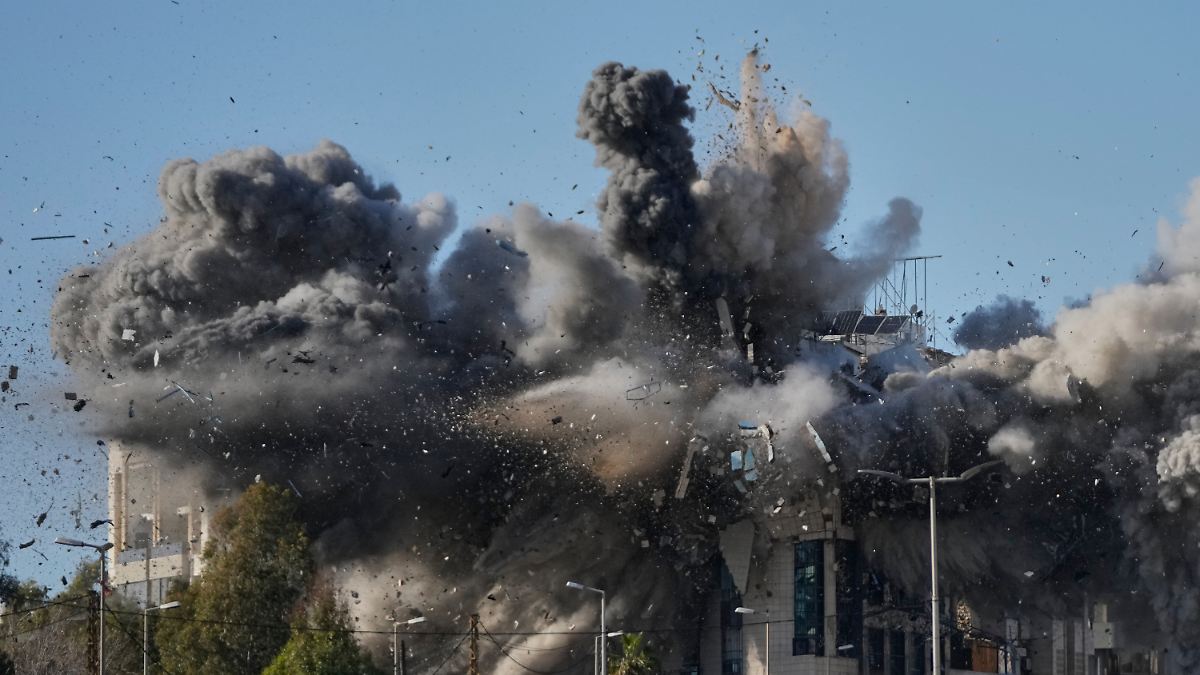
Iranian state-linked media reported that the IRGC navy turned back a US tanker near the Strait of Hormuz. Semi-official Tasnim News Agency connected the maritime encounter to subsequent explosions near Bandar Abbas, attributing those blasts to US military fire [5]. Iranian accounts described the tanker incident as an attempt to assert control over the waterway, followed by what officials characterized as retaliatory or provocative actions by American forces. The sequence of events, as presented by Iranian sources, illustrates the fragile security environment around the strait and the potential for localized clashes to escalate quickly. No independent verification of the explosions’ origin has been provided in the available reports, yet the linkage drawn by Tasnim underscores Tehran’s narrative of external interference in its coastal areas.
Trump Statement on Hormuz Access
President Trump rejected proposals for any temporary joint management of the Strait of Hormuz by Iran and Oman. Speaking during a White House cabinet meeting, he stated that the strait “is going to be open to everybody” and emphasized its status as an international passage that no single country should dominate [3]. The president’s remarks came amid fragile Iran-US talks and signaled a firm US position against arrangements that could restrict free navigation. He further indicated that any attempt to close or control the waterway would face strong opposition, including the possibility of military response. This stance aligns with longstanding US policy prioritizing open access to key maritime routes and rejecting bilateral or regional deals that might alter the strait’s operational status.
Iran's Red Lines
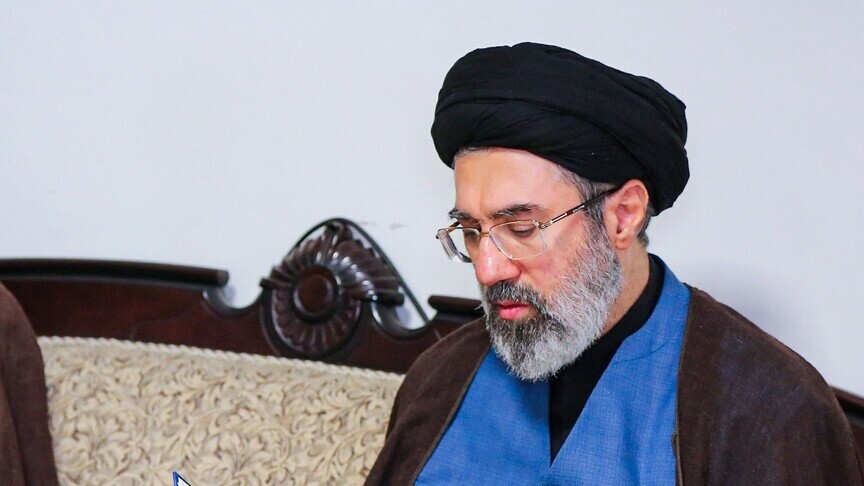
Iranian political statements have reiterated the country’s commitment to its established red lines in ongoing disputes. Officials have signaled that core positions regarding sovereignty and security will remain unchanged despite external pressures [1]. These declarations serve as a reminder that Tehran views certain issues, including control over its territorial waters and resistance to perceived foreign dictates, as non-negotiable. The emphasis on red lines reflects Iran’s broader strategy of maintaining firm boundaries while navigating heightened regional tensions.
Additional Reports on Iranian Capabilities
Semi-official Iranian outlets have referenced possible deliveries of Chinese hypersonic missiles to Iran, describing the systems as capable of neutralizing US naval assets within a short timeframe [4]. Such reports, while unconfirmed by independent sources, point to discussions within Iranian media about advanced weaponry that could alter the balance of power in the Gulf. The coverage suggests ongoing interest in missile technology as a deterrent factor amid current frictions.
What to watch next: Further statements from Iranian officials on red lines, additional US Treasury actions related to the Strait Authority, and any updates on reported naval movements near the Strait of Hormuz.