
Geopolitics global update reports US sanctions on Iran's Strait of Hormuz authority
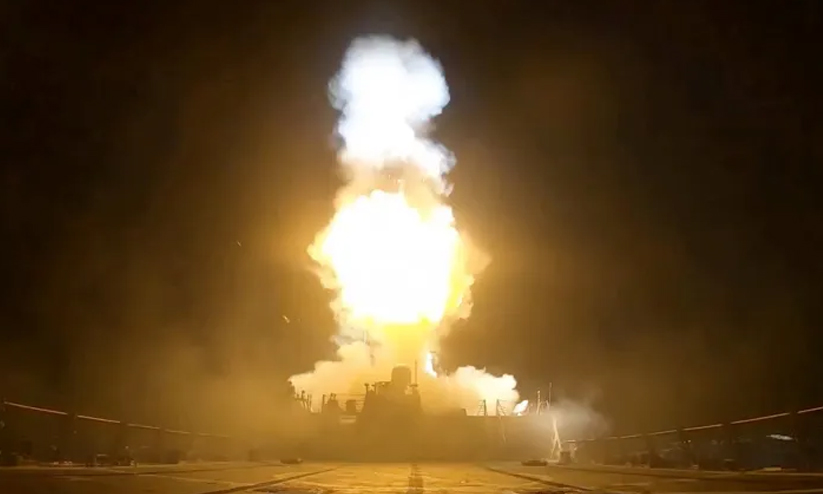
The Middle East conflict has now reached its 90th day, prompting the United States to impose fresh sanctions on Iran's new Strait of Hormuz authority in a move that forms part of the ongoing geopolitics global response to the crisis. This action targets an agency responsible for regulating transit through the vital waterway and charging tolls, with direct consequences for worldwide oil and gas supplies. Negotiations for a war-ending deal continue even as tensions remain elevated following prior US strikes on Iranian military sites.
US Sanctions on Iran
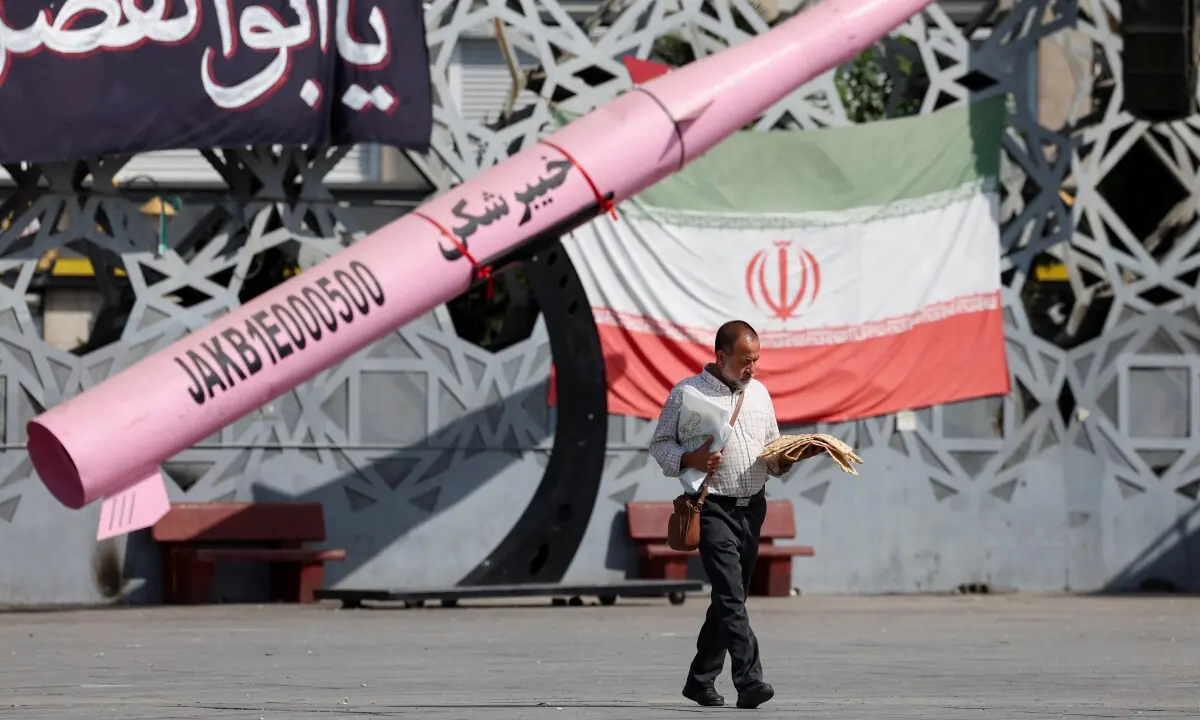
The sanctions specifically address Iran's new authority overseeing the Strait of Hormuz, an entity established to manage passage and collect fees amid the ongoing conflict. US officials have described the regime as desperate for cash due to the war's economic toll, leading to this escalation in financial pressure. The measures build on earlier strikes that followed drone incidents and aim to limit revenue streams that could sustain military activities. By focusing on transit regulation and toll collection, the sanctions directly affect the flow of energy resources through one of the world's most critical chokepoints. This development underscores how the conflict has forced new layers of economic restrictions into place [2].
Central Asia Realignment in geopolitics global
Central Asia is tilting more decisively toward China as water security concerns intensify because of the Iran war. The conflict has exposed vulnerabilities in supply chains across the region, prompting former Soviet states to reassess their strategic orientation. Beijing's expanding influence offers potential support for water-related needs that have grown more urgent amid the broader geopolitical uncertainty. The US-Israel actions against Iran have already crippled parts of the global supply network, leaving Central Asian nations to seek alternative partnerships that address both energy and resource stability. This shift reflects how the Middle East conflict is reshaping alignments far beyond its immediate theater [3].
Cambodia Energy Development
Cambodia has accelerated efforts to access an estimated $300 billion in energy resources as the global fuel crisis deepens from the Middle East conflict. The country's energy minister has highlighted how the oil shock has added urgency to resolving a long-standing maritime boundary dispute with Thailand. Without progress on that front, Cambodia cannot fully tap into offshore reserves that could offset rising fuel costs and supply disruptions. The push comes directly from the need to secure domestic energy options while international markets face sustained pressure from the 90-day conflict. Officials view the current situation as a catalyst for diplomatic movement that had previously stalled [4].
Broader Energy and Supply Impacts
The Iran conflict has produced wide-ranging effects on global oil, gas, and commodity supplies, with the Strait of Hormuz sanctions adding further constraints on transit volumes. Central Asian economies face indirect fallout through disrupted energy routes and heightened water security risks tied to the same war. Cambodia's accelerated resource development illustrates how nations distant from the fighting are nonetheless compelled to adjust strategies in response to fuel shortages and price volatility. These interconnected pressures have choked off critical commodity flows and forced multiple regions to confront supply vulnerabilities that originated in the Middle East [2][3][4].
What to watch next: Continued negotiations for a war-ending deal alongside any further adjustments by Central Asian states or Cambodia in response to ongoing energy and water pressures stemming from the conflict.