
US sanctions target Iranian agency in geopolitics Iran Hormuz dispute
US imposes sanctions on Iran's new agency overseeing the Strait of Hormuz amid ongoing developments in geopolitics iran. The measures target the body regulating transit and charging tolls through the vital waterway, forming part of broader US economic pressure during the war following strikes on Iranian military sites. This action comes as the Middle East conflict enters its 90th day, with the sanctions aimed at an agency that Iran has positioned to oversee shipping in the region.
US Sanctions on Hormuz Agency
The Trump administration on Wednesday placed further sanctions on Iran as part of a sprawling economic pressure campaign during the war, this time targeting the country's newly created agency that is trying to control shipping through the Strait of Hormuz [5]. The US has imposed fresh sanctions on Iran's new Strait of Hormuz authority, escalating economic pressure [4]. These steps follow US strikes on Iranian military sites after drone downings, with the sanctions specifically directed at the agency regulating transit and charging tolls [4]. The measures impact global oil and gas supplies by focusing on the entity established to manage passage through the strait [4]. In the context of geopolitics iran, the sanctions underscore efforts to counter attempts at unilateral control over the international passage.
The sanctions target the authority overseeing the Strait of Hormuz, which Iran has set up to handle regulatory functions including toll collection [5]. This action aligns with the description of the war leaving the regime desperate for cash, prompting the US response through economic channels [4]. By hitting this new body, the measures seek to disrupt operations related to transit management in the strait [5]. Sources confirm that the sanctions form part of the ongoing economic pressure campaign tied directly to the conflict [4].
Trump Statement on Strait Access
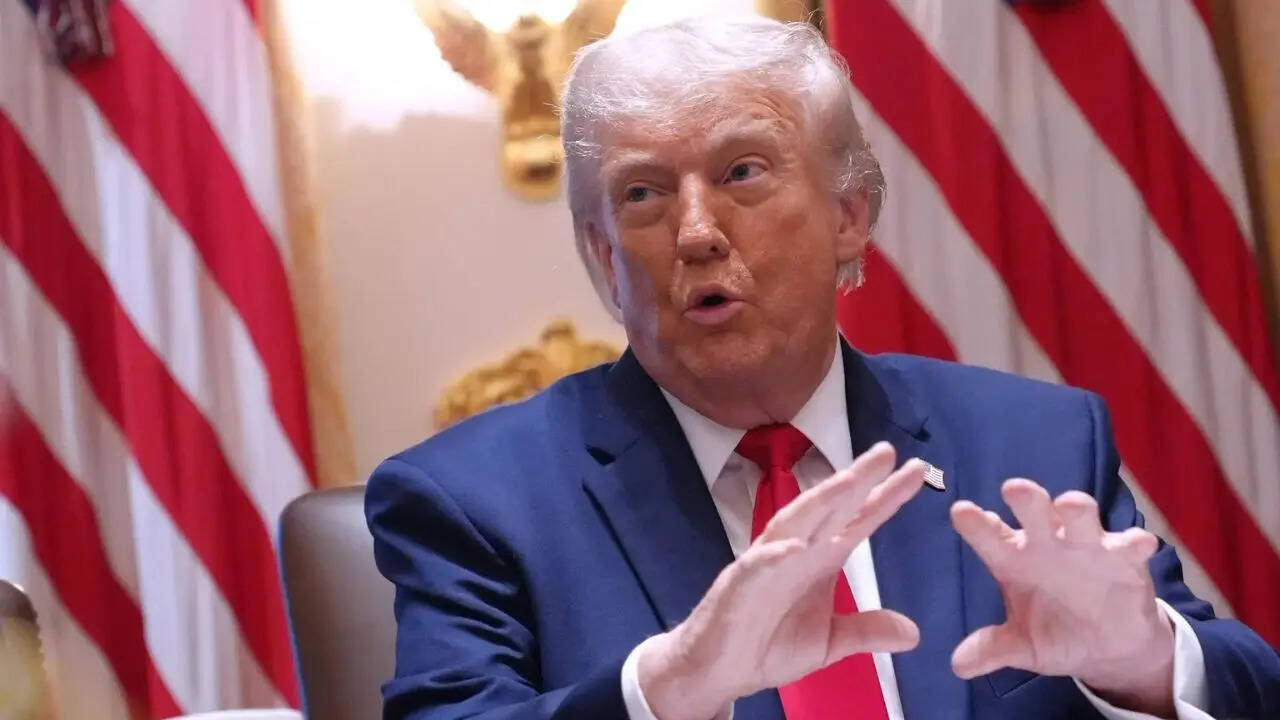
Speaking to reporters during a cabinet meeting at the White House on Wednesday local time, Trump rejected the idea of any temporary arrangement that would allow Iran and Oman to jointly manage the strait [1]. "No, the strait's going to be open to everybody," Trump said when asked whether he would support such a deal [1]. Calling it an international passage, the US President stressed that no country would be allowed to dominate it [1]. This position rejects proposals for shared oversight involving Iran and Oman in the geopolitics iran landscape.
Trump's comments emphasize that the strait must remain accessible without any form of joint control by specific nations [1]. The statement comes amid fragile Iran-US talks and highlights the administration's stance against arrangements that could limit open access [1]. By declaring the waterway open to all nations, the remarks reinforce the policy of preventing dominance by any single party in the region [1].
Iranian Report of Maritime Incident
Iran says IRGC navy turned back US tanker near Strait of Hormuz [3]. Semi-official Tasnim News Agency links explosions near Bandar Abbas to US military fire following maritime incident [3]. This account details the IRGC navy's actions in turning back the tanker in proximity to the strait [3]. The reported explosions are connected by Iranian sources to US military activity after the encounter [3].
The Iranian report provides details on the sequence involving the tanker and subsequent blasts near Bandar Abbas [3]. These events are presented as tied to the maritime incident in the area [3]. Such accounts contribute to the broader narrative surrounding tensions in the Strait of Hormuz region.
Conflict Context and Economic Impact
The sanctions come as the Middle East conflict enters its 90th day, with the war leaving the regime desperate for cash [4]. Negotiations for a war-ending deal continue amidst heightened tensions [4]. The measures target the agency regulating transit and charging tolls, impacting global oil and gas supplies [4]. This follows US strikes on Iranian military sites after drone downings, integrating the sanctions into the larger economic pressure strategy [4].
In geopolitics iran, the 90-day mark of the conflict frames the sanctions as a response to ongoing developments, including the creation of the Hormuz authority [4]. The economic effects center on disruptions to oil and gas transit through the strait due to the targeted agency [4]. The overall context ties the sanctions to the war's progression and related military actions [4].
What to watch next: Negotiations for a war-ending deal continue amidst heightened tensions, with the sanctions on the Strait of Hormuz authority remaining in place as the conflict passes the 90th day [4].