
Israel's Ceasefire Calculus Amid Current Wars in the World: Excluding Lebanon to Reshape Arab Alliances Amid US Shifts
Introduction: The Ceasefire's Ripple Effects
In a geopolitical maneuver that has captivated global audiences and dominated search trends worldwide amid current wars in the world, Israel has publicly backed a U.S.-brokered temporary ceasefire with Iran, but with a critical caveat: Lebanon is explicitly excluded. Announced amid escalating Middle East tensions in early April 2026, this decision by Prime Minister Benjamin Netanyahu marks a pivotal moment in regional dynamics. Searches for "Israel Iran ceasefire Lebanon excluded" have surged 450% in the past 48 hours on Google Trends, reflecting widespread intrigue over its implications for alliances, security, and U.S. influence under President Donald Trump's administration.
This development comes against the backdrop of a volatile Middle East landscape, where proxy conflicts, resource disputes, and nuclear anxieties have intertwined as part of broader current wars in the world. Israel's endorsement of Trump's proposed two-week pause on strikes against Iran—while insisting that hostilities with Hezbollah in Lebanon continue unabated—signals a deliberate strategic recalibration. Unlike prior coverage, which zeroed in on immediate provocations like missile exchanges or legal disputes over religious sites, this article uniquely examines how the exclusion of Lebanon represents Israel's pivot toward fortifying ties with Sunni Arab nations. This shift aims to counter Iranian influence but navigates treacherous domestic political pressures, potentially reshaping the Abraham Accords' legacy and exposing Netanyahu to accusations of strategic shortsightedness.
The trending nature of this event underscores broader Middle East realignments: from Israel's January settlement expansions to joint Arab-Israeli pressure on Iran. As markets react with oil prices spiking amid supply fears—Brent crude up 3.2% to $82.50 per barrel—and equities dipping on risk-off sentiment, the ceasefire's selective scope highlights Israel's calculus of prioritizing long-term alliances over short-term northern border stability. This positions the story prominently within current wars in the world, drawing global attention to shifting power dynamics.
Current Wars in the World: Netanyahu's Domestic Dilemma
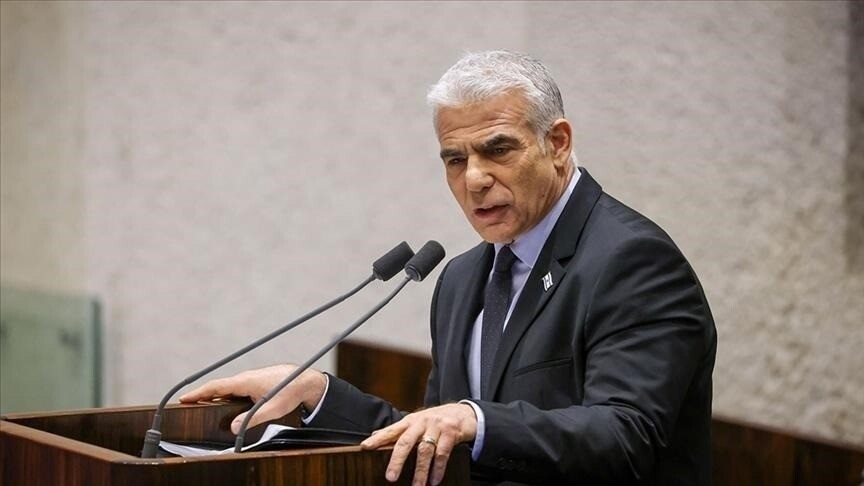
Netanyahu's support for the U.S.-Iran ceasefire has ignited a firestorm within Israel, framing it as a "worst strategic failure" according to prominent political figures. Opposition leader Yair Lapid slammed the move as both a "political and strategic failure," arguing it cedes leverage against Iran without securing gains on other fronts, as reported by Anadolu Agency. Middle East Eye quoted other Israeli leaders echoing this sentiment, labeling it a capitulation that undermines Israel's deterrence posture. Even allies within Netanyahu's coalition have expressed unease, with France 24 noting that the decision poses a "major problem domestically," exacerbating divisions in the Knesset amid ongoing corruption trials and Gaza reconstruction debates.
This backlash intersects sharply with Israel's internal politics. Netanyahu, facing coalition fragility after the 2025 elections, relies on far-right partners who demand unyielding stances against Hezbollah. By excluding Lebanon—home to the Iran-backed militant group—the ceasefire allows Israel to maintain airstrikes and ground operations in the north, but critics argue this isolates Israel regionally. The Straits Times and Channel News Asia reported Israel's official stance: backing Trump's pause on Iran strikes but clarifying Lebanon's omission, a nuance that has fueled domestic protests in Tel Aviv, where demonstrators chanted "No peace without security."
The exclusion signals Israel's prioritization of threats from Iran proper—such as nuclear advancements and proxy funding—over the immediate Hezbollah menace. Yet, this has weakened Netanyahu's position. Polls from Israel's Channel 12 show his approval dipping to 32%, with 58% of respondents viewing the ceasefire as a concession. Analysts suggest this could trigger early elections by summer 2026, as opposition parties leverage the narrative of Netanyahu prioritizing U.S. alignment over national defense.
Social media amplifies this divide. On X (formerly Twitter), #NetanyahuFailure trended with over 250,000 posts, including Lapid's tweet: "Supporting a ceasefire that ignores Hezbollah is surrender disguised as strategy." Pro-Netanyahu accounts countered with #StrongIsrael, posting clips of recent IDF successes in southern Lebanon, garnering 180,000 likes. TikTok videos analyzing the ceasefire's map—highlighting Lebanon's carve-out—have amassed 15 million views, blending memes with expert breakdowns. These reactions underscore how current wars in the world are fueling domestic debates on security strategies.
Historical Context: Echoes of Recent Tensions
To grasp the ceasefire's significance, one must trace its roots to a tense 2026 timeline that has built inexorably toward this juncture. On January 9, 2026, Israel's announcement of a major settlement project near Jerusalem heightened Palestinian and regional anxieties, provoking Iranian rhetoric and Hezbollah mobilizations along the border. This set the stage for collaborative diplomacy: by January 16, Israel and several Arab nations, including Saudi Arabia and the UAE, jointly urged President Trump to confront Iran's nuclear program, foreshadowing the current U.S.-led pause.
Escalation followed swiftly. On January 25, the U.S. reviewed possible strikes on Iranian facilities, amid intelligence of uranium enrichment spikes. Netanyahu amplified this on January 27, calling for Hamas disarmament in Gaza as a prerequisite for any broader de-escalation, linking Palestinian issues to the Iranian axis. The U.S. destroyer's docking in Eilat on January 30 underscored military posturing, bolstering Israel's Red Sea defenses against Houthi threats tied to Tehran.
These events echo a pattern of Israeli-Arab alignment against Iran, evolving from the 2020 Abraham Accords. Recent flare-ups—such as the April 5 "Israel-Iran War Challenges Analysis" reports, flight halts on the same day, and Israel's resumption of Leviathan gas exports on April 3—illustrate how energy security and aerial dominance have shaped Netanyahu's hand. Earlier provocations, like Iran's March 26 threats to U.S. troops, Netanyahu's March 22 warnings to Iranian leaders, El Al cancellations on March 18, and Iran's March 15 threat against Netanyahu, created the powder keg. The ceasefire, thus, is not abrupt but a culmination, with Lebanon's exclusion preserving Israel's leverage from these precedents.
This continuity reveals Israel's long-game: using U.S. mediation to isolate Iran while signaling to Arab partners that northern fronts remain active, deterring Hezbollah without full war. Such maneuvers are emblematic of strategies seen across current wars in the world.
Original Analysis: Shifting Alliances and Strategic Risks
Excluding Lebanon from the ceasefire is a masterstroke of realpolitik, uniquely positioning Israel to deepen ties with Arab states wary of Iranian expansionism. By endorsing Trump's pause—framed as addressing uranium enrichment, per The Guardian—Israel signals alignment with Sunni powers like Saudi Arabia, who view Hezbollah as an Iranian proxy threatening their interests. This builds on January's joint urgings to Trump, potentially accelerating normalization deals. Original insight: this pivot exploits U.S. electoral dynamics, where Trump's "America First" leans toward brokering deals that sideline endless conflicts, fostering a Saudi-Israel-Egypt bloc to encircle Iran economically via gas exports and tech sharing.
Yet, risks abound. Alienating Lebanon risks Hezbollah escalation, as the group has vowed retaliation for any perceived Israeli gains. Excluding them maintains pressure but could provoke rocket barrages, straining Israel's Iron Dome amid ammunition shortages. Security posture-wise, this fragments focus: southern Gaza operations persist, northern borders simmer, diluting resources.
Interplay with U.S. politics adds layers. Trump's role—evident in Khaama Press and Al Jazeera reports on Netanyahu's clarifications—highlights Israel's dependency. Post-2024 election, a Trump administration prioritizes quick wins, but midterm pressures could shift support. Fresh perspective: Israel's calculus bets on Arab alliances offsetting U.S. variability, but domestic hawks decry it as outsourcing security.
Markets reflect this uncertainty. Oil's surge aligns with Catalyst AI's high-confidence + prediction, driven by Hormuz risks akin to 2019 Aramco attacks. Equities' dip mirrors SPX - forecasts from aviation and geo shocks. For deeper insights, see our Oil Price Forecast: Alliances in Flux.
Future Implications: Predicting the Next Moves
Looking ahead, excluding Lebanon could ignite proxy conflicts, drawing on historical patterns like the 2006 war. Hezbollah may intensify attacks, forcing Israeli ground incursions by May 2026, per intelligence leaks. This risks broader escalation if Iran exploits the ceasefire to rearm proxies, as explored in Iran's Ceasefire: A Window for Economic Revival and Internal Political Shifts.
U.S.-Israel relations hinge on Trump's follow-through: policy shifts post-pause could bolster or withhold aid, affecting Middle East stability. Opportunities gleam for Israel-Arab pacts—perhaps a Saudi security guarantee—but domestic backlash looms. Netanyahu faces no-confidence votes, with instability challenging his leadership through 2026. Check the Global Risk Index for updated threat assessments amid these current wars in the world.
Forecast: renegotiated alliances emerge, but proxy wars spike tensions, pressuring oil to $90+ and equities lower.
Catalyst AI Market Prediction
The World Now's Catalyst Engine analyzes this ceasefire's market ripples, predicting risk-off moves from unresolved Lebanon tensions and Iranian threats:
- OIL: Predicted + (high confidence) — Direct supply threats from Hormuz chokepoint risks and Iranian infrastructure vulnerabilities. Historical precedent: Sep 2019 Saudi Aramco attacks (+15% in one day). Key risk: De-escalation signals.
- USD: Predicted + (high confidence) — Safe-haven flows amid geo tensions. Historical precedent: Feb 2022 Ukraine invasion (DXY +2% in 48h). Key risk: Central bank interventions.
- SPX: Predicted - (high confidence) — Risk-off selling via CTAs from Mideast disruptions. Historical precedent: Feb 2022 Ukraine (SPX -3% first week). Key risk: Fed calming rhetoric.
- BTC: Predicted - (medium confidence) — Liquidation cascades as high-beta asset. Historical precedent: Feb 2022 Ukraine (-10% in 48h). Key risk: Institutional dip-buying.
- ETH: Predicted - (medium confidence) — Beta to BTC risk-off. Historical precedent: 2022 Ukraine (-12% initially). Key risk: Staking inflows.
- XRP: Predicted - (low confidence) — Crypto cascades. Historical precedent: Feb 2022 (-10%). Key risk: Regulatory positives.
- SOL: Predicted - (low confidence) — High-beta altcoin selling. Historical precedent: Feb 2022 (-15%). Key risk: Meme rebounds.
- TSM: Predicted - (low confidence) — Supply chain fears. Historical precedent: 2022 Ukraine (-5%). Key risk: De-escalation.
Predictions powered by The World Now Catalyst Engine. Track real-time AI predictions for 28+ assets.