
Eastern Europe's Populist Pivot Amid Current Wars in the World: Redefining EU Unity in the Shadow of Transatlantic and Russian Pressures
By Elena Vasquez, Global Affairs Correspondent, The World Now
Introduction: The New Geopolitical Chessboard in Europe
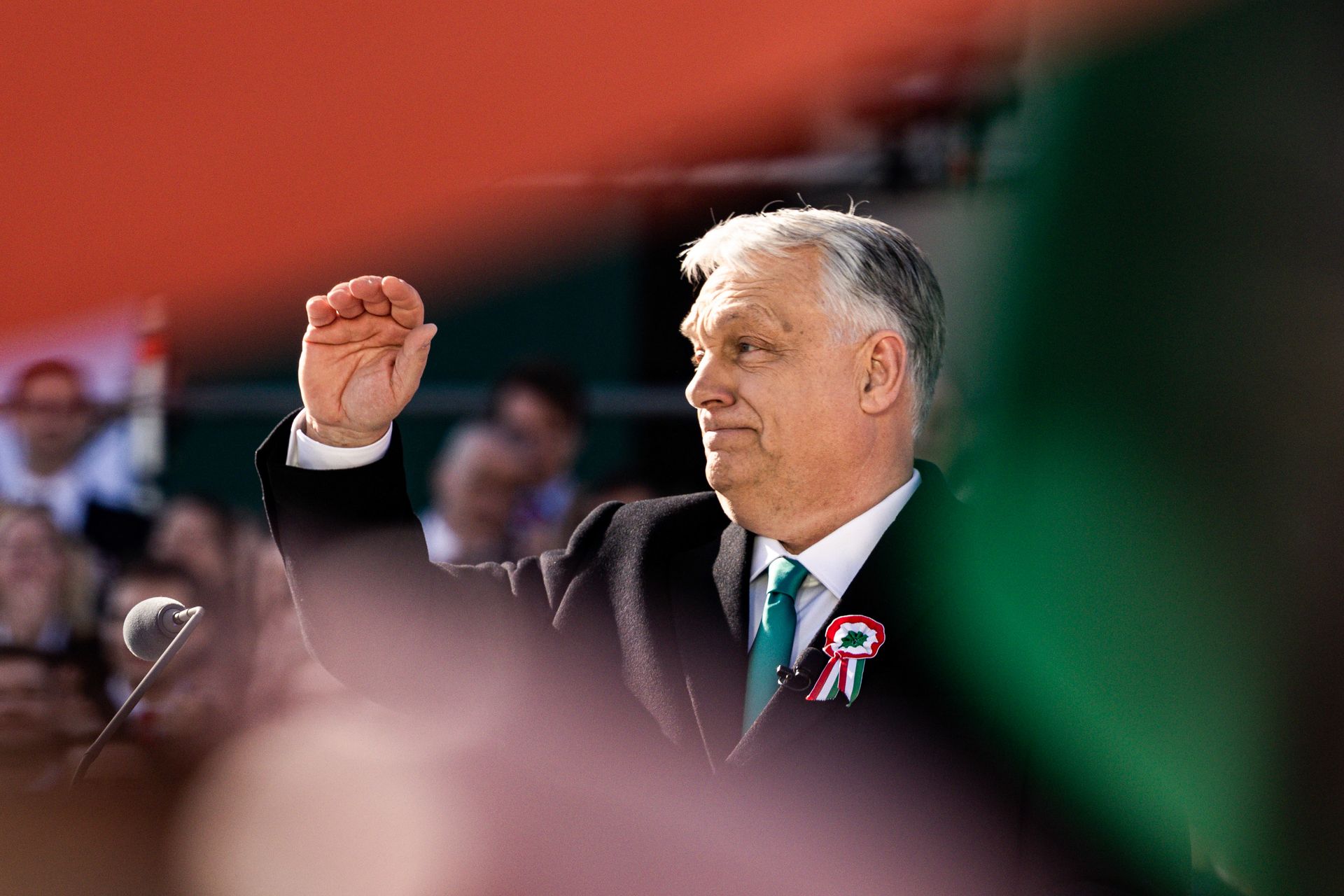
In the crisp spring of 2026, as current wars in the world intensify with ongoing conflicts in Ukraine and the Iran War disrupting global energy supplies, Hungary's Viktor Orbán gears up for a high-stakes re-election race that could define Europe's future. The continent's eastern flank is witnessing a subtle yet profound shift. Populist leaders like Orbán are masterfully exploiting transatlantic rifts and Russian saber-rattling to pursue national interests, fostering what this analysis terms "flexible alliances"—pragmatic, bilateral pacts that prioritize sovereignty over supranational loyalty. Recent events underscore this pivot: U.S. Vice President J.D. Vance's contentious endorsement of Orbán amid European backlash, leaked conversations revealing Orbán's deference to Putin ("I am at your service"), and Portugal's quiet authorization of dozens of U.S. military flights on its bases—despite refusals from Spain and France—signal a patchwork of allegiances.
These moves are not isolated; they reflect broader pressures from current wars in the world. Russia's veiled threats to Baltic states over alleged Ukrainian airspace violations have heightened anxieties, while U.S. remarks on NATO—criticized by Spain as pushing Europe toward "alternative security options"—exacerbate doubts about transatlantic reliability. At the human level, Orbán's leaked October phone call with Putin humanizes the stakes: a leader navigating personal rapport with a reviled autocrat to secure energy deals for his citizens amid looming shortages. Similarly, Poland's government collaborating with the Catholic Church on war contingency plans evokes the resilience of communities bracing for conflict. This unique lens on internal EU dynamics reveals how populists are catalyzing a potential new era of flexible alliances, challenging the bloc's unity without direct invocation of external wildcards like China or oil markets. These dynamics are deeply intertwined with current wars in the world, amplifying the urgency for Europe to adapt.
Historical Roots of Division: Lessons from Europe's Turbulent Past
To grasp today's populist maneuvers amid current wars in the world, one must revisit Europe's scarred history of fragmentation, where energy vulnerabilities and great-power pressures repeatedly fractured solidarity. The provided 2026 timeline offers stark parallels: On March 27, Slovenia instituted fuel rationing amid the Iran War's disruptions—echoing global oil shocks as detailed in our Oil Price Forecast: US-Iran Ceasefire's Unseen Global Ripples on Russia's Baltic Ambitions and China's Regional Maneuvers—exposing Western Europe's dependence on Middle Eastern supplies and fueling nationalist resentments. By March 31, the EU was preparing for broader energy disruptions, issuing crisis warnings while resisting U.S. demands—mirroring today's resistance to American pressures on NATO spending and Iran policy.
Post-Cold War dynamics amplify these echoes. The Visegrád Group's formation in 1991 was born from shared skepticism toward Brussels' centralization, much like Orbán's current plays. Slovenia's 2026 rationing, affecting everyday commuters and industries, recalls the 1990s Yugoslav wars' fuel shortages that deepened ethnic divides. Europe's March 31 resistance to U.S. Iran demands parallels historical pushback, such as France and Germany's 2003 opposition to the Iraq invasion, which strained transatlantic ties and emboldened Eastern skeptics.
These patterns underscore a recurring vulnerability: energy as a geopolitical weapon. Russia's 2009 gas cutoff to Ukraine rippled into Europe, prefiguring 2026 warnings. In Hungary, Orbán-era policies—securing Russian nuclear deals—draw from this lineage, positioning national autonomy against EU collectivism. Social media buzz, like X posts from Eastern European users decrying "Brussels elites ignoring our winters," humanizes the resentment, showing how historical traumas fuel today's fractures. The context of current wars in the world only heightens these historical parallels, making energy security a frontline battleground.
Current Dynamics Amid Current Wars in the World: Populist Leaders and the Erosion of EU Solidarity
Populism in Eastern Europe is eroding EU solidarity through autonomous foreign policies, as evidenced by recent case studies amid current wars in the world. Hungary's Orbán, facing a tight re-election, has endorsed U.S. support via Vance's visit while cozying up to Putin—leaked talks reveal his willingness to aid Russia "to great lengths." European lawmakers' push to oust Putin's interpreter from Hungary's OSCE election mission, met with OSCE objections, highlights institutional distrust.
Contrast this with Poland, where the government partners with the Church on war plans amid Russian threats—Anadolu Agency reports detail bunkers and evacuation drills, blending faith and state in national defense. Portugal's authorization of U.S. flights (with conditions, post-Spain/France refusals) reveals selective alignment: one EU member bends to Washington while others demur. Russia's veiled threats to Baltic states, denied by Lithuania and Latvia as analyzed in our coverage of Russia's Baltic ambitions, add urgency, with Kyiv Independent noting Moscow's "retaliation" warnings.
Recent events amplify this: April 7's Vance-Orbán meeting (NRK), Russia's Baltic salvoes (medium impact), and Portugal's approvals (low but symbolic). EU proposals for energy taxes on war profits (April 4) underscore tensions, as nations like Hungary balk. These incidents create a "patchwork of allegiances," undermining collective security—original analysis here posits populists as chessmasters, trading EU purity for bilateral gains. Current wars in the world, from Ukraine to the Middle East, are accelerating this erosion, forcing leaders to prioritize immediate national survival over long-term bloc unity.
Catalyst AI Market Prediction
Geopolitical strains in Europe, intertwined with Iran War energy risks and broader current wars in the world, are rippling through markets. Current EUR/USD stands at $1.00 (+0.7% 24h, +1.0% 7d), buoyed short-term but vulnerable longer-term.
The World Now Catalyst AI forecasts:
- OIL: + (high confidence) – Ukrainian strikes on Russian terminals and Iran threats tighten supply; precedent: 2019 Aramco attacks (+15% intraday).
- SPX: - (high confidence) – Risk-off from multiple triggers (Boeing, geo-tensions); precedent: 2022 Ukraine (-3% week 1).
- USD: + (high confidence) – Safe-haven flows; precedent: 2022 Ukraine DXY +2% in 48h.
- BTC: - (medium confidence) – Liquidation cascades; precedent: 2022 drop 10%.
- EUR: - (medium confidence) – Weakens vs. havens amid Baltic/Ukraine risks; precedent: 2022 -5% weekly.
- ETH, SOL, XRP: - (medium/low confidence) – Crypto beta to risk-off.
- TSM, CHF: -/+ (low/medium confidence) – Supply fears vs. safe-haven.
Key risks: De-escalation or policy responses. Predictions powered by The World Now Catalyst Engine. Track real-time AI predictions for 28+ assets.
These predictions tie directly to Eastern Europe's energy woes, with oil spikes exacerbating divisions amid current wars in the world.
Original Analysis: The Double-Edged Sword of Eastern European Autonomy
Populist strategies offer short-term gains but risk long-term isolation—a double-edged sword reshaping EU power. Orbán's flexibility secures Russian gas, shielding Hungarians from 2026-style rationing, yet invites sanctions and distrust. Benefits include sovereignty: Poland's church-state war prep fosters resilience, humanizing policy as community protection.
U.S. policies accelerate this: Vance's Orbán endorsement and NATO jabs prompt Spain's "alternative options" quest, fragmenting unity. Culturally, Cold War resentments—Soviet occupation scars—drive suspicion of both Brussels and Washington. Psychologically, leaders like Orbán embody the "strongman" archetype, appealing to voters weary of migration and inflation.
Yet risks loom: Flexible alliances could isolate laggards from EU funds (Hungary's €20B+ frozen). Original thesis: This catalyzes "Visegrád 2.0," bilateral pacts challenging cohesion, with market fallout—EUR's predicted dip signals investor flight from EU disunity.
What This Means: Implications Amid Current Wars in the World
The populist pivot in Eastern Europe carries profound implications for global stability, particularly as current wars in the world continue to strain alliances and economies. For EU policymakers, it signals the urgent need to bridge East-West divides through targeted incentives like accelerated energy diversification and defense pacts tailored to national concerns. Investors face heightened volatility, with currency swings and commodity spikes—such as the forecasted oil rally—threatening fiscal balances in war-exposed nations. At the societal level, this shift empowers citizens by addressing tangible pains like energy costs and security fears, but risks deepening polarization if Brussels doubles down on uniformity.
Consult our Global Risk Index for quantified threats from these dynamics. In essence, current wars in the world are not just distant conflicts; they are catalysts forcing Europe to redefine unity on more pragmatic terms, potentially birthing a more resilient but fragmented bloc. Businesses should hedge against EUR weakness and oil surges, while governments prioritize bilateral diplomacy to mitigate isolation risks. This evolution underscores a broader truth: in an era of current wars in the world, sovereignty trumps supranationalism, reshaping the geopolitical chessboard for years to come.
Predictive Outlook: Charting Europe's Geopolitical Future
By 2028, scenarios diverge. Scenario 1: Fragmentation (45% likelihood) – Russian bilateral deals proliferate; Visegrád revives, echoing 2026 energy crises, as Baltics face threats. Transatlantic weakening (NATO spending boosts notwithstanding) spurs informal Moscow pacts.
Scenario 2: EU Autonomy (35% likelihood) – Reforms address grievances—energy independence via LNG diversification—strengthening cohesion. Poland's plans scale EU-wide.
Scenario 3: Status Quo Stasis (20% likelihood) – Tensions simmer without rupture, but oil shocks (Catalyst high confidence) strain budgets.
Heightened risks if U.S. ties fray; opportunities in reform. Track evolving risks via our Global Risk Index.
Conclusion: Pathways to Reinvigorated EU Cohesion
Eastern Europe's populist pivot exploits pressures for flexible alliances, risking EU fractures amid historical energy vulnerabilities and current wars in the world. To counter, Brussels must proactively address divisions: enhanced Eastern dialogues, energy independence (e.g., 2026-inspired stockpiles), and populist-inclusive reforms.
Leaders, heed history—avoid 1973-style fragmentation. A forward call: Invest in unity now, or watch flexible alliances redefine Europe by 2028.
Further Reading
- US-Iran Ceasefire Amid Middle East Strike: Fueling a Middle East Tech Renaissance
- Asia's Diplomatic Defiance Amid Middle East Strike: How US-Iran Ceasefire Sparks Independent Alliances in the Region
- Kim Yo-jong's Bold Warnings: Unpacking North Korea's Internal Power Shifts Amid Rising Korean Peninsula Tensions
- EUR — Live AI Predictions






