
Geopolitics Iran: Trump delays attack citing strong chance for nuclear agreement
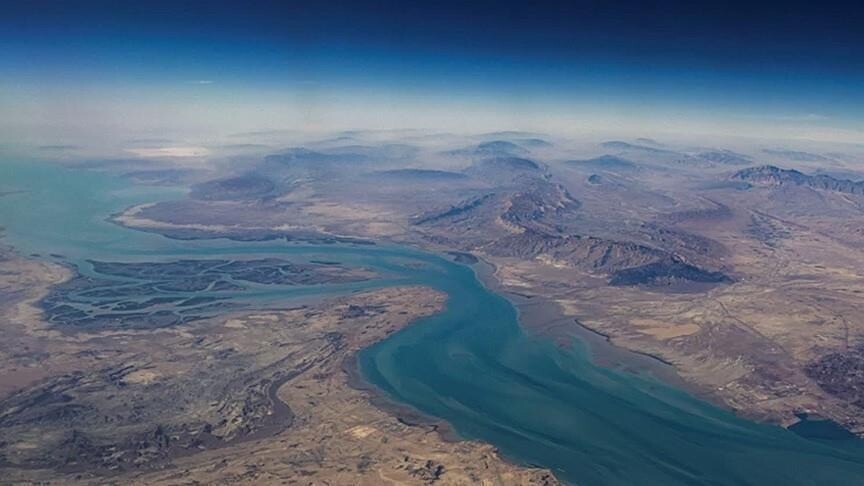
In the evolving landscape of geopolitics iran, President Donald Trump announced that he is postponing a planned U.S. military strike on Iran. He stated there is a very good chance for an agreement that would prevent Iran from acquiring nuclear weapons. This decision opens space for diplomatic efforts to advance while reducing immediate risks of broader conflict.
Trump Delays Strike on Iran
President Donald Trump announced he is holding off on a new attack against Iran to allow diplomacy to proceed. The move comes after initial planning for military action had been underway. Trump emphasized that the postponement stems from promising signals that an accord could be reached to keep Iran from developing nuclear arms. [2] This choice reflects a preference for negotiated outcomes over immediate force. Officials noted that the pause creates time for further discussions without committing troops or assets to an operation that might otherwise escalate quickly. [4] The announcement underscores the administration’s focus on preventing nuclear proliferation through talks rather than confrontation at this stage.
Houthi Leader Issues Warning
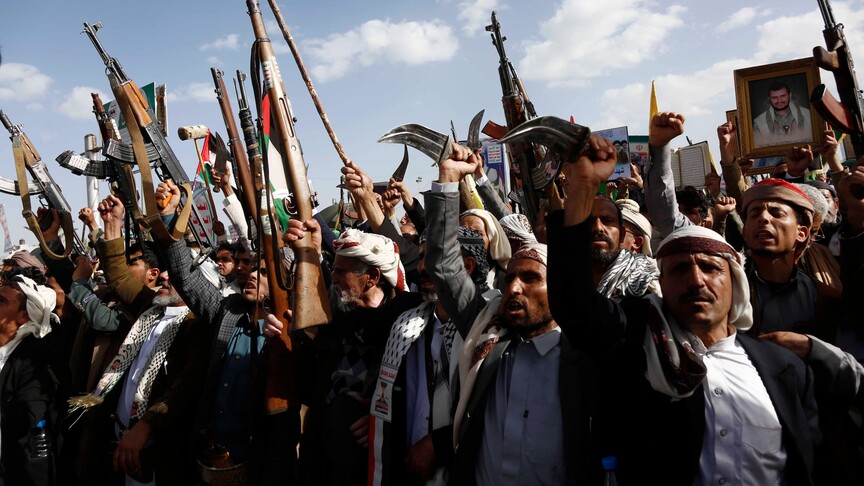
Yemen’s Houthi leader Abdul-Malik al-Houthi said the group is ready for any U.S. move against Iran. He warned that any new escalation would have serious consequences across the region. [1] The statement signals heightened vigilance among Houthi forces and their willingness to respond if tensions rise further. Regional observers note that such readiness could draw additional actors into any widening dispute. The warning highlights how actions involving Iran often extend beyond direct U.S.-Iran exchanges and affect neighboring conflicts. Al-Houthi’s remarks serve as a reminder that proxy dynamics remain sensitive to shifts in American policy toward Tehran.
Congressional Skepticism on Talks
Sen. Lindsey Graham expressed deep skepticism about Iran's apparent openness to renewed nuclear negotiations. [5] Even as the president postponed military plans, Graham urged caution and questioned whether Iranian commitments would prove reliable. His comments reflect longstanding congressional concerns over verification and enforcement of any new agreement. The senator’s position suggests that domestic political support for diplomacy may require stronger assurances before advancing. This skepticism adds a layer of complexity to the diplomatic window Trump has described.
Geopolitics Iran Context of U.S.-Iran Diplomacy
The immediate diplomatic opening cited by Trump centers on prospects for preventing Iran from acquiring nuclear weapons. [2] By holding off on the strike, the administration aims to test whether negotiations can deliver lasting restraints. [4] This approach aligns with prior patterns where military pressure is eased when talks appear viable. The decision keeps options open while avoiding the costs and uncertainties of direct conflict. Observers in geopolitics iran note that such pauses can either build momentum for accords or allow time for further posturing by all sides.
What to watch next is whether the diplomatic channel produces concrete steps on nuclear limits, how the Houthi leadership responds to any continued U.S. signals, and whether congressional voices like Sen. Graham influence the pace or terms of potential talks.






/file/attachments/orphans/PeterFab-Bozell-demarched2_299113.jpg)