
Israeli Strikes Kill Four and Destroy Hospital in Southern Lebanon
Casualties and Immediate Impact
Israeli strikes across southern Lebanon killed four people and wounded 20 others on Sunday, according to Lebanon’s health ministry. [3] Two women died in the town of Arab Salim in the Nabatieh district, while two other people were killed in Nabatieh al-Fawqa. [3] The provisional toll included several women and three children among the wounded, with additional casualties reported in Nabatieh and Kfar Rumman. [3] In Arab Salim, six people including two girls were wounded. [3] In Nabatieh al-Fawqa, two people were killed and two injured. [3] Further casualties occurred in Nabatieh’s al-Rahibat neighbourhood and in Kfar Rumman. [3] The strikes came a day after Israeli attacks killed five people in southern Lebanon, including an 18-year-old woman in Mayfadoun. [3]
Destruction of Civilian Infrastructure
An Israeli strike completely destroyed part of the Ghandour hospital in Nabatieh al-Fawqa, according to Lebanon’s National News Agency. [3] The hospital had been out of service for years prior to the attack. [3] A separate heavy strike in Nabatieh targeted a historic building and damaged offices used by the Lebanese finance and agriculture authorities along with nearby shops and cafes. [3] Israeli artillery later hit the outskirts of Aitaroun, the forested Jounine area and the Doha area of Kfar Rumman. [3] Lebanese authorities reported that 17 hospitals have been damaged by Israeli strikes since March 2. [5] The attacks added to the devastation of civilian infrastructure in the Nabatieh district. [3]
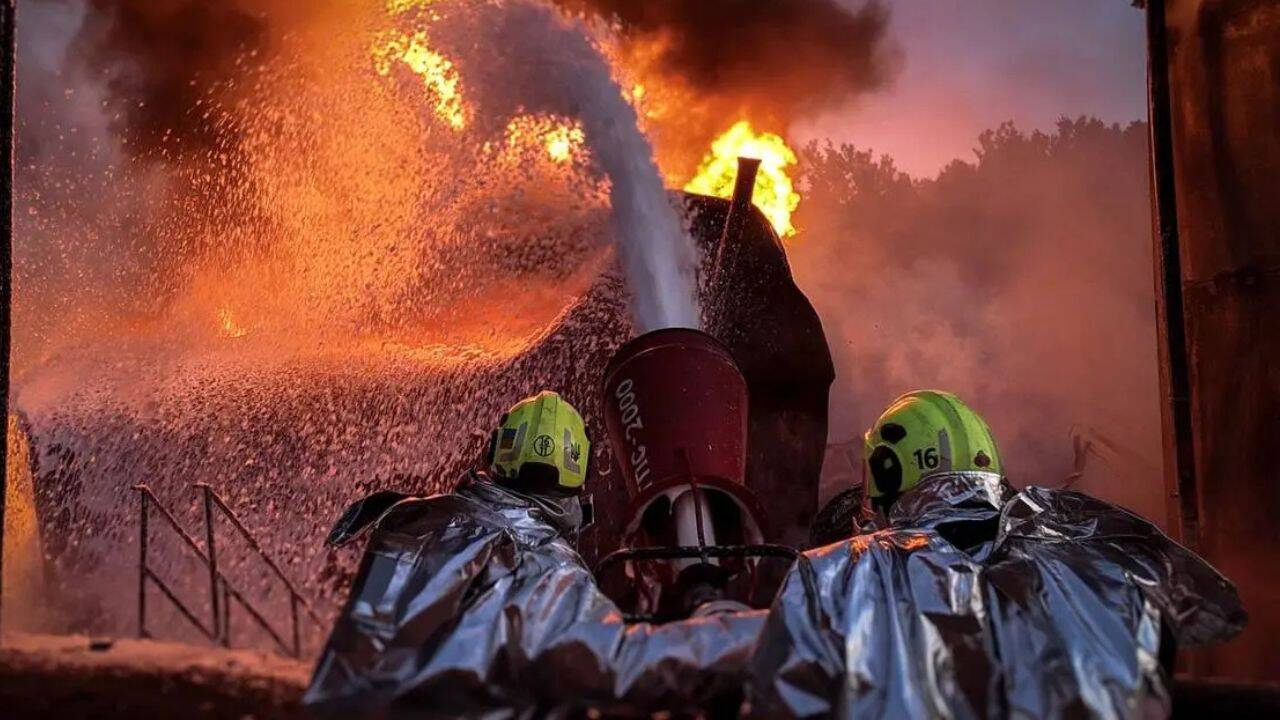
Israeli strikes destroyed part of Ghandour hospital in Nabatieh al-Fawqa, southern Lebanon. — Source: newsmax
Israeli Evacuation Warning and Justification
At around 6am local time, the Israeli military issued its first evacuation order in several weeks, directing residents within 300 metres of a building in Arab Salim to leave and describing the site as a Hezbollah facility. [3] The warning provided no evidence for the claim. [3] Israeli warplanes then struck a different house after the warning, destroying it and killing the two women, before subsequently attacking the building named in the notice. [3] Israel stated that it launched the strikes after Hezbollah fired two drones toward Israeli troops operating in southern Lebanon. [3] The Israeli military accused the group of a blatant violation of the ceasefire framework, although no Israeli casualties were reported. [3] Israeli strikes killed four people including two women in southern Lebanon on Sunday, according to the Lebanese health ministry, as Israel retaliated for what it said were Hezbollah drone attacks. [4]
Lebanese Government Response
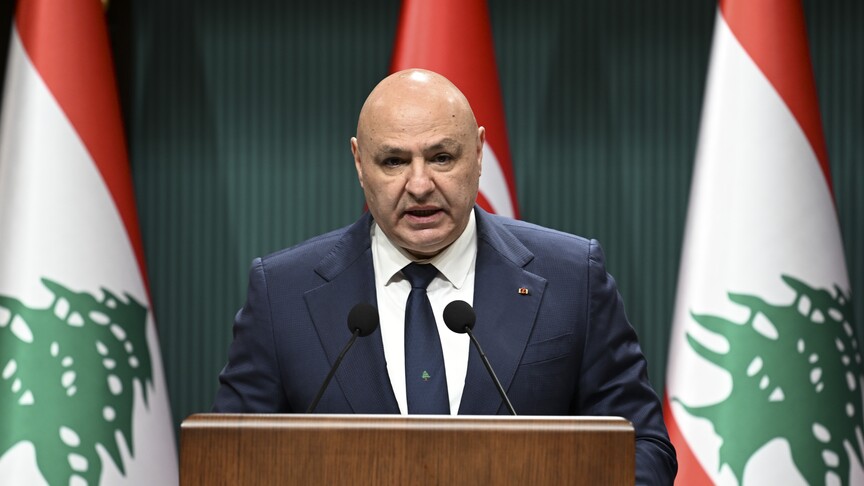
Lebanese President Joseph Aoun condemned the renewed Israeli strikes on Nabatieh and urged international action. [1] Aoun described the attacks on the Finance Ministry building and a hospital as a dangerous escalation. [1] The president’s statements followed the strikes that leveled part of the Ghandour hospital and damaged the historic building housing government offices. [1]
Broader Context and Ceasefire Violations
Israeli strikes have killed more than 4,300 people in Lebanon since Hezbollah entered the regional conflict in response to US-Israeli strikes on Iran in late February 2026. [3] The escalation coincided with reports that Israel’s military is considering a partial withdrawal from southern Lebanon, reducing the depth of its self-declared security zone from roughly 10km to between three and four kilometres from the border. [3] Israeli state broadcaster Kan reported that security officials had held internal discussions over creating a narrower zone, reportedly called the Gray Line, following Israeli operations at the strategic Ali al-Taher ridge. [3] Any redeployment would require political approval, the report said. [3] Israel claimed this week to have taken operational control of the ridge, which overlooks a large area of southeastern Lebanon and lies about 15km from the Israeli border. [3] The military said it had cleared underground Hezbollah routes there, while Israeli Defence Minister Israel Katz said troops would remain in the security zone until Hezbollah was disarmed. [3] Lebanese authorities and rights groups have repeatedly condemned Israel’s continued air strikes and ground presence as violations of the ceasefire arrangement. [3] Despite a U.S.-brokered ceasefire, Israeli strikes continued in southern Lebanon. [4]
Recent Escalation Pattern
Sunday’s attacks followed a day of Israeli strikes that killed five people in southern Lebanon. [3] The pattern shows intensified Israeli operations in the Nabatieh district in recent days. [3] Israeli artillery strikes targeted multiple areas in or near Nabatieh district following the main airstrikes. [3] The sequence of events included the first evacuation order in several weeks before multiple strikes hit both warned and unwarned sites. [3]
What to watch next: Reports indicate Israel’s military may seek a narrower security zone of three to four kilometres, with any change requiring political approval after operations at the Ali al-Taher ridge.