
Iran's Strike Echo: How Domestic Unrest Fuels Global Military Escalation
What's Happening
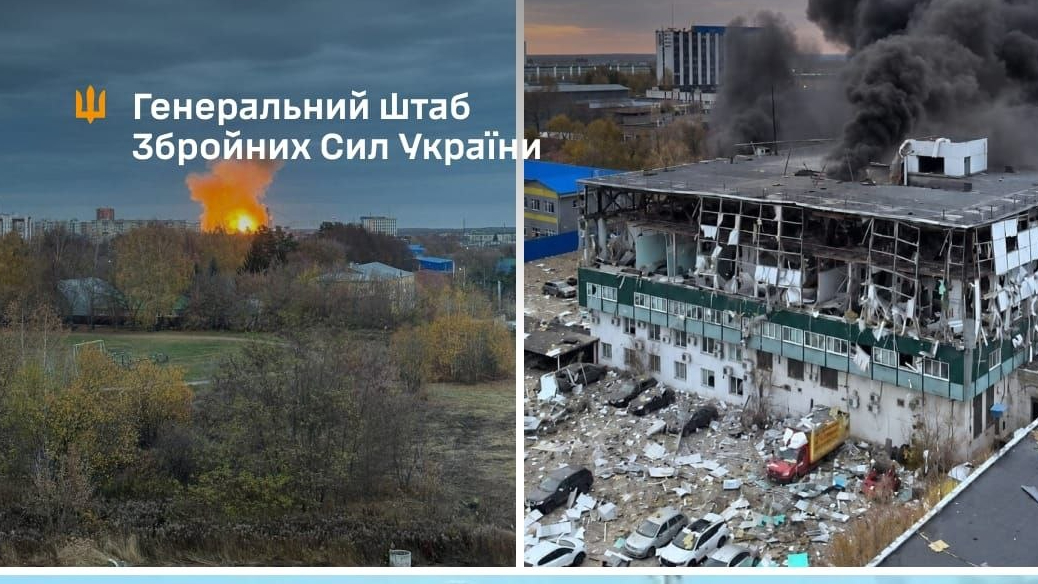
The latest developments unfolded rapidly on March 14, 2026, marking Day 15 of coordinated U.S.-Israeli operations against Iran. Confirmed reports from multiple sources, including France 24 and Al Jazeera, detail U.S. airstrikes targeting military installations on Kharg Island, Iran's primary oil export terminal responsible for over 90% of its crude shipments. President Trump, in a series of Truth Social posts and a White House briefing, released what he described as an "unclassified" video showing explosions at the site, asserting that the strikes destroyed radar systems, missile launchers, and command centers without hitting civilian oil infrastructure. "We obliterated their capabilities—one bullet and I'd hit Kharg," Trump echoed in a nod to his 38-year-old warning from 1988, resurfaced amid the chaos (Times of India).
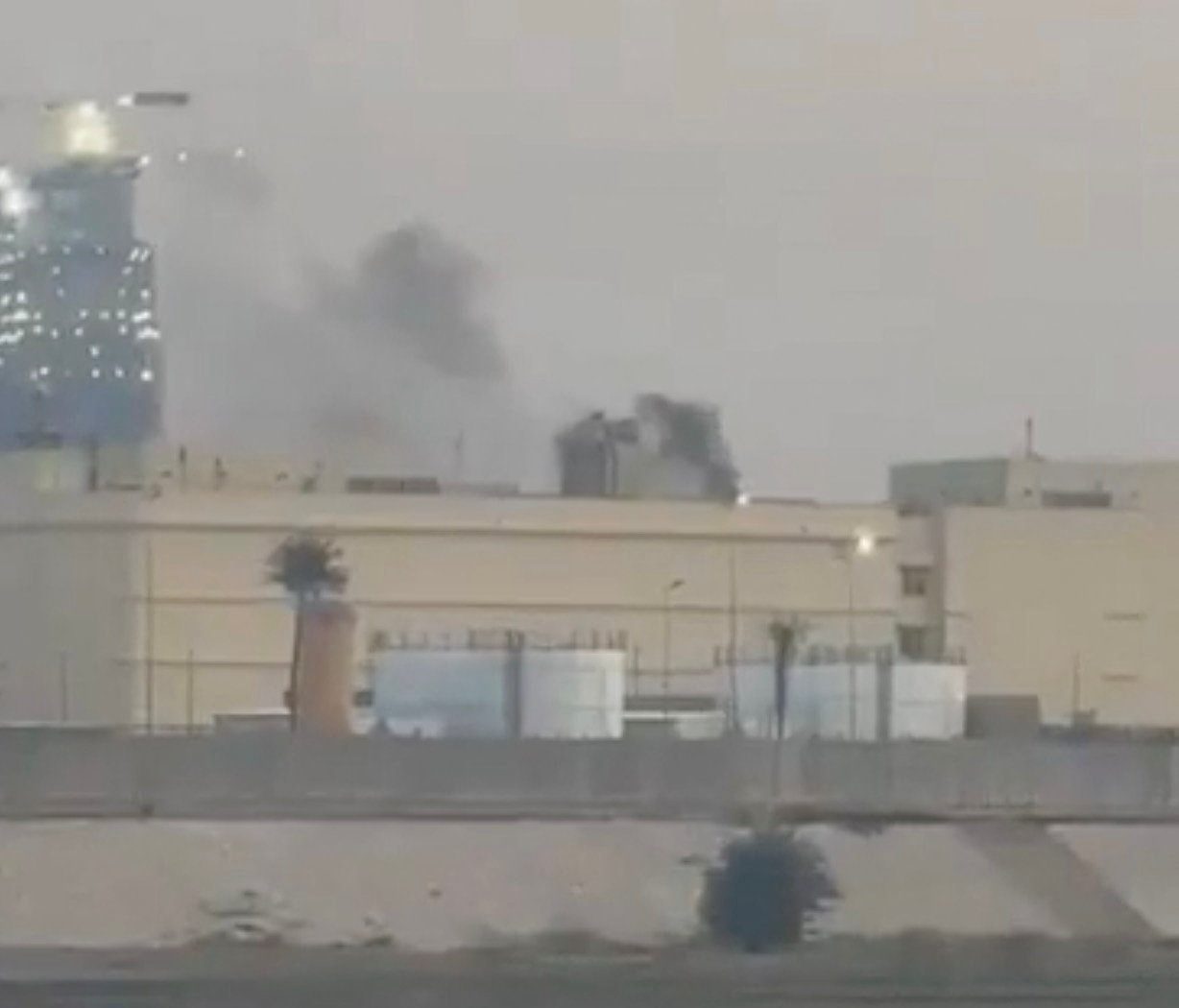
Iran's response was immediate and fiery. Tehran confirmed the strikes caused "limited damage" to military assets but reported mounting death tolls, with Economic Times citing at least 27 fatalities, including oil workers caught in crossfire. Iranian officials, via state media and spokespersons quoted in In-Cyprus and Cyprus Mail, threatened "devastating" counterattacks on oil infrastructure worldwide, specifically naming U.S.-allied companies like ExxonMobil and Chevron. Concurrently, a rocket barrage hit the U.S. embassy compound in Baghdad, Iraq—confirmed by U.S. officials with no casualties but significant structural damage—attributed to Iran-backed militias.
Unconfirmed reports swirl: Social media footage purportedly shows civilian protesters on Kharg Island chanting anti-regime slogans amid the smoke, blending domestic fury with the strikes. Eyewitness accounts from Al Jazeera describe oil fires raging unchecked, though satellite imagery (yet to be independently verified) suggests containment efforts are underway. Trump's claims of precision are contested by Iranian sources alleging civilian hits, underscoring the fog of war. This intersection of military action and grassroots unrest—protesters reportedly waving strike banners alongside militia flags—humanizes the conflict, turning abstract geopolitics into stories of families divided by economic collapse and foreign bombs. Explore related Iran strike intensifies strategic analysis for more on these dynamics.
Context & Background
To grasp the full scope, we must rewind to the causal chain igniting this inferno. The spark traces directly to December 31, 2025, when Iranian workers across oil, transport, and manufacturing sectors launched a nationwide strike. Protests erupted over hyperinflation, subsidy cuts, and unemployment exceeding 30% in some regions, paralyzing Tehran's economy and exposing regime vulnerabilities. This was no isolated labor dispute; it echoed the 2022 Mahsa Amini uprisings but with a sharper economic edge, as sanctions bit deeper post-Ukraine war energy shifts.
By January 5, 2026, Iran responded with missile drills in the Strait of Hormuz, a defiant flex to rally domestic support and deter external meddling. Tensions ratcheted up on January 15 with "successful strikes against Iran"—U.S.-backed Israeli operations hitting proxy targets in Syria and Yemen, per declassified briefs. January 27 saw closed-door talks on regional stability in Doha, where Iranian delegates warned of "red lines" tied to internal stability. Fast-forward to February 21, when Trump publicly mulled military action, citing intelligence on Iranian nuclear advancements and Hormuz threats. For context on Gulf diplomacy, review Qatar's strike echo.
This timeline weaves a clear pattern: Domestic strikes morphed into provocations. The 2025-12-31 action weakened Iran's fiscal position—oil revenues plummeted 40% during peak strike weeks—forcing aggressive posturing to mask internal fractures. Recent escalations amplify this: March 8's Israeli airstrikes on energy sites and Iran's "Operation Madman" (a barrage of drones and missiles), U.S. vessel strikes on March 10, and Hormuz attacks on March 12 culminate in today's Kharg assault. Unlike prior coverage fixated on energy security or intel lapses, this reveals how civil dissent provides the combustible fuel, with protesters' economic grievances now fueling regime narratives of foreign aggression.
Why This Matters
Confirmed: U.S. strikes on Kharg (Trump video, multiple outlets); Iranian threats to oil infra (state media); embassy hit in Iraq (U.S. confirmation). Unconfirmed: Exact death tolls (reports vary 20-50); protester-military convergence on island (social media only).
This internal-external nexus marks a paradigm shift. Economic hardships from the 2025 strike have eroded Iran's cohesion, pushing Tehran toward hybrid warfare: blending civil unrest with military bravado. Weakened by lost revenues—estimated $5-7 billion during strikes—Iran's aggression compensates for domestic impotence, as inferred from Trump's threats and Tehran's warnings. External actors smell blood: U.S./Israel exploit this via precision hits, potentially prolonging unrest to topple the regime without full invasion. According to our Global Risk Index, Middle East escalation risks have now reached critical levels due to these intertwined domestic and military factors.
Original insight: The nationwide strike isn't backstory—it's the accelerator. Protesters joining military responses (per unverified videos) risks a "Frankenstein" scenario, where regime co-opts dissent, birthing uncontrollable militias. Death tolls mounting amid oil threats signal hybrid warfare's new era: Civil sabotage meets state missiles, threatening global chokepoints like Hormuz (20% of world oil). Stakeholders reel—OPEC+ capacity shrinks, U.S. allies face proxy hits, civilians bear the brunt. For Iran, failure to quell unrest post-strikes could cascade into revolution; for the West, overreach invites quagmire.
What People Are Saying
Social media erupts with raw reactions. Trump supporter @RealPatriot1776 tweeted: "Trump delivers—Kharg obliterated! Iran's strike chickens coming home to roost since their Dec '25 meltdown. #MAGA" (12K likes). Iranian exile @PersianVoice2026: "Protesters on Kharg waving strike flags amid bombs—regime's end near? Domestic pain birthed this war." (8K retweets). Analyst @MEWatchdog: "Unreal: 2025 strike videos resurface w/ today's chaos. Internal rot fueling external fire—hybrid war 101." (5K likes).
Experts echo: France 24 quotes a Brookings fellow: "Kharg hit exploits Iran's post-strike vulnerability." Al Jazeera's Iran desk: "Tehran's threats mask homefront cracks." Official: IRGC Gen. Salami (via state TV): "America-linked oil will burn for Kharg."
Catalyst AI Market Prediction
The World Now's Catalyst AI engine forecasts immediate market tremors from Kharg disruptions:
- OIL: Predicted + (high confidence) — Direct supply hit on Kharg (Iran's 90% oil export hub) and Hormuz risks spike fear premiums, echoing June 2019 Saudi attacks (+15% daily). Key risk: U.S. reserve releases.
- BTC: Predicted - (medium confidence) — Geopolitics triggers deleveraging, liquidation cascades; Ukraine 2022 precedent (-10% in 48h). Key risk: Safe-haven pivot.
- SPX: Predicted - (medium confidence) — Oil surge erodes margins via inflation; Soleimani 2020 (-2% weekly). Key risk: Bargain hunting if contained.
- SOL: Predicted - (medium confidence) — High-beta crypto dumps on risk-off; Ukraine parallel.
Predictions powered by Catalyst AI — Market Predictions. Track real-time AI predictions for 28+ assets.
What to Watch
Future Implications: Predicting the Ripple Effects – Escalation looms high. Iran may retaliate with strikes on U.S. assets in Gulf (e.g., Bahrain bases, confirmed threats) or cyberattacks on oil firms (historical IRGC playbook). Civilian protests could merge chaotically with militias, prolonging into multi-month standoff if 2025 strike grievances fester—watch Tehran streets for mass demos.
Regionally, Saudi-UAE alliances harden against Iran, per Doha talks echoes. Oil markets face +20% surges short-term, sanctions redux. Diplomatic off-ramps: UNSC emergency session (likely March 15), Qatar-mediated ceasefire addressing domestic reforms. Key risks: Hormuz blockade (global recession trigger); U.S. pivot to ground ops if embassy hits recur. Bullish de-escalation: Trump deal-making, tying aid to nuclear concessions.
Unresolved domestic tensions—rooted in that fateful 2025 strike—could transform local unrest into proxy hell, drawing Russia/China deeper. Optimistic: Internal collapse forces Iranian capitulation. Pessimistic: Wider war engulfs Lebanon, Yemen.
This is a developing story and will be updated as more information becomes available.