
Strike in Lebanon: Israel Conducts Airstrikes in Bekaa Valley Violating Ceasefire
Israel has conducted strikes in Lebanon's Bekaa Valley, violating the US-brokered ceasefire that began on April 16.[1] These actions represent a significant escalation in the ongoing tensions between Israel and Hezbollah, as the ceasefire has reduced but not entirely stopped exchanges of fire.[1] In this strike Lebanon development, Israeli Prime Minister Benjamin Netanyahu has emphasized the persistent threats posed by Hezbollah's rockets and drones, justifying continued military responses.[2] Meanwhile, Lebanese President Joseph Aoun has leveled strong accusations against those drawing Lebanon deeper into the conflict.[2]
Overview of Recent Strikes
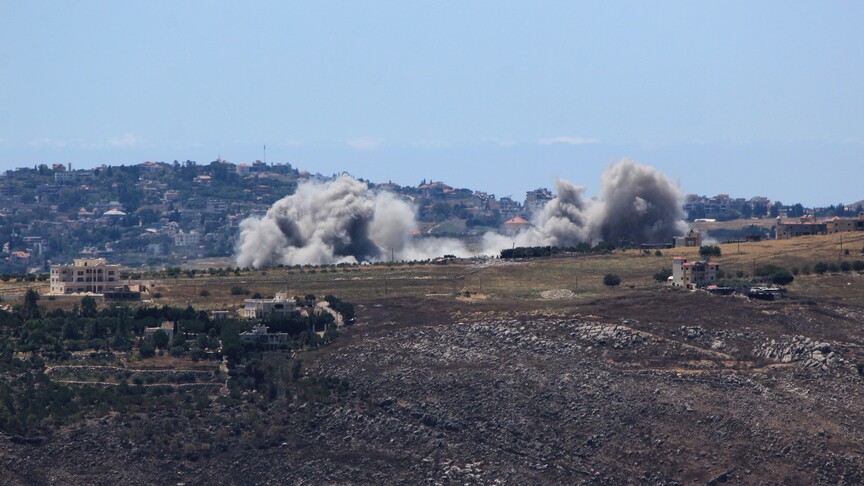
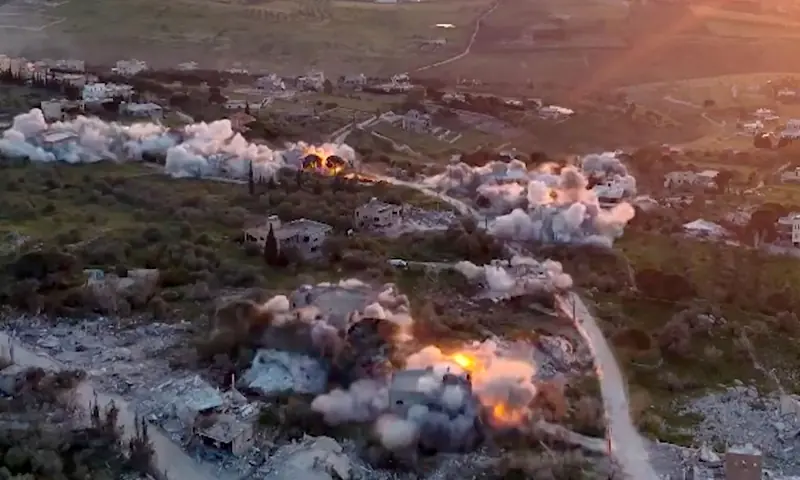
The Israeli military initiated a series of strikes targeting Lebanon's eastern Bekaa Valley on Monday, marking a notable expansion in the scope of its bombing campaign.[1] This strike Lebanon incident is particularly significant because it constitutes the first time the Bekaa Valley has been directly hit since the ceasefire took effect.[1] According to reports from Beirut, these airstrikes occurred amid a broader pattern of military activity that has persisted despite the fragile truce.[1] The Bekaa Valley, located in eastern Lebanon, had previously been spared from such direct assaults, making this development a clear shift in Israel's operational focus.[1]
Details from the scene indicate that the strikes were part of Israel's ongoing efforts to address perceived threats from Hezbollah positions in the region.[1] The military's decision to target this area underscores the challenges in containing the conflict geographically, as hostilities have not been fully geographically confined even after the ceasefire's implementation.[1] Eyewitness accounts and initial reports highlight the precision of the airstrikes, aimed at specific sites believed to be associated with Hezbollah infrastructure.[1] This action not only violates the ceasefire terms but also signals Israel's willingness to broaden its strike zones when intelligence deems it necessary.[1]
Furthermore, the timing of these strikes—coming shortly after periods of relative calm—illustrates the volatile nature of the front line.[1] Lebanon's eastern regions, including the Bekaa Valley, have long been considered a stronghold for Hezbollah activities, and Israel's move here expands the conflict's footprint.[1] Military analysts note that such strikes are designed to degrade capabilities proactively, preventing potential launches from these areas.[1] The immediate aftermath saw no confirmed casualties reported in available updates, but the strikes have heightened local anxieties about further incursions.[1]
Ceasefire Context
The US-brokered ceasefire, which commenced on April 16, was intended to de-escalate the intense exchanges between Israel and Hezbollah that had characterized prior months.[1] However, the agreement has proven limited in its effectiveness, significantly reducing the pace of attacks but failing to entirely stop the exchanges of fire.[1] This partial success has allowed for sporadic incidents on both sides, maintaining a state of low-level hostilities rather than achieving full cessation.[1]
From the outset, the ceasefire faced skepticism due to the deep-seated animosity and ongoing military preparations by both parties.[1] Israel's continued strikes across various parts of Lebanon demonstrate that the truce does not preclude defensive or preemptive actions in response to perceived violations.[1] Hezbollah, for its part, has maintained a presence that Israel views as provocative, contributing to the cycle of retaliation.[1] The Bekaa Valley strikes exemplify how the ceasefire's limitations allow for such expansions, as the agreement lacks robust enforcement mechanisms.[1]
Historical context reveals that previous truces in the region have similarly faltered under the weight of mutual distrust.[1] The April 16 ceasefire was hailed initially for slowing rocket fire and aerial incursions, yet the persistence of drone activities and border skirmishes has eroded its stability.[1] US mediation played a key role in its negotiation, aiming to prevent a wider regional war, but ground realities have tested its resilience.[1] As a result, the Bekaa Valley event serves as a stark reminder of the ceasefire's fragility, with both sides interpreting its terms through their strategic lenses.[1]
Statements from Israeli Leadership
Israeli Prime Minister Benjamin Netanyahu addressed the nation on Monday, underscoring that Hezbollah's rockets and drones continue to pose a key threat necessitating military action.[2] His remarks came as Israel's army expanded its strikes on Lebanon, directly linking the Bekaa Valley operations to this ongoing security calculus.[2] Netanyahu's statement reflects a firm stance that the ceasefire does not impede Israel's right to self-defense against immediate dangers.[2]
In detailing the threats, Netanyahu highlighted the sophistication and range of Hezbollah's arsenal, including drones capable of deep incursions into Israeli airspace.[2] He argued that failing to act would leave Israel vulnerable, justifying the expansion of strikes despite the truce.[2] This position aligns with Israel's broader military doctrine of proactive engagement to neutralize risks before they materialize.[2] Netanyahu's comments also serve to rally domestic support, framing the actions as essential for national security amid ceasefire imperfections.[2]
The prime minister's emphasis on rockets and drones points to specific intelligence assessments driving these decisions.[2] By publicly articulating this rationale, Netanyahu reinforces the narrative that Israel's hands are tied by Hezbollah's intransigence.[2] His words have resonated in military circles, where expanded operations are seen as calibrated responses rather than outright violations.[2]
Lebanese Official Response
Lebanese President Joseph Aoun responded to the escalating situation by stating that direct negotiations with Israel are aimed at ending the Israel-Hezbollah war.[2] In a pointed critique, Aoun accused those who dragged Lebanon into the conflict of committing "treason," in an apparent reference to Hezbollah's actions, including claimed attacks on Israeli targets in south Lebanon.[2] This rhetoric marks a rare public rebuke from Lebanese leadership toward the Iran-backed group, highlighting internal divisions over the war's cost.[2]
Aoun's comments underscore Lebanon's precarious position, caught between Hezbollah's militancy and Israel's military might.[2] By invoking treason, he seeks to delegitimize escalatory moves that prolong suffering for Lebanese civilians.[2] The president's advocacy for negotiations reflects a desire for diplomatic off-ramps, contrasting with Hezbollah's confrontational posture.[2] Reports indicate that Hezbollah has claimed responsibility for several attacks in south Lebanon, fueling the cycle Aoun decries.[2]
This official stance could signal shifting dynamics within Lebanon's political landscape, where fatigue with the conflict is growing.[2] Aoun's jab at the group responsible for involving Lebanon positions him as a voice for restraint, potentially influencing future ceasefire talks.[2]
Broader Implications
The Bekaa Valley strikes and associated rhetoric illustrate the ceasefire's failure to fully halt hostilities, with Israel expanding its bombing campaign across Lebanon.[1][2] Netanyahu's insistence on action against Hezbollah threats coincides with these military moves, suggesting a strategy of sustained pressure.[2] Meanwhile, Aoun's treason accusations highlight Lebanon's internal fractures, exacerbated by groups claiming attacks on Israel.[2]
Ongoing exchanges of fire, though reduced, persist, raising risks of wider escalation.[1] Israel's strikes in new areas like the Bekaa Valley expand the conflict's scope, testing the US-brokered truce's limits.[1] Hezbollah's rocket and drone capabilities remain central to Israel's concerns, driving preemptive responses.[2] Lebanon's leadership views such involvement as detrimental, advocating negotiations to extricate the country.[2]
These developments portend continued volatility, with both sides entrenched in their positions.[1][2]
What to watch next: Observers should monitor for further Israeli strikes in eastern Lebanon and Hezbollah's responses, as well as progress in direct negotiations amid accusations of ceasefire violations and persistent rocket-drone threats.[1][2]