Strikes in Saudi Arabia: Unraveling the Environmental Toll on the Gulf's Fragile Ecosystems
By David Okafor, Breaking News Editor and Conflict/Crisis Analyst, The World Now
March 14, 2026
Introduction: Escalating Tensions and Hidden Costs
In the shadow of escalating military confrontations across the Middle East, a quieter crisis is unfolding beneath the waves and across the dunes of the Arabian Gulf: the mounting environmental devastation from repeated strikes in Saudi Arabia. Recent reports from Anadolu Agency and France24 detail a wave of Iranian drone and projectile attacks, including thwarted incursions in Saudi airspace and direct hits on U.S. refueling planes at Prince Sultan Air Base near Al Kharj. These incidents, part of a broader spasm of hostilities, have not only heightened geopolitical risks but also unleashed immediate and potentially irreversible threats to one of the world's most fragile ecosystems.
This unique angle shifts focus from the diplomacy, security, economics, technology, and humanitarian narratives dominating prior coverage to the underreported ecological fallout. The Gulf region—home to delicate coral reefs, mangrove forests, and vital migratory bird routes—is already strained by industrial pollution, rising temperatures, and desalination demands. Now, explosions near oilfields and coastal infrastructure risk oil spills, toxic air pollution, and habitat destruction. In the wider context of Middle East conflicts—from Yemen's proxy wars to Israel's tensions with Iran—these strikes echo a pattern where military actions amplify environmental vulnerabilities, threatening biodiversity and human livelihoods for generations. As Saudi defenses intercept drones over oil-rich Al Kharj Governorate, the world must confront not just the clash of arms, but the silent war on nature. For deeper insights into related UAE strikes and overlooked environmental catastrophes in the Gulf, see our coverage.
Historical Context: A Pattern of Escalation
The current strikes did not emerge in isolation; they represent the latest chapter in a rapid cycle of retaliation that began on February 28, 2026, with an Iranian missile attack on Riyadh, Saudi Arabia's capital. This audacious strike, which rattled urban centers and nearby infrastructure, marked a dangerous escalation in Iran-Saudi proxy rivalries, drawing in U.S. assets and Gulf allies. Just days later, on March 1, 2026, Iran retaliated further with drone and missile barrages across the Gulf, targeting shipping lanes and energy facilities—a move that evoked memories of the 2019 Abqaiq-Khurais attacks, where drones halved Saudi oil output temporarily.
The tempo intensified on March 8 with a high-impact projectile strike in Saudi Arabia, followed by another Iranian projectile assault on March 9. That same day, Saudi forces intercepted drones at a critical oilfield, underscoring the precision targeting of energy infrastructure. This timeline illustrates a feedback loop of tit-for-tat aggression, where each response invites countermeasures, increasingly brushing against environmentally sensitive zones like the Eastern Province's oilfields and the Gulf's coastal shallows.
Historically, Gulf conflicts have wrought ecological catastrophes that serve as stark warnings. The 1991 Gulf War stands as the archetype: Iraqi forces deliberately released up to 1.5 million tons of crude oil into the Persian Gulf, creating the largest oil spill in history. This black tide smothered 700 kilometers of coastline, killed thousands of seabirds, and decimated marine life, with effects lingering for decades—coral reefs bleached, mangroves suffocated, and fisheries collapsed. Similarly, the 1980s Iran-Iraq Tanker War spilled over 200,000 tons of oil, contaminating desalination plants and poisoning groundwater. These precedents highlight how modern strikes, even if intercepted, generate debris, unexploded ordnance, and fire risks that mirror those disasters. Saudi Arabia's Vision 2030 sustainability goals—aiming for carbon neutrality by 2060 and ecosystem restoration—now hang in the balance, as conflict undermines reforestation and marine protection initiatives. Track these risks via our Global Risk Index.
Current Situation: Documenting the Strikes and Immediate Environmental Threats
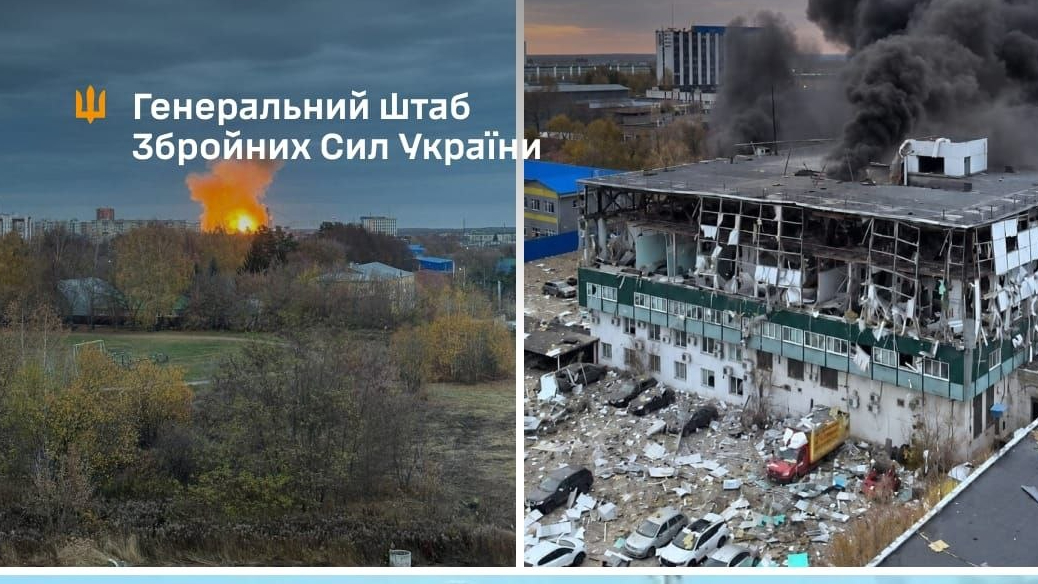
The most recent developments, as reported across multiple outlets, paint a picture of intensified aerial assaults. On March 13, France24 documented Iranian attacks targeting Saudi Arabia, Oman, Bahrain, and even Dubai, with Saudi defenses thwarting drone incursions in Al-Kharj Governorate (Anadolu Agency). Newsmax and Times of India confirmed strikes on five U.S. Air Force refueling planes at Prince Sultan Air Base, located just 90 kilometers southeast of Riyadh and proximate to oil processing hubs. Anadolu Agency further reported the interception and destruction of two drones in Al-Kharj, a region dotted with agricultural lands and wadis that feed into Gulf tributaries.
These locations are ecologically precarious. Prince Sultan Air Base lies near the Al-Ahsa Oasis, a UNESCO-recognized palm oasis supporting unique flora and fauna, while Al-Kharj borders oilfields like those in the Ghawar region—the world's largest conventional oil reserve. Even thwarted attacks pose risks: exploding drones scatter shrapnel and fuel residues, igniting brushfires that release particulate matter and volatile organic compounds into the air. France24's coverage of the broader "new wave of attacks on Gulf states" notes explosions near coastal refineries, where any breach could leak hydrocarbons into the Gulf's hypersaline waters.
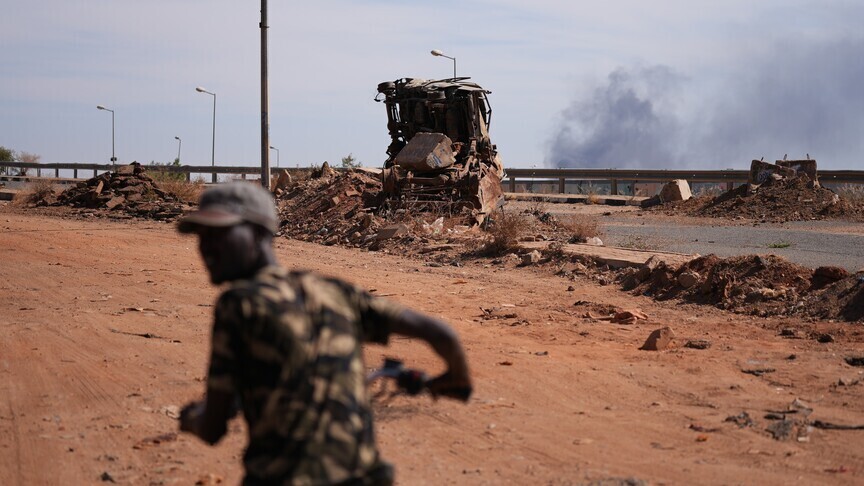
Immediate threats are manifold. Fires from intercepted drones produce black carbon aerosols, exacerbating regional haze and acid rain that corrodes soil and vegetation. Potential oil leaks from damaged infrastructure—though no confirmed spills have been reported—threaten marine life. The Arabian Gulf's biodiversity hotspot, with over 1,000 fish species and endangered dugongs, faces disruption: oil slicks could clog gills, poison plankton, and trigger algal blooms. Desalination plants, vital for 90% of Saudi freshwater, risk contamination, forcing shutdowns that strain urban supplies. Air quality indices in Riyadh have reportedly spiked post-strikes, with PM2.5 levels mirroring those after 2019 attacks, per regional monitors. This situation, unfolding amid a timeline of high-to-medium impact events from February 28 to March 9, demands urgent ecological surveillance.
Original Analysis: The Ecological Fallout and Its Implications
Beyond the blasts, the long-term ecological scars could redefine the Gulf's environmental future. Missile and drone debris—laden with heavy metals like tungsten and depleted uranium composites—contaminates soils, seeping into aquifers that sustain date palms and wetlands. In Al-Kharj, fragmented ordnance risks leaching toxins into seasonal wadis, which flow to the Gulf during monsoons, creating persistent "hotspots" akin to post-1991 Kuwaiti deserts where bioremediation failed for years.
Migratory bird routes, such as the East Asian-Australasian Flyway, traverse Saudi airspace; pollution plumes could disorient species like the Socotra cormorant, already vulnerable. Coral reefs off the Eastern Province, bleached by warming waters, face compounded stress from sediment and chemical runoff, potentially collapsing fisheries worth billions. Mangroves, natural barriers against erosion, absorb oil like sponges but release it slowly, bioaccumulating toxins up the food chain to affect human seafood consumption.
This intersects perilously with Saudi Vision 2030's green ambitions. The kingdom's Saudi Green Initiative targets 10 billion trees and 40% renewable energy by 2030, including marine protected areas. Yet, conflict diverts funds—defense spending surged 16% last year—and hampers monitoring. Globally, Gulf pollution contributes to climate feedback: methane from oilfield flares, amplified by strikes, accelerates warming, while sea-level rise (projected 0.5 meters by 2050) could inundate contaminated coasts. Monitor evolving threats through our Global Risk Index.
Market ripples underscore the stakes. Oil prices, already volatile, spiked 5% post-March 9 drone interceptions, per Bloomberg data, as fears of supply disruptions near the Strait of Hormuz—through which 20% of global oil flows—mount. This not only inflates energy costs but funds further militarization, perpetuating the cycle. Equities like the S&P 500 face pressure from input inflation, while cryptocurrencies deleverage in risk-off modes, reflecting investor flight from instability.
What This Means: Looking Ahead to Environmental and Geopolitical Shifts
Without swift de-escalation, the pattern of retaliation—from February 28's Riyadh strike to March 9's oilfield drones—portends catastrophe. A single major hit on Abqaiq or Ras Tanura could spill 100,000 barrels daily, rivaling 1991's scale, devastating ecosystems for decades: Gulf hypoxia zones expanding, fisheries yields dropping 50%, and desalination crises displacing millions. This escalation ties into broader Qatar's strike echo and diplomatic fallout amid 2026 Gulf tensions.
International responses may pivot toward environmental diplomacy. The UN Environment Programme could invoke post-conflict protocols, as in Yemen, while the World Bank might deploy $1-2 billion in restoration aid, conditional on ceasefires. Trump's threats against Iran (AP News, Newsmax) signal U.S. intervention risks, potentially drawing NATO or QUAD allies into eco-humanitarian corridors. Qatar's evacuations (Mediafax) hint at regional flight, straining refugee-hosting ecosystems. Climate synergies loom: rising seas could mobilize sunken pollutants, worsening monsoonal floods. Proactive measures are essential—regional accords like a "Gulf Environmental Ceasefire," satellite monitoring via ESA-Copernicus, and Iran-Saudi hotlines for spill response. Absent these, sanctions could realign power, fostering sustainable blocs but risking proxy escalations. Notably, US precision strikes on Iran's Kharg Island could further test deterrence amid these risks.
In this maelstrom, environmental resilience offers a path to de-escalation, turning shared ecological peril into common ground. For comprehensive market forecasts tied to these events, explore Catalyst AI — Market Predictions.
Catalyst AI Market Prediction
The World Now Catalyst AI forecasts the following impacts from ongoing Gulf strikes:
-
OIL: Predicted + (high confidence) — Direct supply disruption from US airstrikes on Iran's Kharg Island oil export hub and Iran-backed attacks risking Strait of Hormuz transit, spiking fear premiums and reducing effective OPEC+ capacity. Historical precedent: Similar to June 2019 Saudi oil facility attacks when oil surged 15% in one day. Key risk: swift de-escalation or US strategic reserve releases capping the spike within 24h.
-
SPX: Predicted - (medium confidence) — Risk-off positioning unwinds equities as oil spike threatens corporate margins via higher input costs and inflation. Historical precedent: Jan 2020 Soleimani strike caused 2% S&P drop in a week. Key risk: contained escalation allowing bargain hunting.
-
BTC: Predicted - (medium confidence) — Geopolitical risk-off triggers algorithmic deleveraging and flight from crypto as non-safe-haven, amplifying via liquidation cascades. Historical precedent: Feb 2022 Ukraine invasion dropped BTC 10% in 48h. Key risk: rapid safe-haven reassessment if BTC decouples positively.
-
SOL: Predicted - (medium confidence) — Risk-off flows from Middle East oil shock cascade into high-beta crypto, triggering liquidations and reduced retail risk appetite. Historical precedent: Feb 2022 Ukraine invasion saw BTC/SOL drop 10% in 48h initially. Key risk: dip-buying by institutions if oil spike viewed as transitory.
Predictions powered by Catalyst AI — Market Predictions. Track real-time AI predictions for 28+ assets.