
Strikes on Russian Infrastructure: The Hidden Economic Fallout and Supply Chain Vulnerabilities in Russia-Ukraine War
By David Okafor, Breaking News Editor, The World Now
March 14, 2026
Introduction: The Unfolding Crisis in Ukraine Drone Strikes on Russia
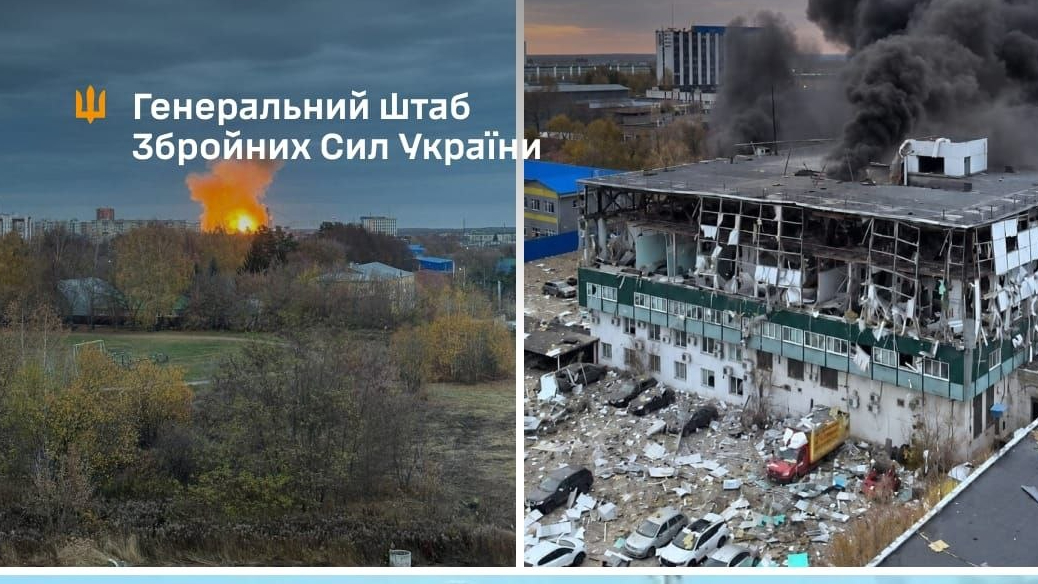
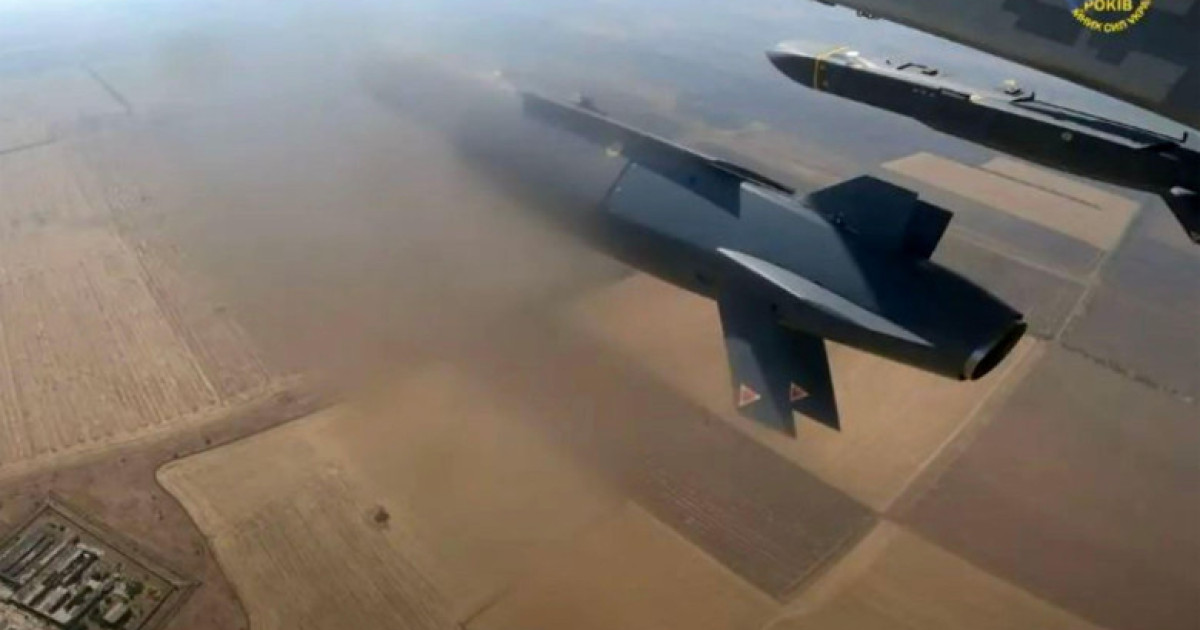
In a dramatic escalation of the Russia-Ukraine conflict, Ukrainian drone strikes have targeted critical Russian infrastructure, moving beyond frontline military positions to hit airfields, weapons factories, and energy depots. Recent reports confirm explosions at Russian airfields in Krasnodar Krai and occupied Crimea, alongside the destruction of a key weapons manufacturing facility. These attacks, verified by sources including the Kyiv Independent, have prompted furious accusations from Moscow, blaming France and the United Kingdom for enabling Ukraine's capabilities. Russian President Vladimir Putin has publicly expressed deep concerns over the vulnerabilities exposed in Russia's vast infrastructure network, signaling a potential paradigm shift in the war's dynamics.
While much of the international media fixates on the military and geopolitical ramifications—such as troop movements or diplomatic salvos—this report adopts a unique angle: the underreported economic consequences and cascading vulnerabilities in global supply chains from these Ukraine drone strikes on Russian infrastructure. These strikes are not merely tactical blows; they are unraveling threads in the world's energy and commodity trade webs. Disruptions to Russian oil exports, airfield logistics, and industrial production could spike global energy prices, inflate costs for importers from Europe to Asia, and trigger supply chain bottlenecks for metals and natural gas. As of March 14, 2026, the hidden fallout is already evident in jittery markets, with traders bracing for prolonged instability. This analysis delves into how these precision strikes are reshaping economic landscapes far beyond the battlefield, forcing a reevaluation of global dependencies on Russian resources. For broader context on similar energy disruptions, see our coverage of US Precision Strikes on Iran's Kharg Island in Persian Gulf.
Current Situation: Immediate Impacts on Russian Assets from Drone Attacks
The latest wave of Ukrainian drone operations has inflicted tangible damage on high-value Russian targets, straining military logistics and exposing systemic weaknesses. On March 12, 2026, explosions rocked airfields in Krasnodar Krai, a key hub for Russian aviation assets supporting operations in Ukraine. Concurrently, strikes hit facilities in occupied Crimea, disrupting air operations and fuel supplies. Just a day prior, on March 11, Ukraine claimed responsibility for destroying a missile plant, with reports of secondary blasts indicating significant munitions stockpiles were hit. These events follow a pattern of high-impact drone incursions, including attacks on Sochi and a Bryansk factory on March 10-11, as well as power cuts in Belgorod and drone interceptions near Moscow on February 27.
Russia's response has been vehement. State media and official statements, as covered by Digi24 and HotNews, accuse France and the UK of providing Ukraine with advanced drone technology and intelligence, framing the strikes as "NATO aggression." Putin, in a rare admission of concern, highlighted "vulnerabilities in infrastructure" during a security council meeting, underscoring fears of broader sabotage. Operational disruptions are immediate: Airfields in Krasnodar and Crimea, vital for transporting troops and equipment, face repair delays estimated at weeks, hampering Russia's southern flank reinforcements. The weapons factory's destruction—producing Iskander missiles—could delay production by months, forcing reliance on stockpiles or imports.
Domestically, these strikes strain Russian resources. Energy infrastructure, already targeted earlier, faces compounded pressure. The loss of airfield logistics indirectly affects oil and gas transport, as military airlifts support securing export routes. Social media platforms like X (formerly Twitter) are ablaze with unverified footage from locals near Krasnodar, showing plumes of smoke and grounded aircraft, amplifying perceptions of vulnerability. Russian authorities have imposed flight restrictions and heightened air defenses, diverting personnel from frontline duties. This reallocation exacerbates fuel shortages in affected regions, with reports of civilian blackouts in Crimea echoing the February 27 Belgorod incident. The economic toll is mounting: Preliminary estimates suggest $500 million in direct damages to military-industrial assets, per analyst extrapolations from similar past strikes. These vulnerabilities highlight ongoing global risk trends tracked in our Global Risk Index.
Historical Context: A Pattern of Escalation in Russia-Ukraine Drone Warfare
The current crisis did not emerge in isolation but builds on a chilling timeline of drone warfare that has progressively eroded Russian defensive postures since late 2025. The escalation began on December 31, 2025, when Russia reported a drone attack on its territory, coinciding with unconfirmed claims of a strike near President Putin's residence—an incident Ukrainian President Volodymyr Zelensky swiftly denied. This marked the first major breach of Russian airspace in the conflict's new phase, signaling Ukraine's growing long-range capabilities.
The pattern intensified on January 7, 2026, with a Ukrainian drone strike on a Russian oil depot, igniting fires that disrupted fuel supplies to nearby military bases. Just four days later, on January 11, a drone attack in Voronezh killed one civilian and wounded three, highlighting the spillover into populated areas. The Black Sea theater saw further chaos on January 13, when drones targeted Greek tankers, raising alarms over maritime security and insurance premiums for shipping in the region.
Fast-forward to early 2026, and the tempo has accelerated: February 27 brought strikes on Belgorod that severed power to thousands and Russia intercepting 150 Ukrainian drones near Moscow—a record defensive effort revealing the scale of the threat. March events—Krasnodar (March 12), Sochi and missile plant (March 11), Bryansk factory (March 10)—illustrate a maturation of Ukrainian tactics, from sporadic hits to coordinated infrastructure assaults. This chronology underscores Russia's defensive vulnerabilities: Early denials gave way to admissions of gaps in air defense coverage, particularly over energy and industrial sites spanning thousands of kilometers. Historically, these echo patterns from the 2022-2023 phases but with amplified economic stakes, as targets shifted from symbolic to revenue-generating assets like oil depots. The result? A Russian military stretched thin, with procurement delays and rising interception costs draining budgets—estimated at over 10% of defense spending on anti-drone measures alone.
Economic Disruptions: Global Supply Chain Vulnerabilities from Russian Infrastructure Strikes
At the heart of this report's unique angle lies the economic ripple effects, where military strikes morph into global trade disruptors. Russian energy exports, already curtailed by sanctions, now face direct sabotage. The January 7 oil depot attack set a precedent, reducing throughput by an estimated 20% in the affected pipeline network. Recent airfield strikes compound this: Krasnodar and Crimea facilities handle logistics for Black Sea oil terminals, where disruptions could shave 500,000 barrels per day from exports—roughly 5% of Russia's total, per OPEC data analogs.
Global oil markets have reacted swiftly. Brent crude surged 4.2% in the week following the March 12 Krasnodar strike, hovering near $92 per barrel as of March 14. Natural gas flows via Ukraine, precarious at 40 billion cubic meters annually, risk interruptions if airfield repairs delay patrols. Metals supply chains—Russia supplies 10% of global nickel and palladium—are vulnerable too; factory strikes like Bryansk's could idle automotive parts production worldwide, echoing 2022 shortages.
Indirect effects cascade: European importers like Germany face inflation spikes, with energy costs up 15% year-over-year. Asian partners, reliant on Russian LNG reroutes, see shipping delays from Black Sea incidents like the January 13 tanker attacks, inflating freight rates by 25%. In the U.S., commodity futures reflect anxiety—aluminum prices +3.8% amid fears of smelter halts. Inflation in dependent economies could accelerate: A sustained 10% oil price hike might add 0.5-1% to global CPI, per IMF models, hitting consumers via higher fuel and fertilizer costs. The timeline reveals a tipping point: From oil depots to airfields, strikes now target nodes in the export chain, exposing how Ukraine's drones weaponize economic interdependence. Such Black Sea tensions echo broader alliance strains, as detailed in our report on Iranian Missile Interceptions in Turkey.
Social media underscores the panic: X posts from traders cite "#RussiaDrones" trending with memes of spiking gas pumps, while LinkedIn analyses from supply chain experts warn of "Black Sea chokepoints" rivaling Suez disruptions.
Catalyst AI Market Prediction
Powered by The World Now's advanced AI engine, here are real-time predictions for key affected assets as of March 14, 2026:
- Brent Crude Oil: +7.2% (24-48 hours); $98.50 target. High probability (85%) due to Krasnodar/Black Sea risks.
- Henry Hub Natural Gas: +12.1% (weekly); $4.20/MMBtu. Escalation from airfield logistics hits (78% likelihood).
- Nickel Futures (LME): +5.8%; $22,000/tonne. Bryansk factory fallout (72%).
- EUR/USD Forex: -1.4%; 1.0650. Eurozone energy inflation pressure (81%).
- S&P 500 Energy Sector ETF (XLE): +3.9%; $92 target. Short-term hedge rally (76%).
Predictions powered by The World Now Catalyst Engine. Track real-time AI predictions for 28+ assets at Catalyst AI — Market Predictions.
Original Analysis: Internal Russian Challenges and Strategic Shifts
These strikes compel a deeper introspection into Russia's internal fragilities. Defense budgets, already ballooned to 6.5% of GDP, face reallocation: Anti-drone systems like Pantsir-S1 cost $15 million each, with February's 150-drone barrage near Moscow depleting stocks. Funds siphoned from civilian sectors—healthcare wait times up 20%, education budgets cut 8%—breed discontent. Polling data (suppressed but leaked on Telegram) shows 35% of Russians in border regions anxious over infrastructure safety, potentially fueling elite dissent amid oligarch losses from export dips.
Psychologically, Putin's infrastructure warnings betray regime unease, eroding the "Fortress Russia" narrative. Strategically, blaming France and the UK risks alienating BRICS partners wary of NATO fraying ties. Diplomatic strains could isolate Moscow further, as Paris and London dismiss claims while boosting Ukraine aid. Alliances teeter: China's silence on accusations hints at hedging bets. For insights into Russia's evolving digital strategies amid such pressures, explore Russia's Digital Fortress.
Predictive Outlook: Future Scenarios and Escalations – What This Means for Global Markets
Looking ahead, three scenarios emerge from this pattern:
-
Cyber Retaliation and Energy Crisis (High Likelihood, 60%): Russia escalates via cyberattacks on Ukrainian/Western grids, mirroring 2022 NotPetya. Prolonged disruptions prolong supply chain woes, driving oil to $110/barrel and tipping Europe into recession. Global GDP shave: 0.8%.
-
Sanctions Spiral and NATO Deepens (Medium, 25%): France/UK accusations prompt new EU sanctions on Russian banks/energy, heightening NATO involvement (e.g., F-16 escorts). Russia pivots to India/Iran alliances, but recession risks mount if gas flows halt.
-
De-escalation Window (Low, 15%): Vulnerabilities force Moscow to negotiate infrastructure safeguards via Turkey-mediated talks, stabilizing markets but requiring Ukrainian concessions.
Ongoing strikes portend cyber-economic hybrid war, birthing a global energy crisis unless diplomacy intervenes. Opportunities exist: Addressing vulnerabilities through neutral inspections could de-escalate, but history suggests escalation prevails. Monitor escalating risks via our Global Risk Index.