
Iran Warns of Retaliatory Strikes on Gulf Energy if US Attacks Again
Iran has warned that any new US military strikes on its energy infrastructure would trigger retaliatory attacks on Gulf energy facilities, US military assets, and other strategic targets amid ongoing Iran tensions, while simultaneously advancing a separate maritime agreement with Oman over shipping routes in the Strait of Hormuz.
Iran Issues Retaliation Warning to US Allies
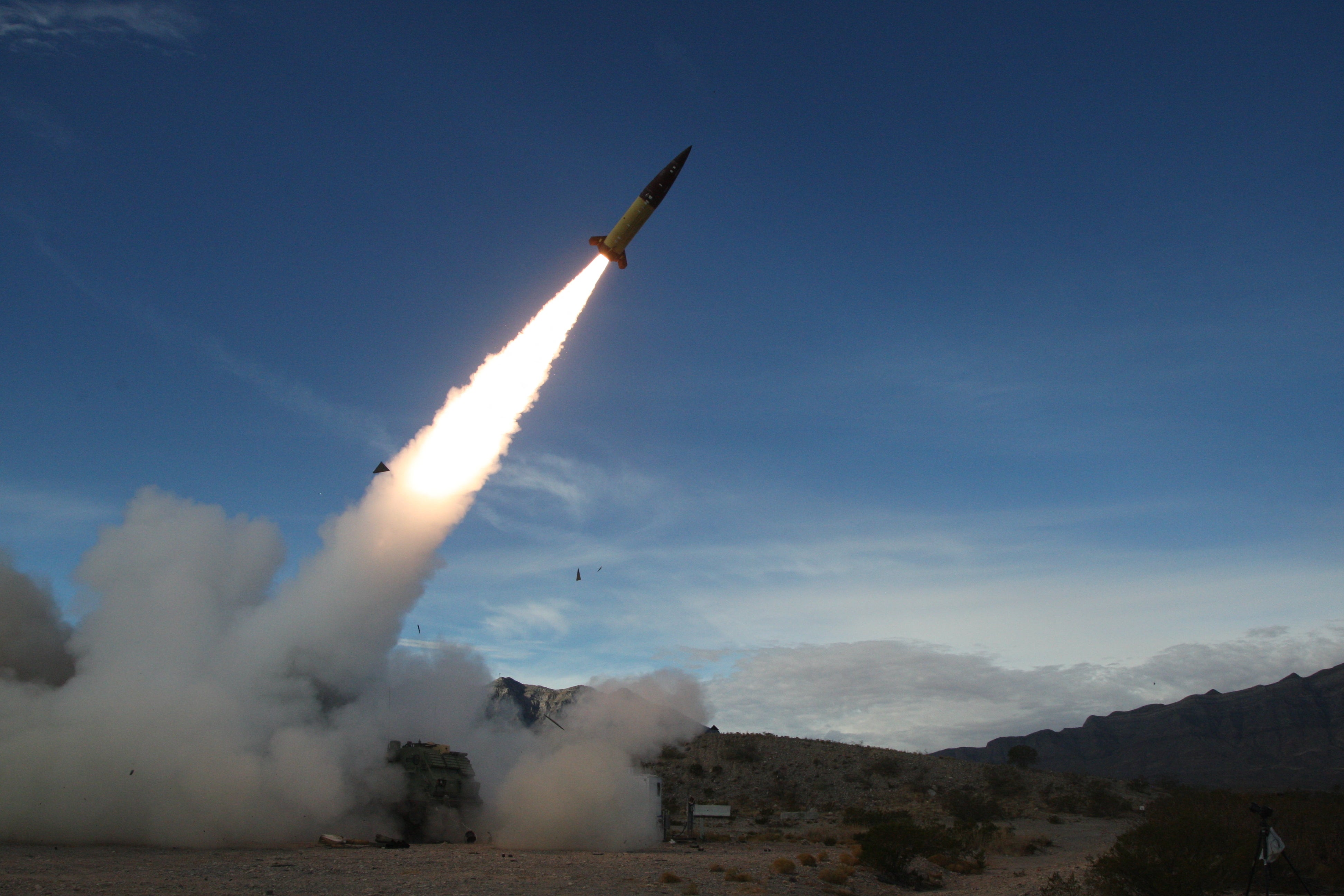
Iran delivered the warning through high-level diplomatic channels to Saudi Arabia, Qatar, Turkey, Oman and other US allies in the region following President Trump's July 28 indication of possible strikes on Iranian energy infrastructure. [1] Iranian Foreign Minister Abbas Araghchi held phone talks with his counterparts from Saudi Arabia, Qatar and Turkey, as well as Pakistan's army chief, urging them to press Trump against new attacks and emphasizing that while Iran is prepared to retaliate, diplomacy is the best way to avoid widespread regional tension. [1] Iranian officials cited the 2019 drone and missile attacks on Saudi Aramco facilities as an example of potential retaliation, noting its impact on global oil markets, and stated that any damage to Iranian infrastructure would be met with even greater harm to Gulf energy, electricity, water, transport and port targets. [1]
Trump's Strike Threat Prompts Iranian Diplomacy
Iran delivered the warning through high-level diplomatic channels after President Trump indicated on July 28 possible strikes on Iranian energy infrastructure. [1] Iranian Foreign Minister Abbas Araghchi held phone talks with counterparts from Saudi Arabia, Qatar and Turkey, as well as Pakistan's army chief, urging them to press Trump against new attacks while noting that Iran is prepared to retaliate yet prefers diplomacy to avoid widespread regional tension. [1] The message conveyed was that retaliation remains an option but that diplomatic solutions offer the best path to prevent broader conflict. [1]
Saudi Arabia and Gulf States Urge Restraint
Saudi Crown Prince Mohammed bin Salman spoke with Trump, requesting no immediate military action, prioritization of talks, and maintenance of a ceasefire, warning that further strikes would destabilize the region without providing a lasting solution. [1] Qatar, Oman and Saudi sources highlighted the risks of regional instability, impacts on global energy supplies, and readiness to defend their territory if attacked. [1] These Gulf states urged both the US and Iran to return to talks, noting that new conflict could make the entire region unstable and disrupt worldwide oil supplies along with international trade. [1]
Iran and Oman Agree on Hormuz Shipping Route
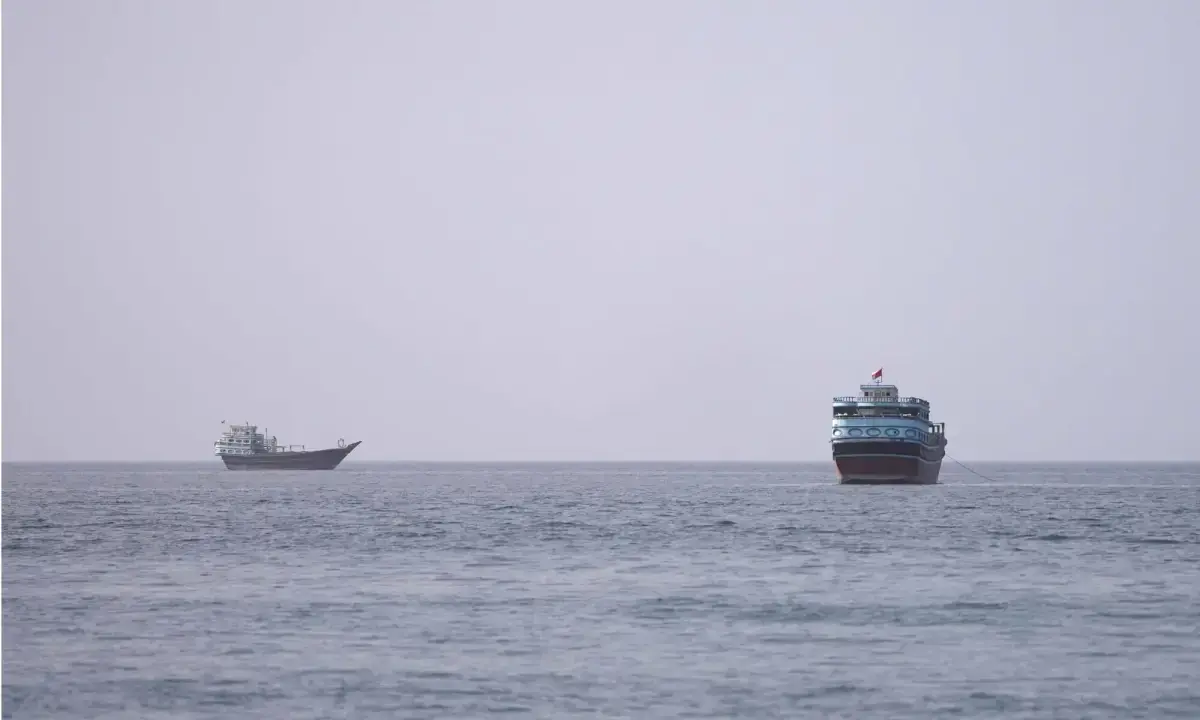
Iran and Oman have agreed on geographic coordinates for a shipping route through the Strait of Hormuz, with a joint statement being prepared. [2] The deal would give Iran control over vessels entering the Gulf and is described as one of the largest concessions to Tehran, though key details remain unresolved and it does not guarantee full security. [2] Iranian officials stated the US is not involved in the agreement. [2] Iran's Vice Foreign Minister Kasem Gharibabadi confirmed a deal on new regulations for ship traffic stands close to completion but stressed it does not mean full reopening of the Strait of Hormuz. [2] Security in the waterway continues to depend on ending the US blockade and other measures against Iran. [2]
Potential Economic and Strategic Impacts
Analysts note that attacks on Gulf energy facilities could spike global oil prices, raise inflation and slow economic growth worldwide. [1] Iran's strategy highlights the high cost of war, with officials pointing to the 2019 Aramco attacks that halted more than half of Saudi crude output temporarily and caused major swings in world oil markets. [1] The US faces difficult choices between escalation that could spread regional war and negotiations that might fall short of decisive victory. [1] Iran aims to turn military gains into permanent strategic control over the Strait of Hormuz through the emerging Oman accord. [3]
Regional Context and Related Developments
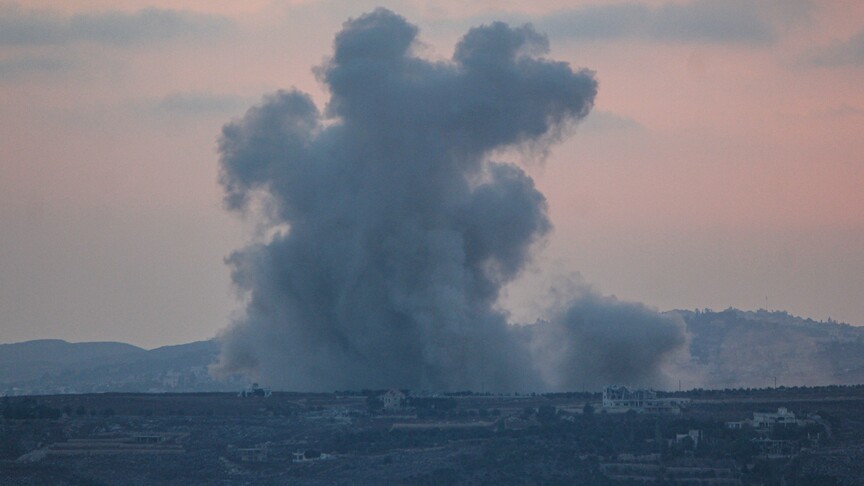
Related events include Houthi attacks on Saudi tankers, Israeli actions in southern Lebanon, US sanctions relief on an Iraqi airline, and Trump's stated preference for a deal with Iran rather than conflict. [2] [5] The Israeli military began strikes in southern Lebanon after two soldiers were killed in an explosion, with at least one Lebanese also reported killed. [2] The US Treasury removed sanctions on Fly Baghdad airline and two Boeing 737 aircraft after the carrier showed operational changes. [2] President Trump said he would rather reach a deal with Iran because he does not want to kill people. [2] Yemen's Houthis claimed rocket attacks on a Saudi oil tanker off the Red Sea coast near Janbu. [2]
What to watch next: Further diplomatic steps between Iran and Oman on the Hormuz route coordinates, any US response to Gulf calls for talks, and developments in southern Lebanon following the latest Israeli strikes.