
Trump Says US Holding Talks With Iran and Prefers Deal Over Military Action
Trump Prefers Deal With Iran Over Further Strikes
US President Donald Trump said on Wednesday that Washington is holding talks with Tehran and would prefer an agreement over further military action against Iran. [2] Speaking in Las Vegas, Trump said the US had been preparing to launch what he described as “the biggest attack since World War II before Iranian officials asked for negotiations.” [2] “I would rather make a deal with Iran because I don’t want to kill people,” he added, while reaffirming his commitment to ensuring Tehran would not be allowed to obtain nuclear weapons. [2]
Iran Denies Recent Talks With US
This comes after Iran’s deputy foreign minister said that Iran has not been holding talks with the US over recent days. [2]
US Officials Reject Munitions Shortage Claims
The White House and Pentagon have pushed back on a slate of recent reports indicating that supplies of both offensive and defensive weapons have dropped dangerously low after five months of war on Iran. [3] In a statement provided to Al Jazeera on Tuesday by the White House, President Donald Trump pushed back on claims the US faced deficiencies in its current supply. [3] “We have far more munitions than anyone in the world, and far more than we need, despite the fact that an unprecedented amount was given away by Crooked Joe Biden and the Biden Administration to Ukraine and Europe at no cost, in one of many of their extremely dumb moves,” Trump said. [3] Pentagon spokesman Sean Parnell also maintained that the US was not in dire straits on the issue. [3] “America’s military is the most powerful in the world and has everything it needs to execute at the time and place of the President’s choosing,” Parnell said in a statement to Al Jazeera. [3]
Reports Detail Extent of US Weapons Depletion
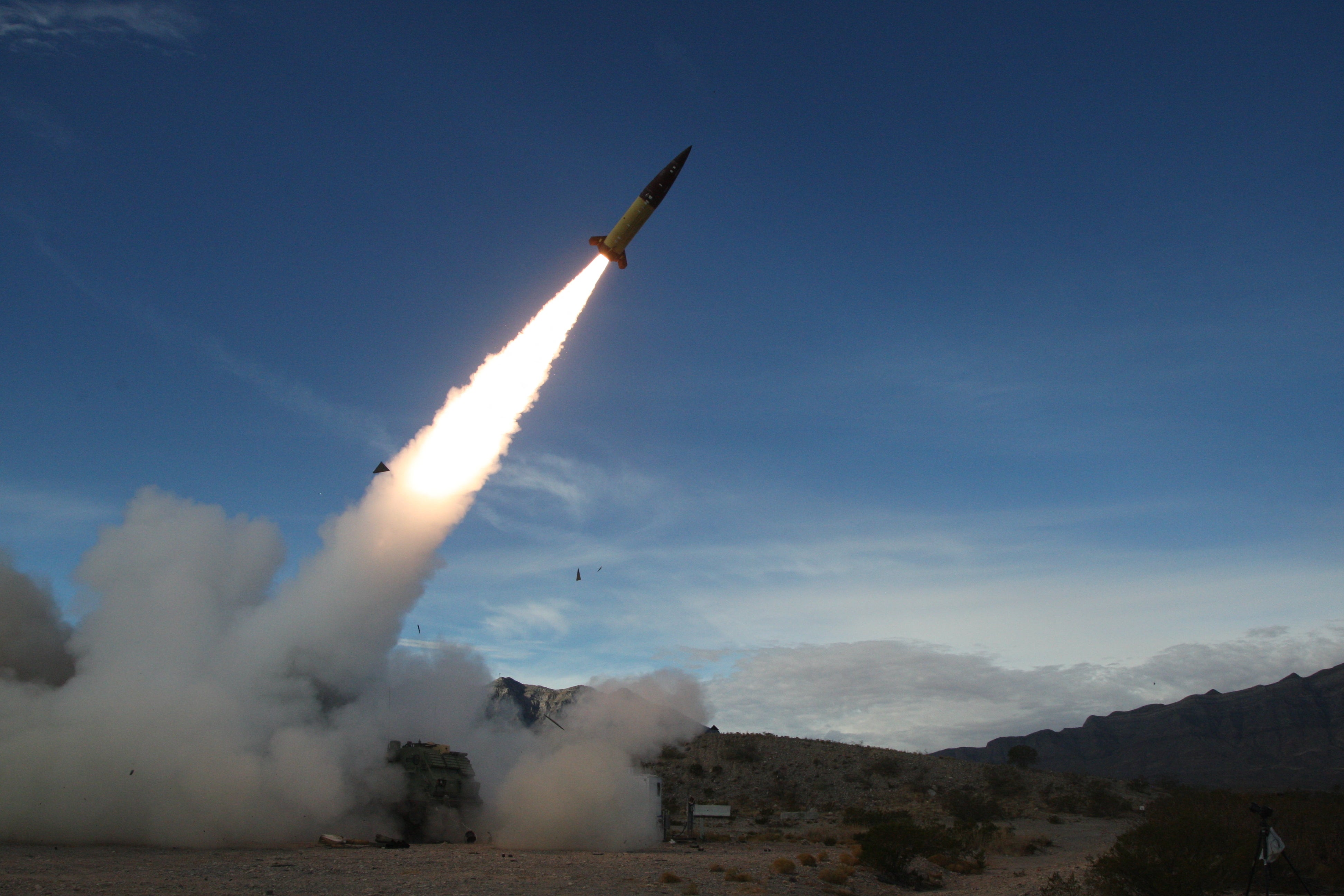
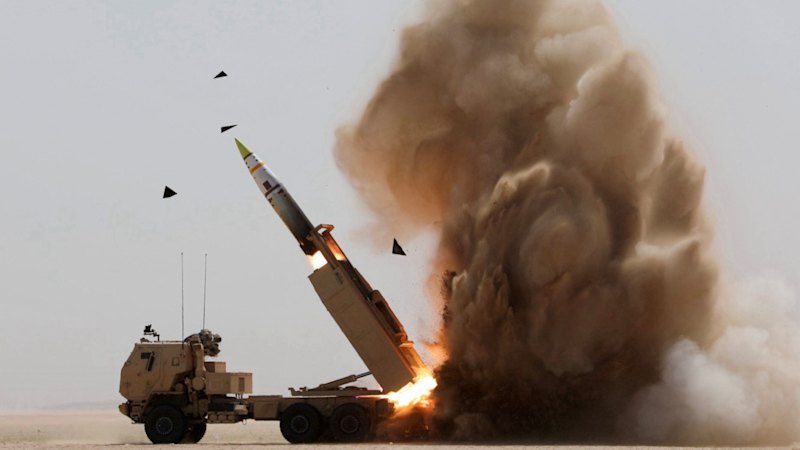
Several reports on Monday indicated that the situation may be more pronounced than US officials have publicly said. [3] CNN, for instance, reported that the US military had depleted 80 percent of the THAAD interceptors it had prior to the war and about half of its Patriot interceptors. [3] In an analysis published by the Washington, DC-based Center for Strategic and International Studies (CSIS) on July 27, the think tank calculated that, as of that date, the military had just more than a third of its Patriot interceptors left and about half of its THAAD interceptors. [3] CSIS has assessed that it would take at least three years, even with a recent flurry of funding, to bring supplies to pre-war levels. [3] The Reuters news agency and CBS News separately reported that the military has used the majority of its Army Tactical Missile Systems (ATACMS) and Precision Strike Missiles (PrSM). [3] Two sources told Reuters that “virtually all” the missiles, which cost about $1m each, had been used. [3]
Israel Prepares Lebanon Options Amid Talks
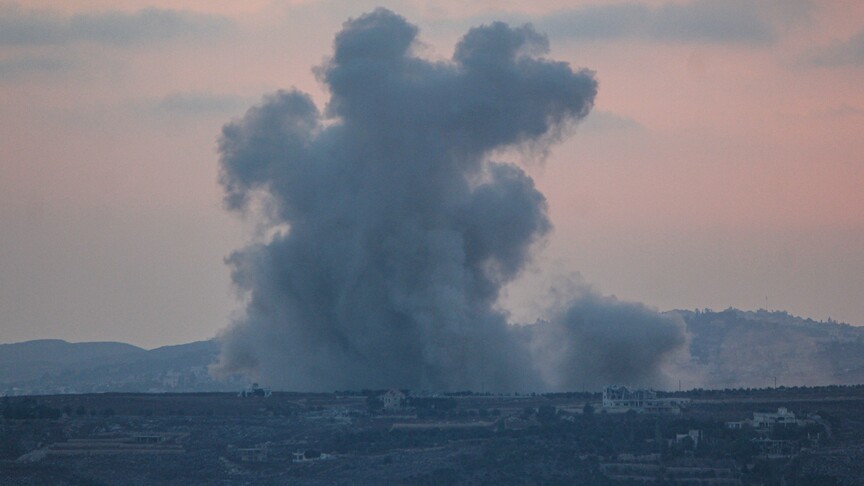
Israeli media reported that Israel is weighing and preparing additional military options in Lebanon despite ongoing indirect negotiations. [1] Israeli army preparing additional military options despite ongoing indirect negotiations with Lebanon, according to Israeli media. [1]
Broader Implications for Regional Security
Experts have said that low supplies of air defence interceptors, particularly those used in Patriot and Terminal High Altitude Area Defense (THAAD) air defence systems, may pose a particular threat to US forces, with knock-on effects for allies in the region and beyond. [3] Mark Cancian, a retired US Marine Corps colonel and senior adviser with CSIS, said shortages of offensive ATACMS and PrSM degrade the army’s ability to launch strikes from afar, requiring closer-range attacks that are more likely to put forces in peril. [3] “For ATACMS and PrSM, if you run low or out, then you would have to use some other mechanism, and that would be air-delivered or sea-delivered, so you’re talking probably Joint Air-to-Surface Standoff Missiles (JASSM) or Tomahawk to strike a deep target, or having aircraft fly over enemy territory,” Cancian said. [3] “It’s more dangerous, and you really have to beat down any air defence system,” he added. [3] The shortages of air defence interceptors, however, are “much more serious”, Cancian said. [3] “When we talk about missile defence… we don’t have that many left, and there are no good substitutes,” Cancian said. [3] “If we run out of Patriots, then the missiles get through.” [3] Such concerns were underscored by a July 17 attack on the Muwaffaq Salti airbase in Jordan, in which three US soldiers were killed when Iranian missiles were able to slip through US military and Jordanian air defence systems. [3] With the current level of US stockpiles, every interception of an Iranian strike weakens US deterrence capabilities against military powers like China. [3] “Every missile that’s used is one fewer that’s available to deter China”, Cancian said, “and we are now at a point where the joint staff are really very nervous about that”. [3]
What to watch next: Trump pointed to new efforts to scale up weapons production, although experts have questioned whether supplies of air defence missiles could indeed be scaled up in a timely fashion. [3]