
Iran Tensions Ease Slightly as Tehran and Oman Finalize Hormuz Shipping Route
Iran tensions have shown a modest shift as Tehran and Oman move toward a joint statement on a new shipping route through the Strait of Hormuz, even while broader frictions with the United States remain unresolved over naval actions and missile supplies.
Iran-Oman Hormuz Route Agreement
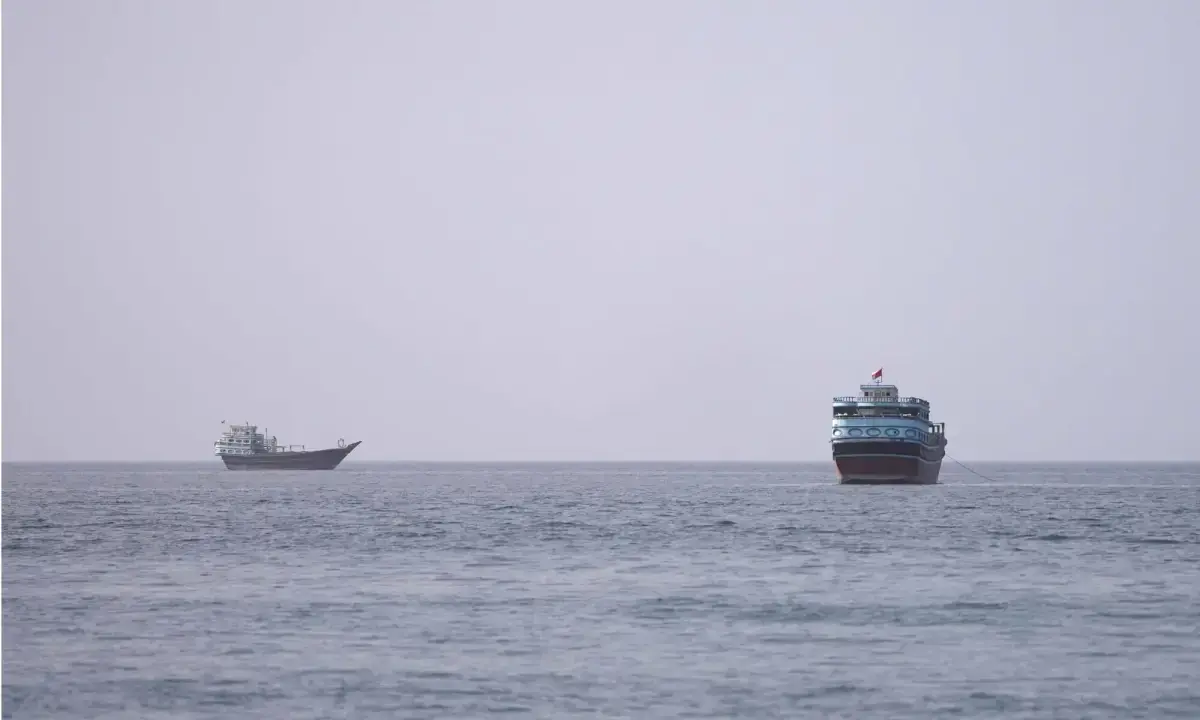
Iran and Oman have agreed on the geographical coordinates of a new route for ships transiting the Strait of Hormuz. [1] Tehran’s foreign ministry spokesman Esmaeil Baqaei stated that the joint statement of the two countries is in the final review and drafting stage, provided certain third parties do not obstruct the process. [1] Official sources briefing Iranian media stressed that any reopening of the strait would depend on the United States ending its naval blockade of Iran’s ports. [1] A significant portion of the new route lies in Iranian territorial waters, with a part in Omani territorial waters, and the design ensures commercial ships pass through Iranian waters on both inbound and outbound legs. [1] Iran’s Deputy Foreign Minister Kazem Gharibabadi noted that talks with Oman have reached fundamental understandings on the map of the routes. [1] The proposed arrangement could give Tehran control over ships entering the Gulf, a point that has drawn concern from US officials who have said they would never accept any deal allowing Iran to control access to the waterway. [1]
US Missile Stockpile Depletion
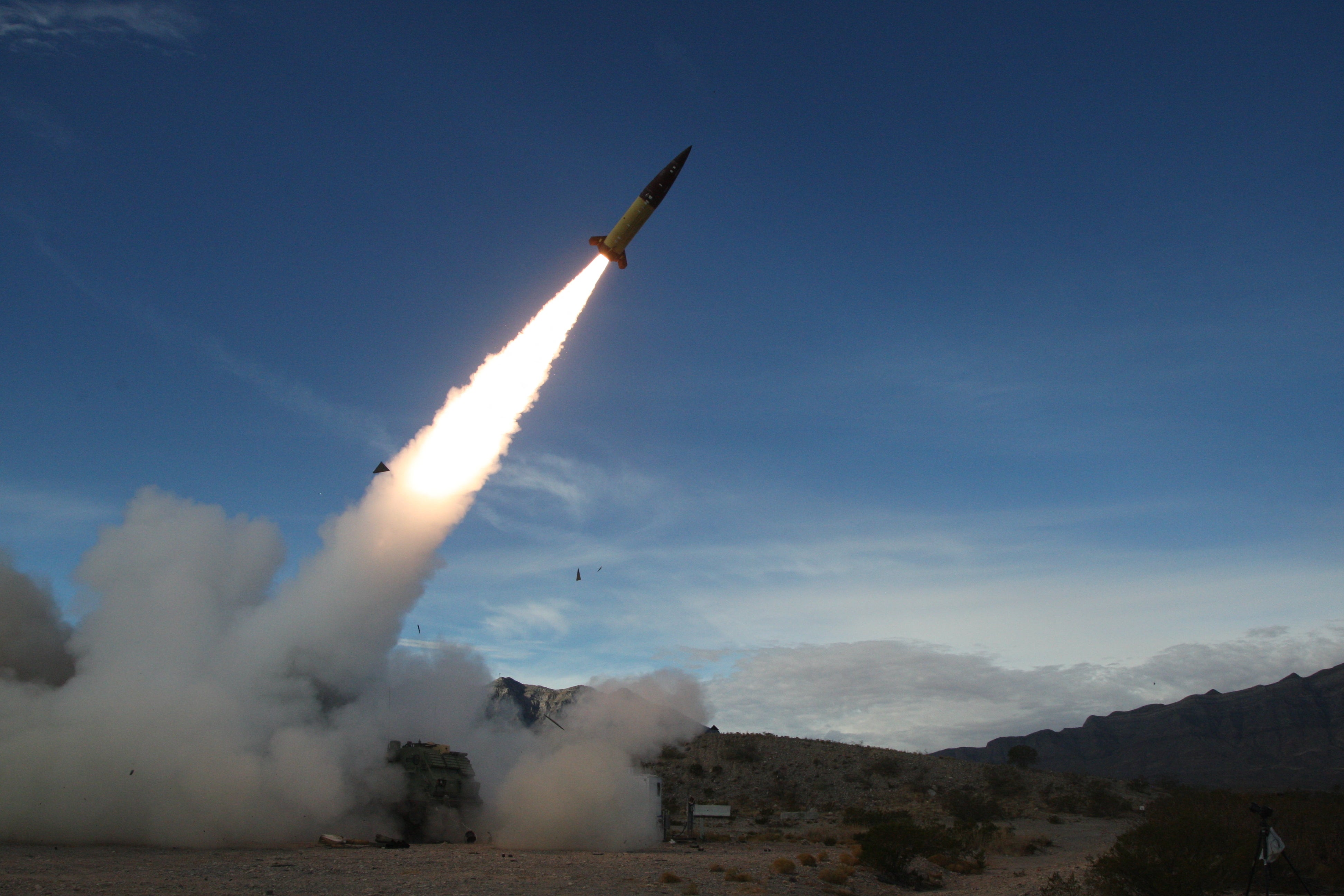
The US Army has used up virtually all of its stockpile of Army Tactical Missile Systems (ATACMS) and Precision Strike Missiles (PrSM) during the five-month war with Iran. [2] These long-range precision munitions, each costing more than $1 million, have been nearly exhausted according to three people familiar with the data. [2] Stocks of Patriot interceptors have seen about 65 percent expended, while the number of THAAD ballistic missile interceptors stands at least 38 percent lower than at the start of the war. [2] The US has also burned through a little less than half of its global supply of Tomahawk cruise missiles. [2] President Donald Trump stated that the United States has far more munitions than anyone in the world and that defense companies are producing more than ever before. [2] Military advisers warned about the stockpile levels, contributing to the decision against launching another massive offensive inside Iran. [2] Lockheed Martin and Raytheon did not immediately respond to questions about supply levels. [2]
Trump's Claims and Threats
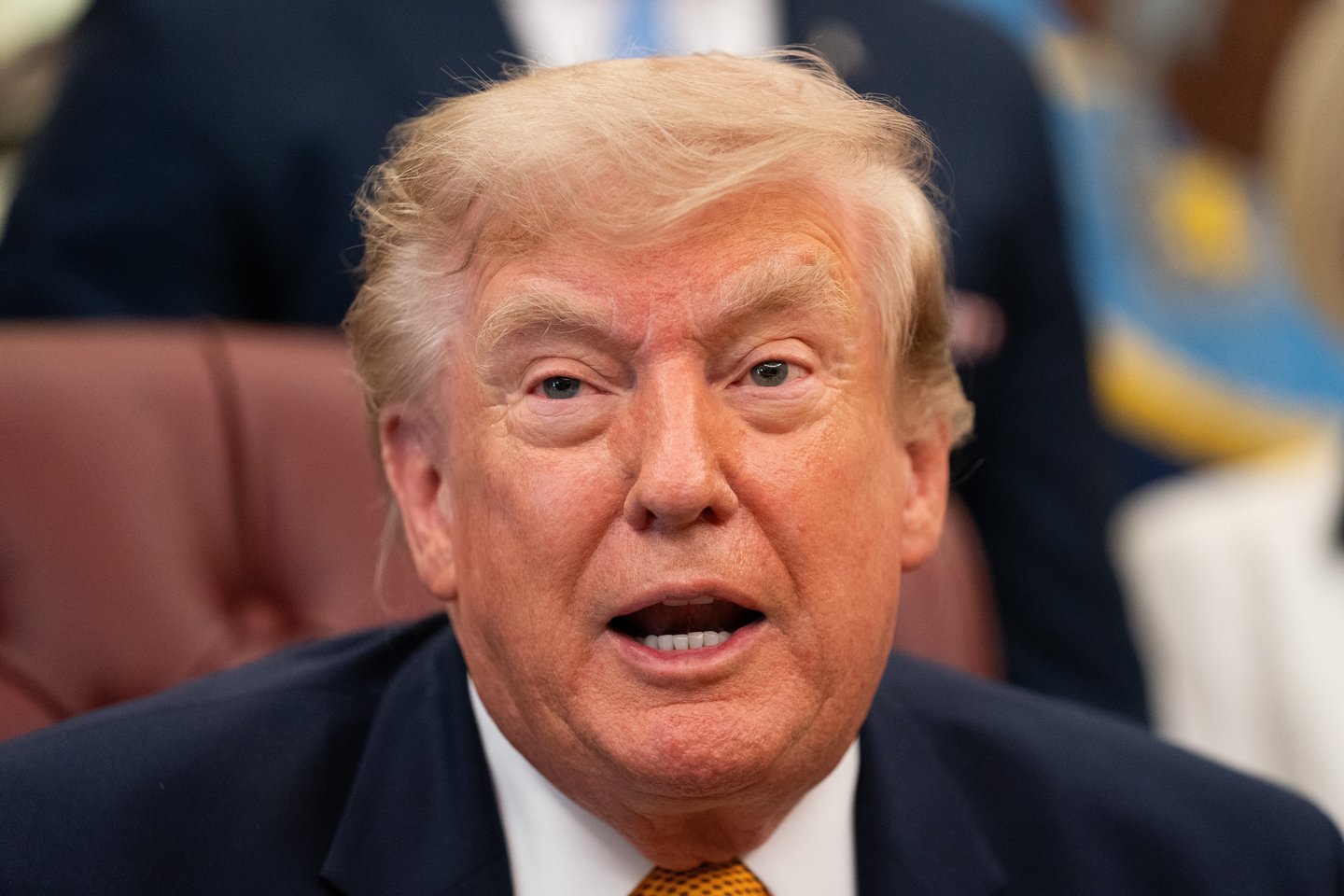
President Donald Trump claimed there had been an all-day negotiation with Iran on Tuesday and described the talks positively. [1] He told Fox News that the Strait of Hormuz is going to be open very soon and warned that if Iran backs out again it would be hit really hard. [1] Iran has denied that any active negotiations are taking place with the United States. [1] Trump reportedly discussed the shortage of long-range missiles with Defense Secretary Pete Hegseth and expressed frustration that he believed the issue had already been resolved. [4] The Washington Post reported that the munitions shortfall was one factor in Trump’s decision to cancel plans for a new large-scale attack. [4] The White House denied the account and stated that Trump maintains total in Hegseth. [4]
Iranian Warnings to Gulf States
Iran warned several Gulf states through high-level diplomatic contacts that any new US attack on its territory would trigger retaliation against critical energy infrastructure across the region. [1] Iranian Foreign Minister Abbas Araghchi spoke with his Saudi, Turkish, and Qatari counterparts as well as a top Pakistani official. [1] Araghchi urged Washington’s Gulf allies to use their influence with Trump to dissuade renewed strikes and stated that finding a diplomatic solution is the best way to avoid wider escalation. [1] Saudi Crown Prince Mohammed bin Salman subsequently spoke with Trump and urged him to delay military action, return to negotiations, secure a ceasefire, and pursue a diplomatic settlement. [1]
Houthi Attacks and Oil Market Impact
Yemen’s Houthi rebels claimed to have attacked two more Saudi oil tankers, bringing the total targeted since the blockade began to nine. [1] Spokesperson Yahya Saree said the group successfully targeted the Saudi oil tanker Wafa in the northern Red Sea off the coast of Yanbu with ballistic missiles. [1] In a later statement, Saree said the rebels targeted the Saudi oil tanker Daisy in the Gulf of Aden with a ballistic missile. [1] Oil prices edged lower after rising amid the attacks on Middle East shipping that have disrupted global energy supplies. [1] Saudi authorities had no immediate comment on the reports. [1]
Broader Strategic Context
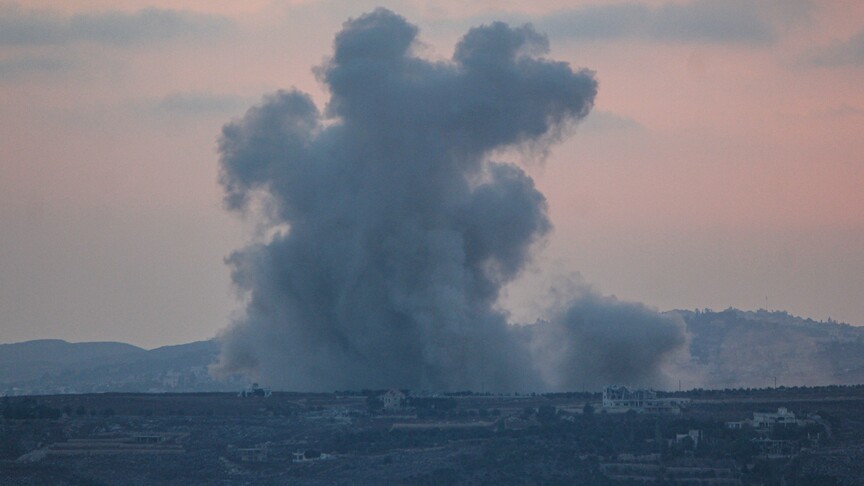
CENTCOM sent an email to military analysts seeking creative and unusual ideas to pressure and punish Iran and end the conflict. [3] The move reflects recognition that existing US approaches have not produced the desired results. [3] Iranian officials have shown resolve not to concede control over the Strait of Hormuz and have stated they are ready to continue the fight. [5] Assessments from the CIA and the Defense Intelligence Agency indicate that US strikes have not altered Iran’s negotiating position. [3] Iran’s Ebrahim Rezaei warned that any attack on Iran would prompt retaliation that would return the entire Gulf and its infrastructure to the Stone Age. [5] Experts note that Iran’s strategy aims to raise the costs of confrontation for the United States and its allies by threatening shipping lanes and energy facilities. [5]
What to watch next: CENTCOM continues to review crowdsourced proposals for ending the conflict while Iran maintains its insistence on ending the naval blockade before any full reopening of the strait.