
United States Tensions With Iran Deplete Nearly All Long-Range Missiles
United States tensions with Iran have led to the near exhaustion of key long-range offensive missiles and a substantial portion of air-defense interceptors after five months of conflict, according to multiple reports citing officials and analysts. This depletion has raised concerns about military readiness for other potential adversaries.
Depleted US Missile Stockpiles After Iran War
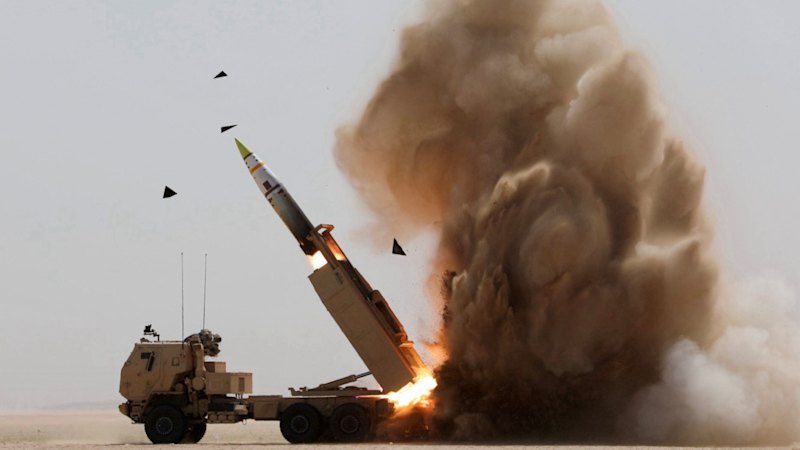
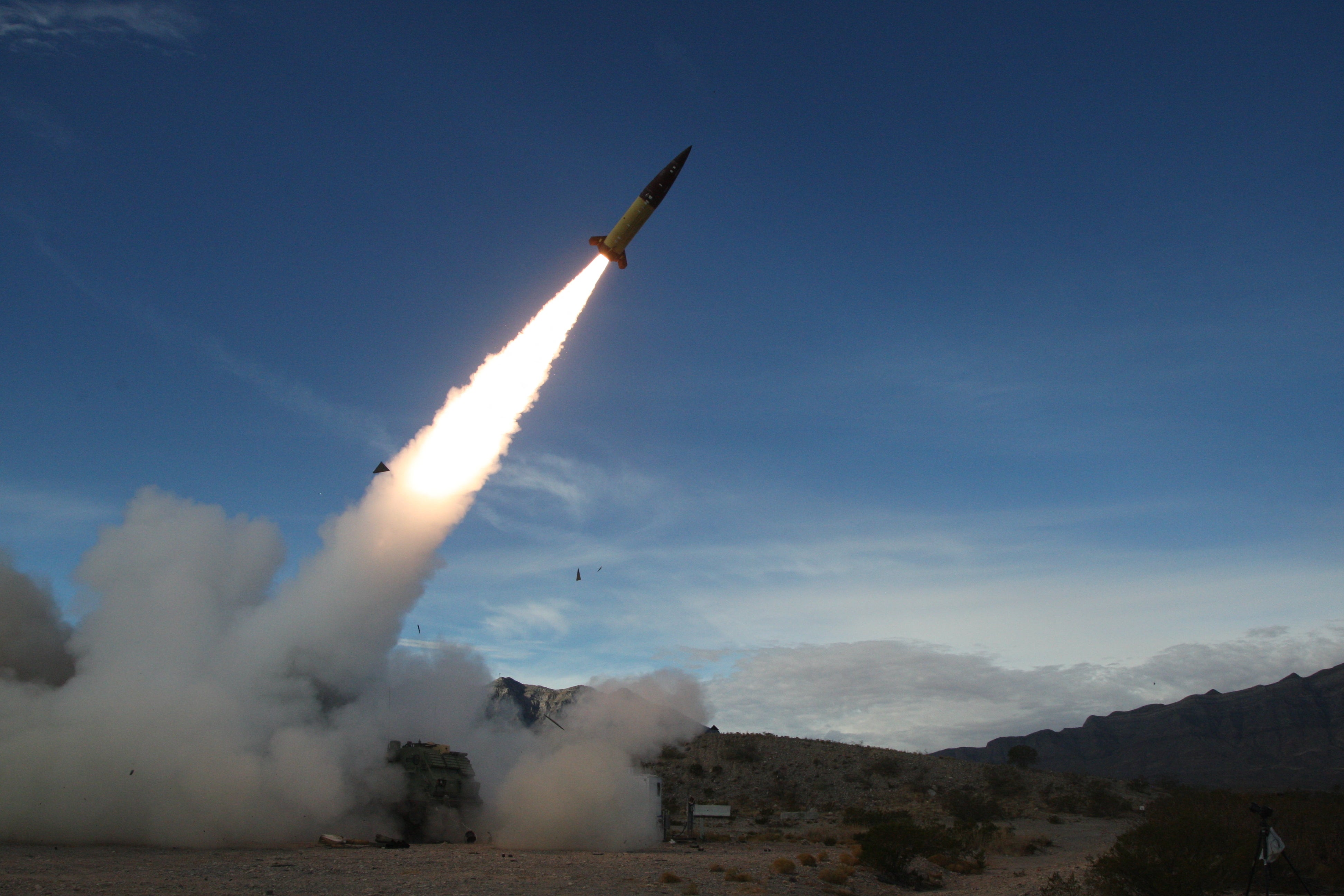
The US Army has used up virtually all of its stockpile of Army Tactical Missile Systems (ATACMS) and Precision Strike Missiles (PrSM) during the five-month war with Iran. [1] Two sources said these specific weapons have almost all been used. [1] The long-range munitions, which cost more than $1 million each, allow accurate strikes from a safe distance. [1]
Reports indicate that the US military had depleted 80 percent of the THAAD interceptors it had prior to the war and about half of its Patriot interceptors, with sources describing the levels as dangerously low. [4] A CSIS analysis calculated that the military had just more than a third of its Patriot interceptors left and about half of its THAAD interceptors. [4] These figures match internal US data according to sources. [1] The drawdown of ATACMS and PrSM stockpiles reflected a decision by the Trump administration to avoid riskier ways of attacking Iranian targets. [1]
Impact on Potential Further Strikes Against Iran
The dramatic rundown in precision long-range missiles means President Donald Trump may have to rely more on riskier, piloted bombing missions if he relaunches large-scale attacks on Iran. [1] Trump reportedly decided not to launch another massive offensive inside Iran in part because his military advisers had warned about the US stockpile. [1] A US official disputed those accounts, saying Trump chose not to move forward with another attack because of pressure from Gulf states. [1]
United States tensions with Iran have sparked intense debate about Trump's authority to prosecute hostilities without congressional authorization, as no request for a declaration of war or an authorization to use military force has been submitted to Congress. [1] The shortages could limit the US ability to deter adversaries including Russia and China. [1]
White House and Pentagon Response
The White House and Pentagon have pushed back on reports indicating that supplies of both offensive and defensive weapons have dropped dangerously low. [4] In a statement, President Donald Trump said the US had far more munitions than anyone in the world and far more than needed. [1] Trump added that defense companies are making more munitions than they have ever made before, in addition to expanding their plants and equipment at record levels. [1]
Pentagon spokesman Sean Parnell said America’s military is the most powerful in the world and has everything it needs to execute at the time and place of the President’s choosing. [1] Parnell stated that the US military possesses a deep arsenal of capabilities to protect people and interests. [4] Secretary of Defense Pete Hegseth contested the 80 percent figure for THAAD and the characterization of the threat, posting “not true” and “shame on you” on X. [4]
Expert and Analyst Concerns
Experts have said that low supplies of air defense interceptors, particularly those used in Patriot and THAAD systems, may pose a particular threat to US forces with knock-on effects for allies in the region and beyond. [4] Mark Cancian, a retired US Marine Corps colonel and senior adviser with CSIS, said shortages of offensive ATACMS and PrSM degrade the army’s ability to launch strikes from afar, requiring closer-range attacks that are more likely to put forces in peril. [4]
Cancian described shortages of air defense interceptors as much more serious, noting that when Patriots run out the missiles get through. [4] He added that every missile used is one fewer available to deter China, and that the joint staff are really very nervous about that. [4] CSIS has assessed that it would take at least three years, even with recent funding, to bring supplies to pre-war levels. [4]
Iran Threats to Gulf States
Iran has warned its Gulf neighbors of retaliation if the United States launches fresh strikes against it, raising the stakes of any military action by threatening Washington’s closest regional allies. [3] Several officials told CNN that a number of Gulf countries rely on US air defense systems and acknowledged that a lack of stocks could complicate their own ability to intercept Iranian missile and drone attacks, especially if directed in response to any US escalation. [2] Allies from the Persian Gulf have expressed concern that shortages of air defense missiles could affect their ability to repel a potential retaliatory strike from Iran. [2]
Replenishment Challenges and Timeline
The administration has requested $95 billion in its Fiscal Year 2027 defense budget and $21 billion in a supplemental funding request to replenish stores. [4] Raytheon has reached a tentative multi-year agreement with the Pentagon aimed at boosting Tomahawk production alongside increases in other munitions. [1] Lockheed Martin, which makes the ATACMS, PrSMs and THAAD system, did not immediately respond to questions about supply levels. [1]
Experts agree that certain munitions are being produced at record levels but caution that supplies might fall short of what is needed for a prolonged war. [1] Cancian said money will not be a problem but the problem is time. [4]
What to watch next: Multiple media reports have indicated that the chairman of the Joint Chiefs of Staff has repeatedly raised concerns behind closed doors about weapons supplies, and the New York Times reported that such concerns were at least one factor in Trump’s decision to back away from greater escalation. [4]