Iran Warns Neighbors Joining US Economic Campaign Will Be Treated as Enemies in Iran Tensions
Iran tensions have intensified as Tehran issued stark warnings to its neighbors against participating in Washington’s economic measures. The alerts came amid ongoing hostilities that began on February 28 when the US and Israel launched attacks against Iran.
Iran Issues Direct Warning to Neighbors
Iran has threatened to treat nearby countries as enemies and target their interests if they join a United States campaign to cripple its economy. [1] Mohsen Rezaei, secretary of Iran’s Supreme National Security Council, issued the warning in a Saturday interview with state broadcaster IRIB. [1] “We’re telling all nearby countries not to join the US economic war. Otherwise, we will consider them as enemies,” Rezaei told IRIB. [1] The remarks followed escalating economic threats from the administration of US President Donald Trump. [1] Rezaei added that any country participating in the imposition of economic restrictions against Iran is considered an enemy. [2] If the countries concerned refused to distance themselves from the United States, Iran would harm their interests. [2]
Three-Stage Regional Strategy Outlined
Rezaei described Iran’s regional strategy as a three-stage sequence that would start with efforts to de-escalate tensions with neighbouring countries. [1] “First we negotiate. Then, we try to separate them from America with pleasant language, because we are not really looking to expand the war,” he said. [1] Any countries that continue to side with the US would then be given time to reconsider. [1] “But in the third stage, we will definitely act.” [1] The sequenced approach reflects Tehran’s preference for avoiding broader conflict while preparing responses if neighbors align with Washington. [1]
US Economic Threats and Objectives
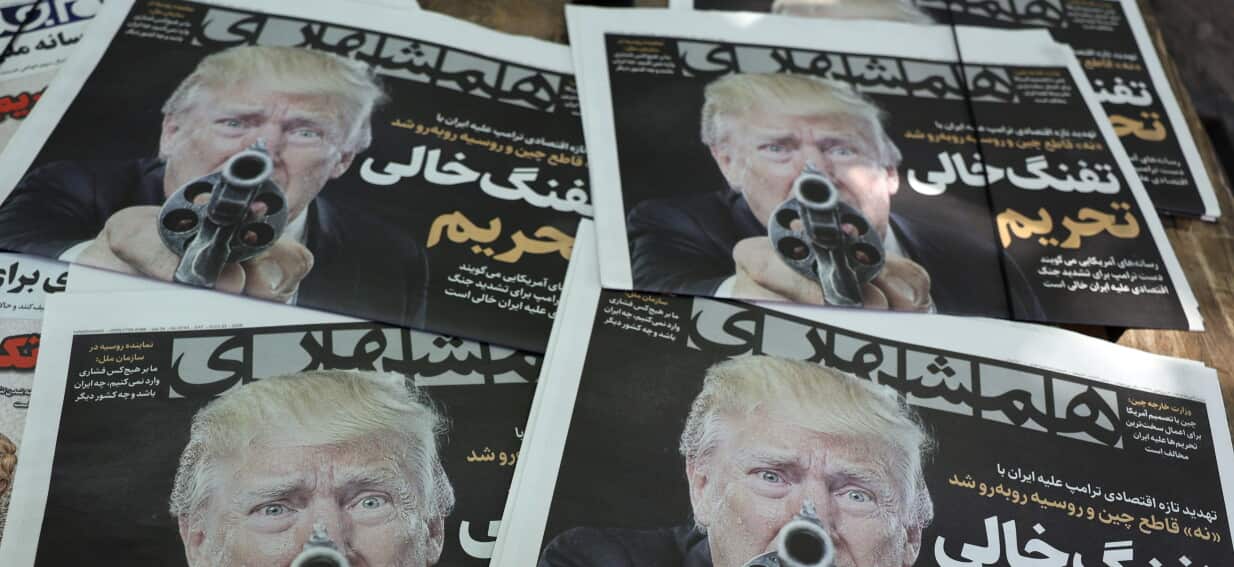
On Wednesday, Trump announced his government would undertake the “most crushing economic operation” yet against Iran. [1] Trump also pledged “tremendous economic consequences” for any country that gives Iran “any type of lifeline”. [1] His Treasury secretary, Scott Bessent, echoed the threats the following day, saying, “You’re either with us or against us.” [1] The US has pushed its allies to join the new campaign to isolate the Iranian economy as the war drags toward the six-month mark. [2] Rezaei suggested that the Trump administration was betting economic pressure would fracture Iranian society and force an end to the conflict. [1] “They hope that, if possible, they can break our unity with economic pressure and a group of protesters will take to the streets, and in a way, they will come to the aid of American F-35s,” he said. [1]
Iranian Threats to Strike Economic Targets
Rezaei insisted that Iran had more cards to play, claiming that “we have not yet attacked any American economic interests”. [2] “So far, we have only targeted military bases, but if they want to impose economic sanctions on us, the United States has oil and economic companies around Iran and elsewhere, and we will strike them,” Rezaei threatened. [2] Should Trump take action, Rezaei added, “our confrontation will be like an earthquake”. [2] These statements underscore Iran’s readiness to expand beyond military targets if sanctions intensify. [2]
Strait of Hormuz and Alternative Routes at Stake
Control over the Strait of Hormuz has become an enduring sticking point between the US and Iran. [1] Iran quickly moved to shut down traffic through the strait early in the war, sending the price of goods like oil and fertiliser skyrocketing. [1] Countries in the Middle East that were previously reliant on the strait for exports have started to pursue substitute trade routes. [1] Rezaei warned that Iran would target those alternative oil-shipping routes out of the Gulf if regional states took part in the US’s plans of economic warfare. [1] One of Iran’s major trading partners, the United Arab Emirates, announced on Tuesday that it was suspending all trade and financial transactions with Tehran until further notice. [2]
Diplomatic and Broader Context
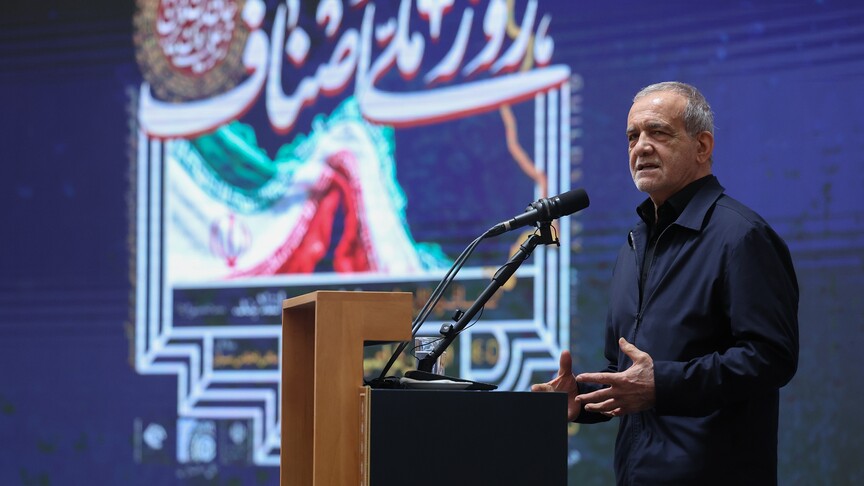
Iran’s Ministry of Foreign Affairs on Saturday decried the incoming US measures as an assertion of “extraterritorial sovereignty” over United Nations member states. [1] A spokesperson for the ministry stated that such secondary sanctions have no basis in international law. [4] Negotiations to end the conflict have stalled in recent months following the failure of a June 17 memorandum of understanding that called for an “immediate and permanent termination of military operations”. [1] Iranian President Masoud Pezeshkian urged an end to the “no war, no peace” situation from a position of strength and said it would be better to conclude the war today while preserving Iran’s principles and values. [3] Tehran has also reportedly considered widening its target list beyond the Middle East, with media outlets reporting it could strike US allies in Europe who have supported Trump’s operations. [1] China, a top strategic partner of Iran, has criticised the US initiative and argued that sanctions would not resolve the conflict. [2]
What to watch next: Further statements from Iranian officials on responses to new US sanctions and any moves by regional states regarding alternative shipping routes or alignment with Washington’s economic measures.