
Iran Tensions Escalate as 60-Day US Peace Deal Deadline Expires Without Agreement
Iran tensions have risen sharply after the 60-day deadline for a US-Iran peace deal expired on Monday without an agreement, as President Trump declined to extend the memorandum of understanding and Iran threatened to adopt a fully offensive military posture in the Strait of Hormuz if diplomacy fails. [2]
Deadline Expires Without Agreement
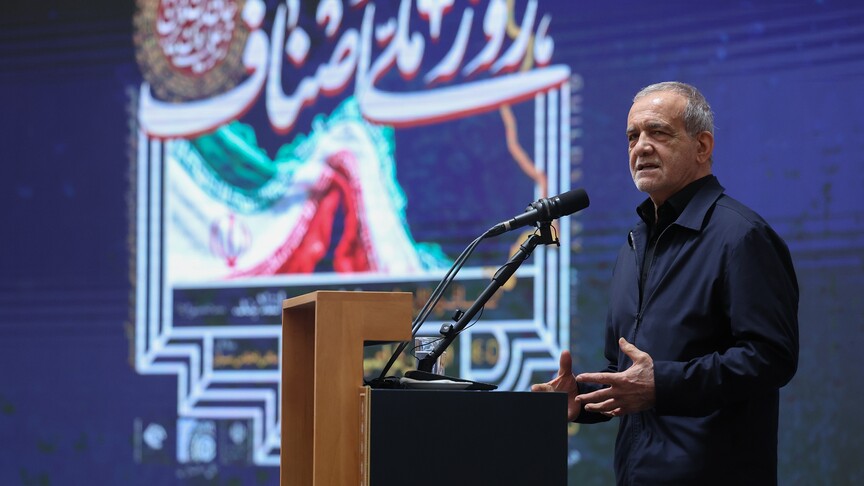
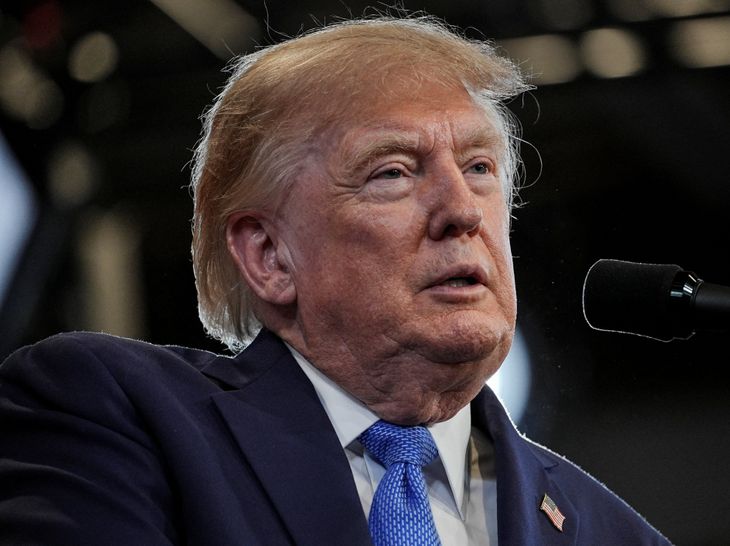
The June 17 memorandum of understanding set a 60-day window to reach a broader deal on Iran's nuclear program and US sanctions while terminating military operations, but negotiations stalled over control of the Strait of Hormuz. [2] Monday marked the day by which Iran and the US were expected to reach a final peace agreement under that memorandum. [2] Asked by reporters on Monday if the US was seeking to extend June’s interim agreement, US president Donald Trump said no. [2] Trump stated that while Iran wants to make a deal, “they’re not going to make the kind of a deal that I feel is necessary.” [3] The agreement aimed to end the war and restore commercial navigation through the Strait of Hormuz, yet both sides accused each other of violating the deal. [3] Pakistan brokered the memorandum of understanding, which Trump and Iranian President Masoud Pezeshkian signed on June 17. [3]
Iran's Offensive Posture Threat
Iran will shift to a “fully offensive” military posture because efforts to negotiate a permanent end to its war with the US have stalled, a senior Iranian official told Reuters on Monday. [2] The official said Iranian entities must be prepared to escalate tensions in the Strait of Hormuz and wider region, as Iran will be ready to make decisions and take action on difficult decisions. [2] Tehran would conduct a “timely and precise” military attack to break the US naval blockade if diplomacy failed. [2] Iran has demanded the US lift its naval blockade, remove sanctions, and pay compensation for war damages before reopening the Strait of Hormuz to international shipping. [1] Iran has separately been negotiating an agreement with its neighbour Oman across the strait over managing Hormuz, seen as a key component of a wider deal, and says they are close to agreement, although progress has been slow. [2] “Within the short period of a few weeks set by Iran, all the agreement’s provisions must be implemented by the US. This is a precondition for further negotiations with the US,” the Iranian official told Reuters. [2]
Trump's Shifted Strategy
Trump stated the US is taking a softer approach by applying economic pressure, naval blockade, and pursuing talks rather than immediate major military strikes, while insisting Iran cannot have a nuclear weapon. [1] In an interview with Axios, Trump said, “We are taking a softer stance than before.” [1] Washington Post reporting indicates the US is trying to surround Iran in three ways: economic pressure to weaken Iran’s earnings and economy, naval blockade to make sea trade difficult for Iran, and talks to reach an agreement directly or through other countries. [1] Trump’s current strategy reflects the view that applying economic pressure on Iran without war could prove more effective than a major military attack. [1] US Vice President JD Vance said on Saturday that the US is using diplomatic, economic, and military paths. [1] American officials believe that if the war continues, the Iranian government could blame the war for its economic difficulties, whereas without war the public and government would have to face the economic crisis directly. [1]
Strait of Hormuz as Central Bargaining Chip
Control of the Strait of Hormuz became the main dispute derailing the deal. [1] Iran said point 5 of the MoU gave it the right to manage the strait, which it shares with Oman, while the US rejected that interpretation. [2] Hostilities resumed as Iran began firing on vessels it said were trying to sail through Hormuz on an unapproved route. [2] Trump said on July 7 that the pact was “over.” [2] Iran has been negotiating with Oman, and on August 9 Iranian officials stated that the agreement with Oman had reached the final stage. [1] Tehran made clear that an agreement with Oman does not mean the Strait of Hormuz will immediately be opened to international ships. [1] Trump threatened to bomb Oman if it interferes with US aims in the strait and floated declaring the Strait of Hormuz a US territory. [2] “If Oman gets in the way, we’ll bomb the shit out of them,” Trump told Fox. [2] Earlier on Monday, Trump repeated on his Truth Social platform that his main goal was to ensure that Iran never has nuclear weapons. [2] He also said, “after we finish defeating Iran … pretty soon I’ll be declaring the Hormuz Strait a territory of the United States.” [2] Trump reiterated to reporters that preventing Iran from having a nuclear weapon remained non-negotiable. [3] “Look, we’re in there for one reason: Iran cannot have a nuclear weapon … and they won’t have a nuclear weapon,” Trump said, while floating the idea of formally declaring the waterway a US territory. [3] “I like the idea of declaring it a territory. We have total control of the strait.” [3] Trump warned Americans in a speech at a rally on Friday to prepare for continued high fuel prices as a result of the war. [2]
High Cost of Prolonged Conflict
The US has lost nearly its entire stock of long-range missiles such as ATACMS and Precision Strike missiles plus at least 45 MQ-9 Reaper drones (about 25% of its fleet) during five months of conflict, with total drone losses exceeding $1.3 billion. [1] Sources claim the US has used up almost its entire stock of long-range missiles including ATACMS and Precision Strike missiles, though they did not give exact numbers. [1] The US lost at least 45 MQ-9 Reaper drones during the war, representing about 25 percent of its total fleet. [1] Before the war the US had about 185 Reaper drones, of which 165 belonged to the Air Force and 20 to the Marine Corps. [1] In May, US Air Force Lieutenant General David Tabor told the Senate that the Air Force had about 135 Reaper drones left. [1] According to the Washington Post, the total cost of these losses could exceed $1.3 billion. [1] A single Reaper drone can cost between 30 and 50 million dollars depending on its equipment. [1] Long-range missiles also cost more than 1 million dollars each. [1] The Pentagon is already working on plans to gradually phase out Reaper drones and replace them with lower-cost new armed drones. [1]
Ongoing Pressures and Next Steps
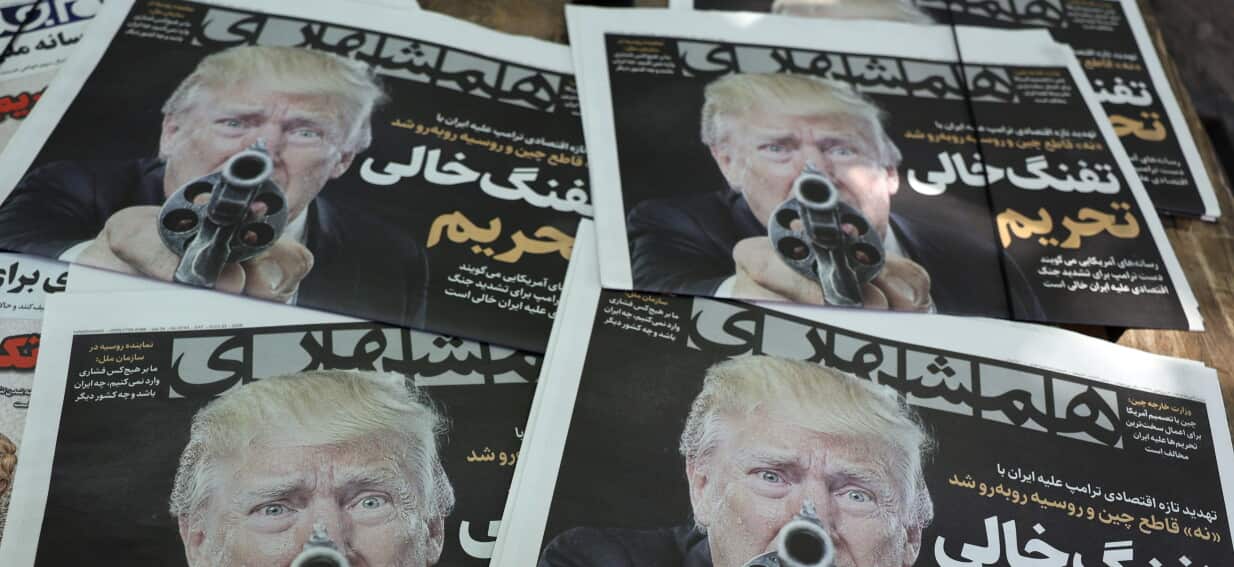
The US plans new sanctions on Chinese entities buying Iranian oil or aiding sanctions evasion. [1] Reuters reported that the Trump administration is considering imposing new sanctions on refineries in China that purchase Iranian oil, as well as on Chinese banks and institutions accused of helping Iran evade sanctions. [1] Iran faces economic vulnerabilities such as a projected poverty rate over 40 percent this year. [1] Trump has repeatedly said that Iran’s weak economy is America’s greatest strength. [1] In one interview Trump said the US has two paths: either let Iran collapse economically or launch a major military attack on it. [1] Trump is currently pursuing the first path. [1]
What to watch next: Mediators are expected to share Tehran’s deadline with Washington and regional states, while the US continues to weigh additional sanctions on Chinese entities tied to Iranian oil purchases.