Indonesia Plans Earthquake Early Warning System Rollout by 2030 With Japan
Reports on earthquakes today show multiple seismic events recorded across several countries in recent days, including activity in California, Alaska, Malaysia, Indonesia, and Peru. These developments coincide with Indonesia’s plan to develop a nationwide earthquake early warning system with support from Japan.
Recent Earthquakes Reported Worldwide
A magnitude 2.6 earthquake occurred at a depth of 26.4 km, 47 km WNW of Petrolia, California. [1] A magnitude 3.6 earthquake struck at a depth of 26.0 km, 42 km NE of Ambler, Alaska. [2] Johor’s Batu Pahat district in Malaysia experienced its third earthquake since June, with no tsunami threat reported. [3] Peru recorded a magnitude 3.7 earthquake near Mala, Cañete at 01:39 local time on 21 September 2026 and a magnitude 3.4 quake near Huancabamba, Piura at 16:25 local time the same day. [5] These events illustrate the pattern of ongoing seismic monitoring by agencies such as the USGS and Peru’s Instituto Geofísico del Perú.
Third Tremor Hits Malaysia's Batu Pahat
Johor’s Batu Pahat district in Malaysia experienced its third earthquake since June, with no tsunami threat reported. [3] Official statements confirmed the absence of any tsunami risk following the tremor. [3] The repeated activity in the area has prompted continued attention from local authorities tracking seismic patterns in the state.

Map shows earthquake distribution by parish in Venezuela's Libertador from 5 to 18 September 2026. — Source: reliefweb
Indonesia Advances Early Warning System With Japanese Support
Indonesia is partnering with Japan to develop a nationwide earthquake early warning system, including trial runs by 2030 that utilize low-cost equipment, automatic halts for factories and trains, and mosque loudspeakers for alerts. [4] The Indonesian government plans to conduct trial runs for the system in Jakarta and some other regions by 2030, with the goal of a future nationwide rollout. [4] A Japan-Indonesia joint team launched research in three provinces in the western part of Java Island, including the Jakarta capital region, in 2025 under a five-year test project. [4] The project aims to develop low-cost earthquake observation equipment and a system that automatically halts factories and train operations simultaneously with earthquake detection. [4] The team will also compile evacuation guidelines tailored to the characteristics of Indonesian buildings and lifestyles. [4] In addition to radio communication, mosques will be utilized to inform residents of earthquake early warnings through loudspeakers used for the Adhan call to prayer. [4] Dr. Andi Eka Sakya, senior researcher at the Indonesian government-affiliated National Research and Innovation Agency and the Indonesian head of the joint research team, observed Japan’s system in action during a powerful earthquake in Kumamoto Prefecture on July 28 and noted the calm response shown on television. [4] Japan’s earthquake early warning system was introduced in October 2007, providing quake information on TV and radio and through smartphones. [4]
Peru's Latest Seismic Activity and Emergency Guidance
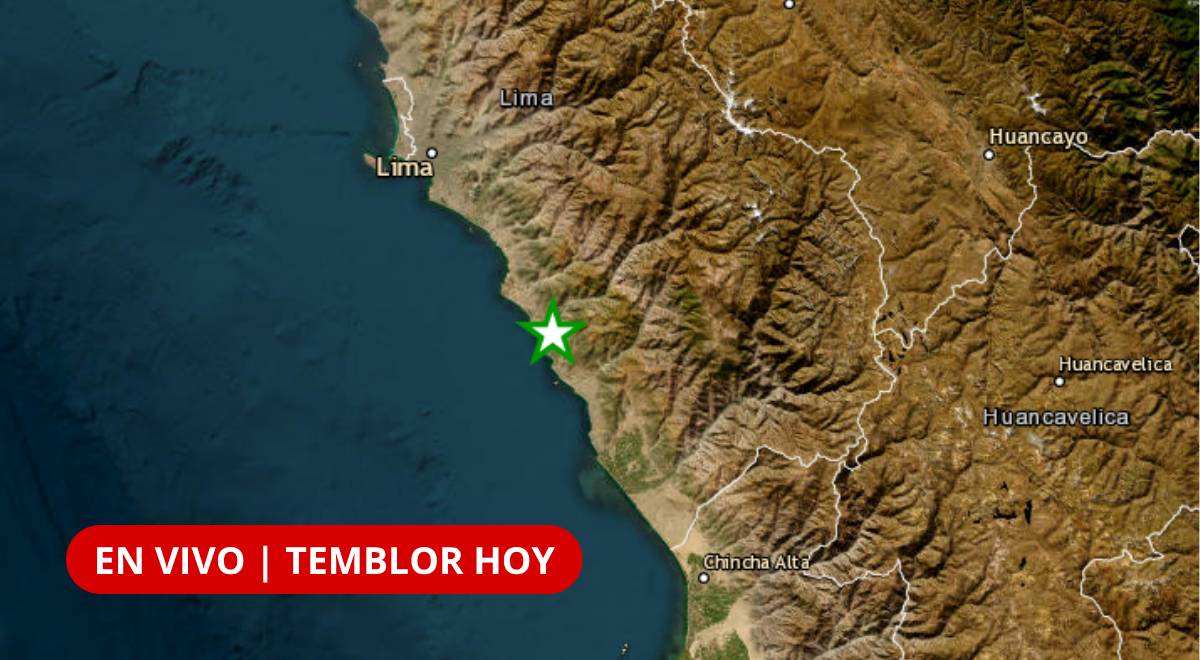
Peru recorded a magnitude 3.7 earthquake near Mala, Cañete at 01:39 local time on 21 September 2026 and a magnitude 3.4 quake near Huancabamba, Piura at 16:25 local time the same day. [5] The Centro Sismológico Nacional of the Instituto Geofísico del Perú maintains monitoring of seismic activity across the national territory. [5] Recommended items for an emergency kit include water, non-perishable foods, a flashlight, a battery-powered radio, a first-aid kit, medicines, bandages, alcohol or disinfectant, blankets, hygiene articles, and products specific for babies, older adults, or people with special needs. [5] After a strong movement, people are advised to avoid approaching damaged structures and to stay attentive only to information from official authorities. [5] National emergency numbers listed include Central policial: 105, Bomberos: 116, Defensa Civil – Emergencias: 115, Policía de carreteras: 110, Infosalud: 113, Información COVID-19 – EsSalud: 107, Denuncias por violencia familiar: 100, Atención médica EsSalud for women victims of violence: 4.118.000 (opción 6), and Cruz Roja Peruana: 2.660.481. [5]
Context of Pacific Ring of Fire Vulnerability
Indonesia and Peru share a location on the Pacific Ring of Fire, making both countries prone to earthquakes. [4] [5] Indonesia’s efforts focus on building resilience through the joint early warning project with Japan, drawing lessons from recent quakes including the 7.7 magnitude event off Flores in East Nusa Tenggara in mid-August that killed more than 140 people. [4] Peru’s constant seismic monitoring and public guidance on emergency preparedness reflect similar attention to response measures in the shared tectonic setting. [5]
What to watch next includes further trial runs of Indonesia’s early warning system components by 2030 and continued seismic reports from agencies monitoring activity in the Pacific Ring of Fire regions.