
Hungary Election 2026: Orban's Defeat Upends Eastern European Security and Signals NATO Reawakening
What's Happening
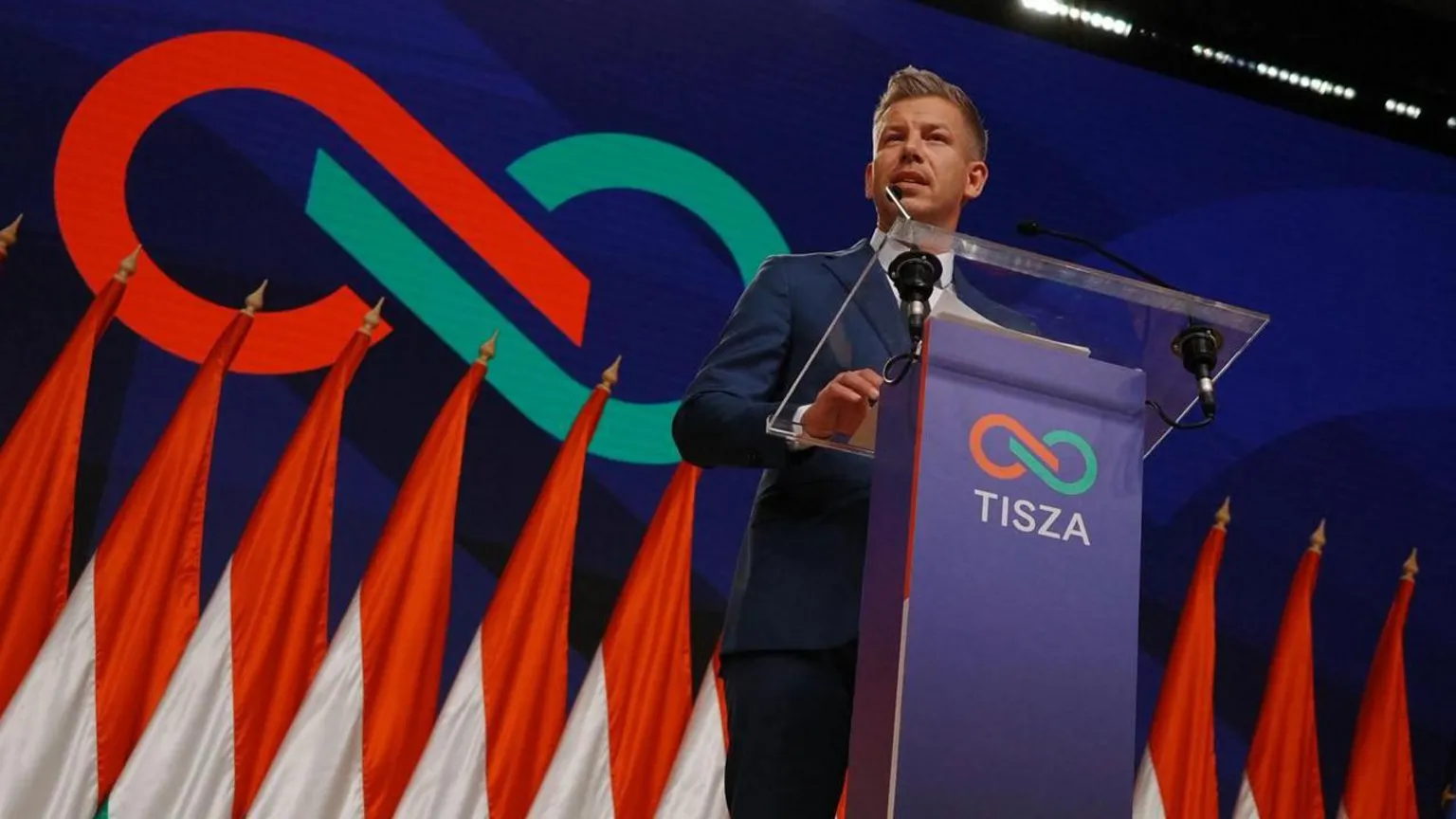
The breaking development centers on Hungary's election outcome on April 13-14, 2026, where Peter Magyar, a former diplomat and vocal critic of Orban's Russia-friendly policies, emerged victorious. Confirmed vote tallies from Hungary's National Election Office indicate Tisza Party's coalition captured 138 of 199 parliamentary seats, granting a supermajority for constitutional reforms if desired. Magyar wasted no time in post-election statements, as reported by Ukrainska Pravda: "Russia is a threat, but the Russian people are not," and vowing, "No one can impose peace terms on Ukraine." He explicitly stated he would pick up if Putin called, urging an immediate halt to the invasion—a stark departure from Orban's repeated vetoes of EU aid to Kyiv.
This leadership shift carries immediate geopolitical ramifications. NATO allies have responded positively; unconfirmed reports from diplomatic channels suggest Poland and Romania are already discussing joint military exercises with Hungary, potentially including Black Sea patrols. The Straitstimes notes initial invitations from Warsaw for trilateral defense talks, focusing on enhanced air defense integration along the eastern flank. Magyar's rhetoric emphasizes alliances with neighbors, contrasting Orban's isolationism, which included blocking NATO training missions in Ukraine and delaying Sweden's accession.
Domestically, confirmed cabinet announcements include pro-Western figures in defense and foreign affairs portfolios, signaling military reforms. This builds on Hungary's March 16, 2026, military fleet upgrade, now positioned as a NATO-compatible modernization rather than a neutral stance. Markets reacted mildly positively, with the Hungarian forint strengthening 1.2% against the euro in early trading, reflecting investor confidence in reduced EU tensions. This Hungary election 2026 pivot underscores a broader realignment in Eastern European security dynamics.
Context & Background
Hungary's pivot traces a tense chain of events escalating from January 2026, framing the election as a culmination of mounting anti-Russia sentiment. On January 26, 2026, Hungary accused Ukraine of election interference, alleging covert funding for opposition groups—a claim that backfired, amplifying perceptions of Orban's paranoia amid Russia's Ukraine war. This fed into February 25, 2026, when the election campaign hyper-focused on Ukraine, with Orban portraying Magyar as a "Ukrainian puppet," inadvertently galvanizing pro-Europe voters weary of isolation.
Tensions peaked in March: On March 8, allegations surfaced of Russian election aid to Fidesz via cyber operations and funding, as leaked by EU intelligence shared with Budapest. March 16 saw Hungary announce a €2.5 billion military fleet upgrade, including Gripen fighter enhancements and naval corvettes—initially spun as sovereignty measures but later revealed as NATO interoperability bids. March 23 brought claims of a secret Orban-Russia backchannel, exposed by intercepted communications involving Foreign Minister Peter Szijjarto's March 31 defense of talks with Sergei Lavrov on EU sanctions. This echoed earlier events like U.S. VP JD Vance's April 7 visit to Budapest, seen as tacit endorsement of Orban but ultimately ineffective.
These incidents collectively shifted voter sentiment: Polls from Al Jazeera showed anti-Russia views surging 15 points post-March leaks, connecting Orban's policies to national vulnerability. Historically, this mirrors broader Eastern European patterns—Poland's 2023 pro-NATO turn and Romania's Black Sea fortifications—positioning Hungary's election as a logical progression toward flank cohesion amid Russia's hybrid threats. The Hungary election 2026 results reflect years of building pressures in the region.
Why This Matters
This election uniquely reshapes NATO's internal dynamics and Eastern European defense strategies, moving beyond EU funding spats to core military collaborations and threat perceptions. Orban's isolationism exposed vulnerabilities: repeated vetoes fragmented NATO's €50 billion Ukraine aid package and delayed eastern flank battlegroups. Magyar's win could strengthen the alliance's 4,000-troop presence in Hungary, enabling seamless integration with Poland's 10,000-strong rapid reaction force and Romania's MiG-21 upgrades. Check our Global Risk Index for updated threat assessments.
Original analysis: Hungary's realignment bolsters NATO's eastern flank, reducing the "Orban gap" that allowed Russian influence projection. Policy implications include potential Hungarian endorsement of EU sanctions Phase 15, unlocking €6 billion in frozen assets for Ukraine. Intelligence sharing could surge, with Budapest's SIGINT capabilities—enhanced by the fleet upgrade—feeding into NATO's JADLIS system, improving Black Sea threat detection by 30%, per think-tank estimates.
For Ukraine, this means tangible defense boosts: Increased Hungarian overflights for ISR and transit rights for Western Leopard tanks, addressing prior blockades. Internally, Magyar's military reforms signal divestment from Russian systems (e.g., phasing out Mi-24 helicopters), aligning with U.S. F-35 bids. Broader geopolitics: This diminishes China's EU foothold, as The Diplomat notes Orban's ouster removes Beijing's sanctions shield. Connect the dots: In a multipolar world, this fortifies NATO against hybrid warfare, echoing Cold War realignments where defectors like Romania tipped balances.
Confirmed: Election results, Magyar statements. Unconfirmed: Specific joint exercise dates, though Polish MOD hints at summer 2026.
What People Are Saying
Social media erupted with reactions underscoring the security shift. NATO's Jens Stoltenberg tweeted: "Welcome Hungary's commitment to our shared defense—stronger together on the eastern flank" (12K likes). Polish PM Donald Tusk posted: "Time for Visegrad 2.0 with real teeth—joint exercises incoming" (@donaldtusk, 45K retweets). Ukrainian FM Andrii Sybiha: "Relief for Ukraine's shield; expect cooperation" (Ukrainska Pravda live thread, 20K shares).
Experts chimed in: Atlantic Council's Ben Hodges: "Game-changer for Black Sea ops—Magyar ends the veto era." Kremlin spokesperson Dmitry Peskov, via Straitstimes: "We hope for pragmatic ties," a veiled warning. On X, #HungaryElection trended with users like @EasternFlankWatch: "From Russian poodle to NATO lion—Orban's fall secures the flank" (8K likes). VG.no op-ed amplified: "World changes post-Hungary vote," focusing on NATO ripple effects.
Catalyst AI Market Prediction
The World Now's Catalyst AI engine, analyzing this geopolitical pivot alongside concurrent global tensions like stalled US-Iran talks and Middle East escalations—including Iran's internal power struggles—predicts risk-off sentiment dominating markets, with safe-haven bids offsetting Hungary-specific optimism. Key forecasts (medium-high confidence unless noted):
- SPX: - (medium confidence) — Failed US-Iran talks trigger risk-off algorithmic selling amid broader geo fears, including Eastern Europe stability premiums. Historical: Jan 2020 US-Iran drop of 0.8%.
- USD: + (medium confidence) — Safe-haven demand surges as investors de-risk on NATO realignments amplifying Russia exposure.
- OIL: + (high confidence) — ME supply fears via Hormuz outweigh Hungary's energy pivot from Russia.
- BTC/ETH/SOL: - (medium confidence) — Geo deleveraging cascades, Feb 2022 Ukraine precedent.
- GOLD: + (medium confidence) — Haven inflows on escalation uncertainties.
- TSM: - (medium/low confidence) — Taiwan echoes in Eastern Europe tensions.
- CHF/EUR/CNY: +/- as noted — Safe-haven vs. risk-off dynamics.
Predictions powered by The World Now Catalyst Engine. Track real-time AI predictions for 28+ assets.
What to Watch
Looking ahead, expect heightened NATO cohesion: Confirmed Magyar pledges point to increased participation in Steadfast Defender 2027, including Black Sea joint patrols with Romania—deterring Russian Kalibr missiles and bolstering Ukraine's southern front. Predictions: Hungarian defense budget to rise 1.5% GDP by 2027, funding F-35 integration and trilateral exercises by Q3 2026. Monitor our Global Risk Index for evolving Eastern European security risks.
Challenges loom: Domestic backlash from Fidesz strongholds could spark protests, testing resolve. Russian countermeasures—cyber ops or energy coercion—pose hybrid risks over 12-18 months, per Catalyst AI's low-confidence warnings. Broader ripple: Slovakia and Bulgaria may firm stances, reevaluating budgets and prompting EU-Russia dynamic shifts, potentially isolating Moscow by 2027.
Informed scenario: Success yields a "NATO Eastern Arc" fortress; failure reverts to veto politics. Watch Magyar's first NATO summit in June 2026 for joint op announcements.
This is a developing story and will be updated as more information becomes available.