
Global geopolitics shifts as Central Asia considers China for water security after Iran war
The US-Israel war on Iran has crippled global supply chains and triggered an oil shock that is prompting Central Asia to consider greater reliance on China for water security while adding urgency to Cambodia's efforts to develop its energy resources. These developments in geopolitics global underscore how conflict in one region can reshape strategic calculations across distant continents.
Iran conflict disrupts global supply chains
The US-Israel war on Iran has crippled global supply chains, choking off the world’s energy supply alongside reserves of critical commodities. [1] This disruption forms the primary trigger for the immediate effects on energy and commodities reported across multiple regions. The conflict has produced an oil shock that reverberates through fuel markets, directly affecting nations dependent on stable imports for both daily needs and long-term planning. [2] As supply lines face sustained pressure, the resulting scarcity elevates the cost and availability of essential resources, forcing governments to reassess existing partnerships and timelines. Source material confirms that these supply chain interruptions stem explicitly from the Iran conflict, with no other factors cited as the originating cause. [1]
Central Asia shifts strategic focus to China
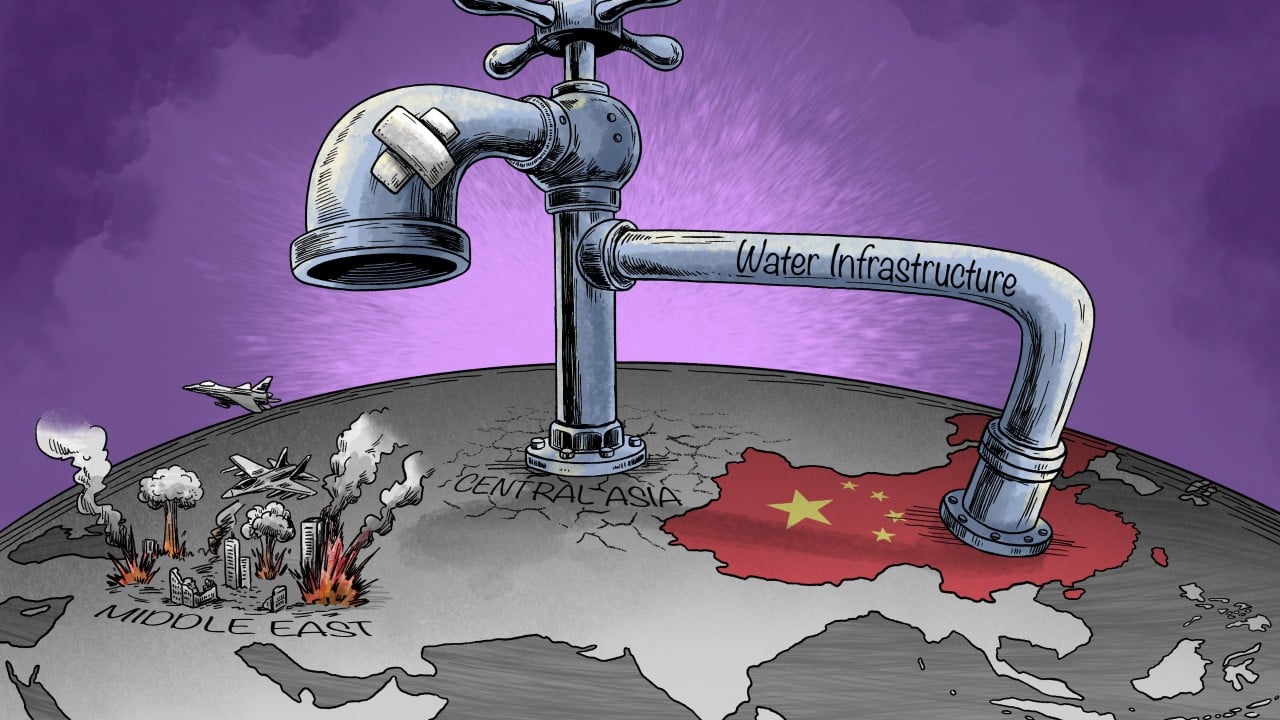
Central Asia is tilting more decisively towards China as geopolitical uncertainty deepens from the Iran conflict. [1] Vulnerabilities from the Iran war are making Central Asian states look to Beijing for water security solutions, with Beijing’s expanding influence recasting the former Soviet states’ strategic orientation. [1] In the first of a three-part series, reporting details how the water security fears stoked by the conflict could accelerate this regional turn. The same source notes that the US-Israel war on Iran has laid bare these vulnerabilities, prompting the former Soviet states to view China as a potential partner in addressing resource constraints that the conflict has intensified. [1] This reported tilt remains grounded in the deepening uncertainty, without reference to unrelated external pressures.
Cambodia accelerates energy development
Cambodia's energy minister stated that the oil shock from the Middle East conflict has increased urgency to resolve a long-running maritime dispute with Thailand. [2] Cambodia is accelerating plans to tap an estimated US$300 billion in energy resources due to the global fuel crisis. [2] The same reporting outlet repeats that the global fuel crisis adds urgency to the Cambodian push, linking the minister’s comments directly to the need for faster progress on both the maritime issue and resource development. [3] These steps respond specifically to the fuel disruptions triggered by the conflict, with the US$300 billion figure presented as the scale of resources now under accelerated consideration.
Broader geopolitics global implications
The combined effects on former Soviet states and Southeast Asian energy strategies appear in the reported responses to the same set of disruptions. [1] [2] Central Asia’s consideration of greater reliance on China for water security occurs alongside Cambodia’s push to advance energy projects, both traceable to the Iran conflict’s impact on supply chains and fuel availability. [1] [3] The sources present these shifts as parallel outcomes without additional framing, noting the recasting of strategic orientation in one region and the heightened ministerial focus on dispute resolution in another. Inline references to the source excerpts confirm the linkage through the shared origin of the oil shock and supply chain strain. [1] [2]
What to watch next: Further reporting in the three-part series on Central Asia may detail additional water security proposals involving China, while Cambodian efforts to address the maritime dispute with Thailand could determine the pace of accessing the estimated US$300 billion in energy resources.