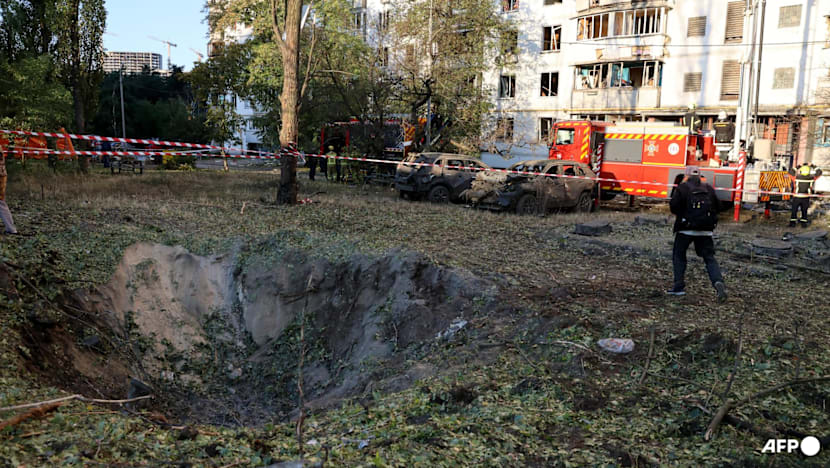
Houthis Capture Mocha as 100,000 Flee Renewed Yemen Fighting
Renewed Offensive and Capture of Mocha
Heavy fighting broke out across Yemen on 3 September after the Houthis launched an offensive to seize the country’s Red Sea coast from the UN-recognised government. [4] After around a week of back-and-forth fighting, the Houthis made a rapid advance along the coast on 10 September, capturing Mocha and later reaching the outskirts of Lahj province. [4] Government forces targeted Houthi positions with airstrikes in Taiz and downed an explosive-laden drone in Al-Dhalea. [2] The government declared a “kill box” in the area and, backed by the Saudi Air Force, launched strikes on Houthi targets. [4] The fall of Mocha shocked the UN-recognised government because of the speed with which the city and surrounding coastline were captured. [4] Fighting is expected to continue after the government declaration. [4]
Displacement and Humanitarian Impact
Around 100,000 people have been displaced by the renewed fighting in Yemen, according to the UNHCR. [4] 12,597 newly displaced households, or 86,415 individuals, have been reported across Abyan, Aden, Al Hodeidah, Lahj, Shabwah and Taiz governorates. [1] Sixty-three percent of all newly displaced households originate from Taiz. [4] Civilians fled south, with people moving from around Taiz to Lahj and then onto Aden to try and find safety and support. [4] Many of these families do not have enough food or water as they had to flee with whatever they could carry, and in some areas whole villages have reportedly emptied. [4] Several families who were already in displacement and were residing in displacement sites that are in frontline areas in Taiz have fled to new locations. [4] The UNHCR also reported that 2,400 people crossed the Red Sea to Djibouti and are being registered in Markazi refugee camp. [4]
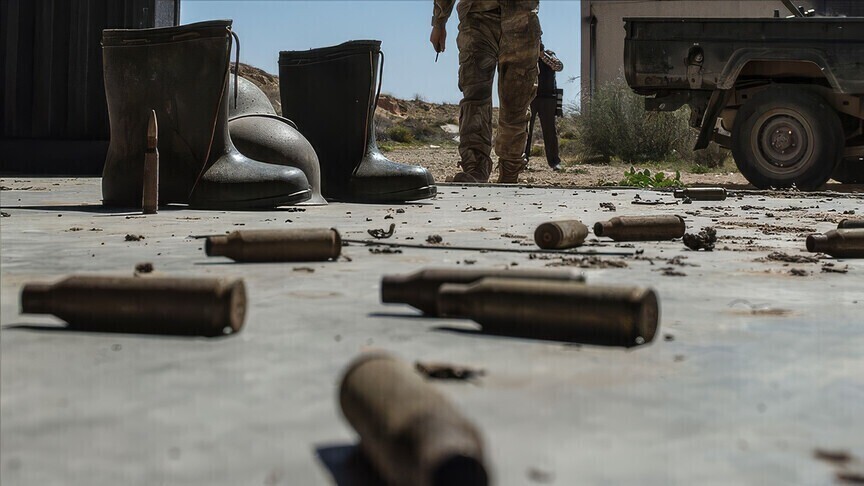
Houthis advance and capture Mocha on Yemen's Red Sea coast amid heavy fighting. — Source: anadolu
Health Facilities and Medical Response
Fifteen of 19 International Medical Corps-supported health facilities remain operational across the west coast, with four non-functional. [1] The Houthi takeover of Mocha has had a major impact on both medical activities and the needs of the population in recent days. [4] The rapid advance of Houthi forces has fundamentally changed the situation, forcing MSF to alter plans to reopen a former field hospital in Mocha, provide water to displaced people and establish cholera isolation and treatment units in Mocha and Khawkah to the north. [4] MSF has focused on keeping Mocha General Hospital operating after Yemeni healthcare workers fled alongside civilians. [4] Only 30 healthcare workers remain at the hospital, providing minimum services. [4] Almost all other healthcare facilities in the city have stopped functioning, largely because their staff had left. [4] Bombardments were continuing and MSF would remain to provide healthcare to civilians amid uncertainty over what comes next. [4]
Houthi Weapons Programs and Iranian Support
A new report by Conflict Armament Research examines the sources of Houthi weapons and highlights their continued close ties to Iran. [3] External support remains a key factor in the Houthis’ ability to sustain operations, and the evidence suggests that there is a high degree of planning and coordination on these supplies. [3] In some cases, the Houthis are even receiving missiles in ready-made kits with assembly instructions. [3] Conflict Armament Research has documented these assembly labels, which indicate which component belongs to what missile system, and all of these labels use Iranian missile designations, rather than the terms that the Houthis themselves use. [3] Iranian support has been crucial to the buildup of Houthi military capabilities. [3] Iran has managed to secure a seemingly steady flow of technology to the Houthis and has proven willing to share even some of its most advanced capabilities, such as the Kheybarshekan medium-range ballistic missile, with the group. [3] Conflict Armament Research has analyzed over 800 weapon components from Yemen in the past year, and the vast majority found in Iranian missiles and drones in Yemen are foreign. [3] The components come from 16 countries and territories, and include commercially available components. [3] The new report argues that the Houthi capture of the Red Sea coast would significantly improve their maritime posture. [3] Using these areas as launch sites for short-range reconnaissance and strike assets would enable much closer surveillance of maritime traffic through the strait and more effective targeting of vessels attempting to transit it. [3]

Houthis advance along Yemen's Red Sea coast after capturing Mocha. — Source: jerusalempost
Aid Operations Under Funding Constraints
Aid groups have been forced to navigate shifting frontlines and a precarious security situation while responding to a crisis already strained by deep cuts to international assistance. [4] Frontlines have reopened across five governorates in a matter of days, key roads have been cut, and many families are once again being displaced into areas with little capacity to receive them. [4] Eighteen million people across Yemen were already facing acute hunger before the latest escalation. [4] Disruptions to essential supplies or restrictions on access could have catastrophic consequences. [4] The number of stock and emergency resources is limited, with overall humanitarian response deeply underfunded. [4] The Organisation for Economic Co-operation and Development estimates that aid spending from Development Assistance Committee countries fell 23.1% in 2025 from 2024 levels, with a further 5.8% decline projected for 2026. [4] Funding reductions have led to cuts in food, nutrition and health services in Houthi-controlled northern Yemen, which accounts for 70% of the population. [4] Oxfam has been forced to shut down one intervention in the Taiz area, where it helped run a community centre with a local partner. [4] The security situation is what is stopping organisations from intervening in certain areas. [4]
Regional Context and Strategic Implications
The renewed hostilities bring to an end a ceasefire in the Yemeni conflict that had been in place since 2022. [5] The ceasefire lapsed in October of that year but both sides largely refrained from major escalatory actions and the level of conflict remained low. [5] Hopes for a more substantial deal between the warring parties were briefly raised in March 2023 when China brokered a rapprochement between Iran and Saudi Arabia. [5] The Houthis expressly rejected the notion that normalisation of relations between the two regional powers should lead to a deal between the Houthis and Saudi Arabia. [5] The advance of the Houthis has alarmed Yemen’s northern neighbor, Saudi Arabia. [5] The Houthis’ drive down the coast constitutes a military setback for the Saudis and the pro-government forces they have long supported militarily and financially in Yemen. [5] The Saudis have become more reliant than ever on access to Bab al-Mandeb to export their oil since the effective closure of the Strait of Hormuz following the outbreak of war between the US, Israel and Iran in February 2026. [5] Control of Yemen’s western coast would allow the Houthis to further restrict Saudi Arabia’s energy exports. [5] The Bab al-Mandeb Strait was carrying roughly 7% of global oil supplies by June. [5] The capture of the coast has also raised international concern over the potential impact on global shipping and energy markets. [4]
What to watch next: The capture of the coast has raised international concern over the potential impact on global shipping and energy markets following major disruption around the Strait of Hormuz during the US-Iran war and previous Houthi attacks on shipping in the Bab al-Mandeb since the start of Israel’s war on Gaza. [4] The UNHCR warned that the fighting is raising broader concerns over humanitarian logistics as potential closure of the Bab al-Mandeb could affect humanitarian and commercial shipping serving Yemen, Sudan, and other operations in the region. [4]