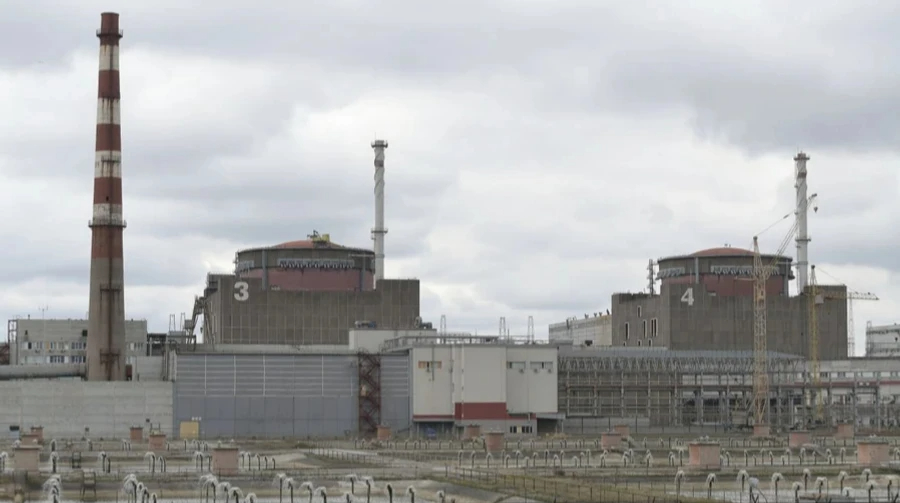
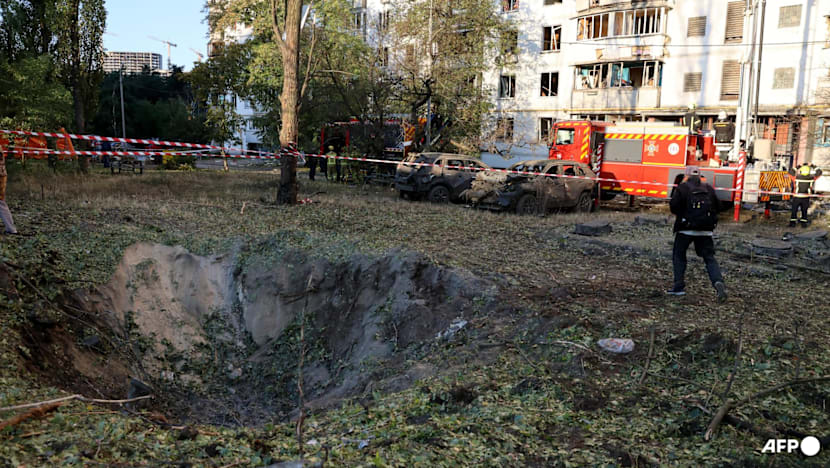
WW3 Map Updates Show Iran Conflict Depletes Half of US Missile Interceptor Stocks
UN-backed experts have found reasonable grounds that the United States committed war crimes in two strikes on Iran on the first day of the war, as the conflict with Iran continues with Trump stating it could end pretty soon while costs soar past $38 billion and munitions stockpiles are heavily depleted according to ww3 map assessments.
UN Assessment of Potential US War Crimes
UN-backed human rights experts stated there are reasonable grounds to believe the United States committed war crimes in two strikes in Iran on the first day of the war. [1] The experts issued their assessment on Thursday amid ongoing Mideast developments. [1] The Palestinian Authority separately condemned a U.S. decision to deny its requests in related matters. [1]
Trump Statements on War Duration and Future Strikes
U.S. President Donald Trump said the war with Iran could end “pretty soon.” [2] He reiterated that the United States remains prepared to launch further strikes if necessary. [2] Trump also insisted that Tehran will never obtain a nuclear weapon. [2] He made the remarks while speaking in North Carolina on Wednesday. [2]
Financial and Munitions Costs to the United States
Congressional figures show the United States has already spent nearly $40 billion on the war against Iran. [3] The Congressional Budget Office calculated that direct costs to the United States had exceeded $38.1 billion by August 1. [3] Each additional month of fighting is expected to add between $2 billion and $3 billion. [3] More than half of the war’s cost so far, roughly $21.7 billion, has gone toward replenishing munitions, including $13.1 billion worth of missile interceptors. [3] U.S. forces have depleted between one-half and two-thirds of their stockpiles of missile interceptors including Patriot, THAAD, Standard Missile-3 and Standard Missile-6 since June 2025. [3] Restoring inventories to pre-June 2025 levels could take five years or more. [3] The Pentagon requested an emergency appropriation of $90 billion last spring, with roughly $70 billion intended for war-related expenses. [3] ww3 map updates track these rapid changes in interceptor availability across multiple theaters.

President Donald Trump speaks about the Iran conflict in North Carolina. — Source: khaamapress
Iranian Tactical Shifts and Regional Allied Actions
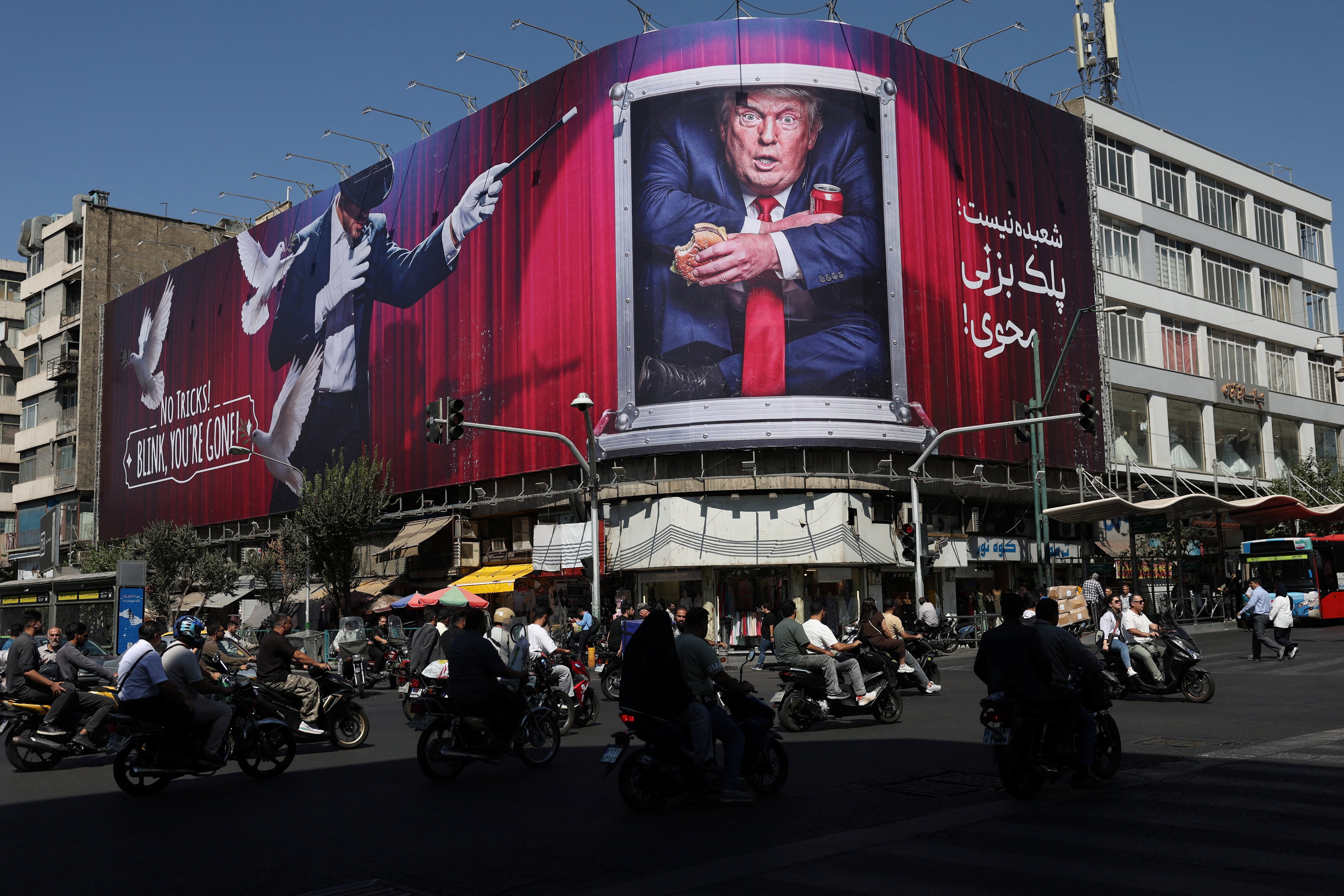
UN experts cite reasonable grounds for US war crimes in first-day strikes on Iran. — Source: elpais
Iran has adjusted its strategy to launch large volleys of projectiles. [3] In one recent attack, Iran fired more than 20 missiles at U.S. bases in Jordan. [3] Iran’s Houthi allies in Yemen are threatening to close the Bab el-Mandeb Strait. [3] Iran’s Foreign Minister Abbas Araghchi heads to China to meet his counterpart Wang Yi as Beijing attempts to mediate an end to the conflict. [4] The Houthi Foreign Ministry says navigation remains safe in the Bab al-Mandeb strait while blaming Saudi Arabia for attempting to mislead the international community. [4] US officials met representatives of Yemen’s Houthis in Oman over the weekend. [4]
Physical Damage to US Bases and Pentagon Review
Iranian strikes have damaged or destroyed hundreds of buildings and facilities at U.S. bases in Kuwait, Bahrain, Qatar, the United Arab Emirates, Saudi Arabia, Iraq, Oman and Jordan. [3] Dozens of aircraft have been damaged or destroyed in those attacks. [3] The Pentagon inspector general’s report concluded that the fighting has caused strategic inventory shortfalls and revealed industrial base bottlenecks for munitions resupply. [3] The inspector general called on the Department of Defense to streamline procurement processes and production lead times. [3] Both Trump and Defense Secretary Pete Hegseth have denied that U.S. arsenals are facing munitions shortages. [3]
Economic Impact on the US and Political Context
The congressional analysis forecasts that the conflict will add half a percentage point to inflation in the first quarter of 2027 owing to elevated energy prices. [3] The crisis has contributed to higher borrowing costs, adding 0.2 percentage points to short-term interest rates relative to prewar expectations. [3] Trump has insisted that developments in the Persian Gulf have nothing to do with rising oil and fuel prices and has instead blamed the Russia/Ukraine war. [3] The war’s effects are complicating Trump’s prospects ahead of November’s midterm elections. [3]
What to watch next: Iran’s continued use of large missile volleys and Houthi threats to close the Bab el-Mandeb Strait remain key factors as the Pentagon seeks emergency funding and production increases for interceptors.