Houthi Strike Kills at Least 12 at Riyadh International Airport
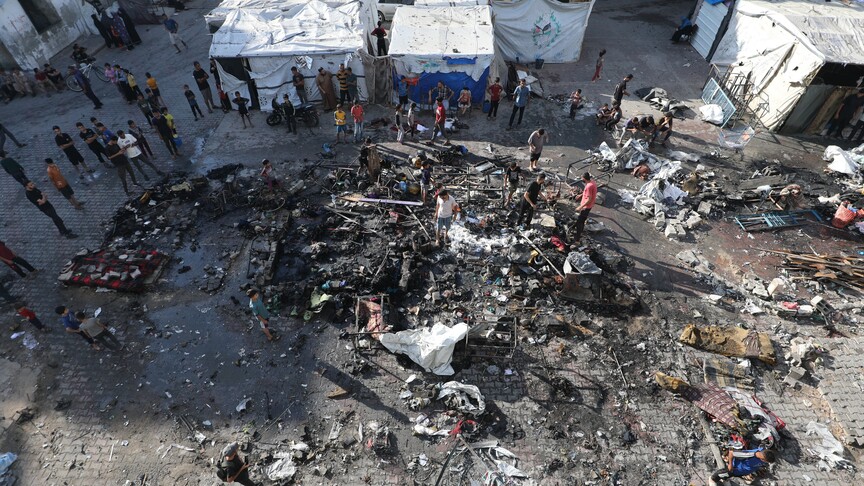
Houthi rebels launched a deadly strike on Riyadh’s international airport on October 10 that killed at least 12 people and wounded more than 300, prompting the postponement of major sporting events and vows of continued attacks on Saudi airports and oil facilities.
Deadly Houthi Strike on Riyadh Airport
The October 10 strike on King Khalid International Airport in Riyadh was claimed by Yemen’s Iran-aligned Houthi movement and is described as the deadliest attack in Saudi Arabia in more than a decade. [1] The attack killed at least 12 people and wounded more than 300. [1] One source reported 13 people killed and hundreds injured in the strike. [4] Riyadh’s international airport has come under attack four times, with Saturday’s incident the deadliest in Saudi Arabia in a decade. [5]
Impact on Sporting Events
The Six Kings Slam tennis tournament originally scheduled for October has been postponed to December 27 to 30, organizers said after the recent attacks on Saudi Arabia. [1] The decision reflects Riyadh Season’s commitment to delivering sporting events to the highest standards, following an assessment of the organizational and logistical challenges associated with hosting the tournament and their potential impact on the quality of the audience experience, organizers said in a statement. [1] The Asian Football Confederation is open to postponing the Asian Cup to 2028. [1]
Subsequent Attacks on Oil and Infrastructure
Houthis have conducted follow-up strikes including a missile and drone attack on Saudi Aramco facilities in Dhahran that caused a fire. [5] Tuesday night’s attack on Saudi Aramco’s base in the eastern city of Dhahran caused a fire that spread across several floors, three people with knowledge of the matter told Reuters. [5] The Saudi energy ministry had said the strike caused a limited fire. [5] The Houthis said they had launched ballistic missiles, cruise missiles and drones at the Saudi Aramco facilities in Dhahran, Riyadh airport and an Aramco refinery in Riyadh. [5] Operations at Aramco were continuing normally, with employees working from home, according to two of the sources. [5]
Houthi Vows and Saudi Response
Houthis have vowed to continue targeting airports and oil infrastructure. [2] Yahya Saree, a Houthi military spokesman, said the Iran-backed group had conducted a high-quality military operation targeting Aramco in Dhahran, as well as strikes targeting Riyadh airport and a refinery in the capital. [5] He added the attacks were carried out with missiles and drones, and that operations will continue in the coming days, targeting Saudi enemy airports and oil facilities. [5] Saudi-led forces reported intercepting a Houthi ballistic missile toward Riyadh, with explosions heard in the capital and the airport closed until at least October 17. [5] The Saudi-led coalition said it had intercepted a ballistic missile fired by the Houthis towards Riyadh on Wednesday, and several loud booms were heard in the Saudi capital. [5] Saudi authorities earlier issued an alert for a possible aerial threat in Riyadh on Wednesday before the warning was lifted, a witness said. [5] Authorities have closed the airport until October 17, and airlines have canceled flights to Saudi Arabia. [5]
Context of Renewed Yemen Conflict
The attacks are framed by Houthis as retaliation for Saudi strikes on Yemen and the kingdom’s support for Yemeni government forces, occurring amid renewed conflict in Yemen and following a U.S.-Israeli strike on Iran. [5] The Houthis say they have been retaliating for the kingdom’s backing of Yemeni government forces in the Yemen war that restarted last month. [5] Saudi Arabia resumed its military campaign in Yemen in support of the internationally recognised government in a bid to reverse the Houthis’ sudden gains last month, when they swept down the Red Sea coast to the critical Bab el-Mandeb Strait. [5] The UN brokered a 2022 truce between the warring sides in Yemen that kept a fragile peace until this year. [5] Fearing the rise of Iranian influence and the prospect of chaos on its borders, Saudi Arabia intervened in Yemen’s civil war in support of the government in 2015 after the Houthis seized the capital Sanaa. [5]
Broader Regional and Economic Implications
The escalating conflict has dealt a blow to Saudi Crown Prince Mohammed bin Salman’s ambitious plans to transform and diversify the Saudi economy and reduce its reliance on oil. [5] The Red Cross said on Wednesday that hospitals across Yemen are struggling to cope with a sharp rise in war casualties as fighting intensified along multiple front lines. [5] The UN World Food Programme warned that life-saving assistance had been cut off to the government-held city of Taiz, which was encircled by Houthi fighters earlier this month. [5] WFP and its partners cannot access more than 600,000 people in Taiz who depend on humanitarian assistance, including more than 200,000 women and children, WFP said in a statement. [5] In a broad threat, the Houthis urged international shipping companies, civilians and workers to evacuate Saudi airports and oil facilities. [5]
What to watch next: The Houthis have vowed that operations will continue in the coming days, targeting Saudi enemy airports and oil facilities, while the Asian Football Confederation remains open to postponing the Asian Cup to 2028 amid ongoing disruption to the sports calendar.