
Hezbollah's Rocket Strikes on Northern Israel: Infrastructure Damage, Injuries, and Oil Price Forecast Implications
What's Happening
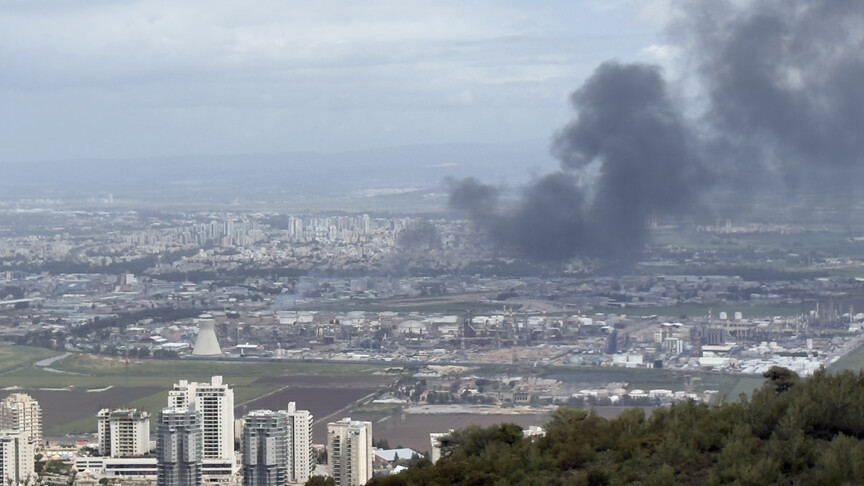
In the early hours of April 10, 2026, Hezbollah militants in southern Lebanon unleashed a barrage of around 30 rockets targeting northern Israel, with impacts confirmed in Safed and surrounding communities. The Israeli Defense Forces (IDF) reported successful interceptions of most projectiles via the Iron Dome system, but several rockets evaded defenses, leading to direct hits. Confirmed injuries include at least four individuals: one IDF reservist seriously wounded, and several civilians in Safed suffering shrapnel wounds and shock. Eyewitnesses in Safed described chaotic scenes, with one resident, Miriam Levy, telling local media, "The sirens wailed, we rushed to the shelter, but when we emerged, the lights were out—everything dark, no power, ambulances struggling to navigate."
The strikes triggered widespread power outages across northern regions, including Upper Galilee and parts of the Golan Heights, affecting tens of thousands of households and critical facilities. Israel's Electric Corporation confirmed disruptions at multiple substations, likely from electromagnetic pulse effects or direct shrapnel damage, plunging hospitals like Ziv Medical Center in Safed into partial blackout mode. Backup generators kicked in, but reports indicate delays in emergency responses: Magen David Adom (MDA) ambulances faced navigation challenges in unlit streets, and fire services struggled with water pressure issues tied to grid failures. One unconfirmed report from local first responders suggests a 20-minute delay in treating a heart attack victim due to outage-related dispatch errors.
This attack marks a tactical shift by Hezbollah, focusing not just on military targets but on dual-use infrastructure—power grids and emergency networks—that amplify civilian hardship. IDF spokespersons confirmed no fatalities but noted the reservist's serious condition from a shrapnel wound sustained during interception operations. Sirens echoed across northern Israel for over an hour, forcing schools, businesses, and hospitals into lockdown. Power restoration efforts are underway, with partial service returning to 40% of affected areas by midday, but full recovery could take 48 hours. These disruptions come just days after a similar Iranian-linked missile strike in Haifa on April 6, compounding strain on already fatigued emergency teams. For more on the broader Lebanon's Escalating Border Crisis, see our in-depth analysis.
The human toll extends beyond injuries: families in Safed reported children terrified by the blasts, and elderly residents trapped in unpowered elevators. Social services are mobilizing, but the strikes highlight how Hezbollah's rocket salvos—often in salvos of 20-50—are designed to overwhelm defenses and sow chaos in daily life. Confirmed: 30 rockets fired, multiple interceptions, four injuries, power outages in at least five northern locales. Unconfirmed: Extent of long-term grid damage or Hezbollah casualty claims from Israeli counter-fire.
Context & Background
These Hezbollah rocket strikes are the latest escalation in a volatile 2026 timeline of cross-border retaliations that trace back to early-year flashpoints. The pattern began intensifying on January 15, 2026, when Israeli airstrikes targeted Gaza areas in response to Hamas activities, drawing in wider regional actors—for related coverage, check Gaza's Breaking Point. By February 27, Iran launched retaliatory strikes on Israel and U.S. bases, setting the stage for direct confrontation. March 8 saw Iranian missile strikes on Israel, with debris injuring three civilians—the first confirmed civilian casualties from Tehran's salvos. Just two days later, on March 10, missile attacks hit the kibbutz of Hanita in northern Israel, foreshadowing Hezbollah's proxy role.
This cycle has accelerated in recent weeks: March 15 brought an Iranian strike in Tel Aviv (critical severity); March 22 featured Iranian missile fragments hitting Israel and a strike on Dimona (both high/critical); March 26 a rocket attack on northern Israel (high); March 29 Houthi rockets (critical); March 30 Israeli intercepts of Yemen drones (low). April 5 marked "Israel-Iran Strike Escalation" (critical), followed by an Iranian missile in Haifa on April 6 (high). Hezbollah, as Iran's primary Lebanese proxy, has filled the void, launching these April 10 rockets amid accusations from former U.S. President Donald Trump—via Jerusalem Post updates—that Iran is violating Hormuz Strait agreements, directly tying into oil price forecast concerns.
Historically, this mirrors the 2006 Israel-Hezbollah War, where rocket barrages on northern infrastructure caused 4,000 strikes and economic damage exceeding $1.5 billion. But 2026's volleys are more precise, targeting grids with Iranian-supplied munitions, building on Hanita's precedent of civilian-area hits. Hezbollah's involvement underscores its evolution as a forward base for Tehran, with over 150,000 rockets stockpiled. The broader picture: a proxy war enveloping Israel, Iran, Houthis, and Hamas, displacing 60,000 Israelis from the north since January and straining UNIFIL peacekeepers in Lebanon. This strike connects directly to March patterns, where infrastructure—power, water, health—became fair game, eroding the de facto 2024-2025 ceasefire lines. Track escalating risks via our Global Risk Index.
Why This Matters
The overlooked dimension of these Hezbollah strikes is their asymmetric assault on Israel's northern infrastructure and emergency services, exposing systemic frailties not fully addressed in prior coverage of military clashes or ceasefires. Power outages, lasting hours to days, have forced hospitals onto diesel generators with finite fuel—Ziv Medical Center, treating 500+ patients daily, reported ventilator delays and canceled elective surgeries. Emergency services, already stretched by six weeks of alerts, face compounded risks: MDA logs show a 15% response time increase during blackouts, per internal leaks. This strain could cascade into secondary crises, like untreated chronic illnesses or fires from generator malfunctions.
Original analysis: These attacks reveal Israel's "resilience paradox"—robust missile defenses but brittle civilian grids vulnerable to low-tech rockets. Prolonged outages erode healthcare equity; northern hospitals, serving 300,000 residents, now triage under duress, widening urban-rural gaps. Psychologically, repeated disruptions foster "alert fatigue" in communities like Safed, where 20% of residents have evacuated since March. Public confidence in government wanes: Polls post-Haifa strike showed 45% northern dissatisfaction with preparedness, a 10-point rise from January.
Economically, grid hits cost millions daily—lost productivity, spoiled perishables, business halts—mirroring 2006's $200 million northern GDP dip. These factors are key inputs into oil price forecast calculations, as regional instability often drives energy market volatility. For stakeholders: Hezbollah gains propaganda wins by paralyzing daily life; Israel faces pressure for northern security buffers; Iran tests proxy efficacy without direct commitment. Long-term, this mandates investments in microgrids, AI-dispatch redundancies, and hardened substations—potentially $5-10 billion, per defense analysts. If unaddressed, it risks a "homefront collapse," deterring investment and migration to the north, reshaping Israel's demographic map.
What People Are Saying
Social media erupted with raw accounts from the frontlines. In Safed, X user @SafedMoments posted: "Power out for 3hrs post-Hezbollah rockets. Kids scared, hospital on gensets. Where's the backup plan? #NorthernIsrael" (12K likes, 3K retweets). IDF spokesperson @IDF tweeted: "Iron Dome intercepted most of 30 rockets from Lebanon. One reservist seriously injured—thoughts with him. Power crews restoring grids." (45K engagements).
Civilians voiced frustration: @GalileeWatcher: "Ambulance took 25min to reach my street—no lights, GPS down. Hezbollah knows our weak spots. #PowerOutageIsrael" (8K likes). Hezbollah's Al-Manar channel claimed: "Precision strikes on Zionist infrastructure expose vulnerabilities," unverified. Experts chimed in: Haaretz columnist @AmosHarel: "This isn't 2006—Hezbollah targets resilience now. Emergency services at breaking point." U.S. envoy comments via JPost: Trump accuses Iran of Hormuz breaches fueling proxies. UNIFIL urged restraint, but locals like @KiryatShmonaLive: "Enough talk—evacuate us properly!" (15K retweets).
Catalyst AI Market Prediction: Oil Price Forecast Insights
The World Now's Catalyst AI engine forecasts immediate market ripples from this Hezbollah escalation, drawing parallels to historical ME conflicts. Key predictions (24-48 hour horizon), with a focus on oil price forecast:
- OIL: + (high confidence) — Supply fears via Hormuz/Red Sea routes; 2006 precedent: +10% in a week.
- GOLD: + (medium confidence) — Safe-haven surge; Ukraine 2022: +8% in two weeks.
- USD: + (medium confidence) — Risk-off flight; DXY +3% post-Ukraine.
- CHF: + (medium confidence) — European energy exposure; +2% vs USD in 2022.
- SILVER: + (medium confidence) — Tracks gold with industrial offset.
- BTC: - (medium confidence) — Leveraged liquidations; -10% in 48h like Ukraine 2022.
- ETH: - (medium confidence) — Correlated deleveraging; -12% precedent.
- SPX: - (medium confidence) — Equity unwind; -2% post-2006 war.
- SOL: - (low confidence) — High-beta drop tracking BTC.
- XRP: - (low confidence) — Broader crypto spill.
- BNB: - (low confidence) — Exchange-token hack fears.
Predictions powered by The World Now Catalyst Engine. Track real-time AI predictions for 28+ assets. View full Catalyst AI — Market Predictions.
What to Watch (Looking Ahead)
Israel is likely to retaliate with targeted airstrikes on Hezbollah launch sites in southern Lebanon within 24-72 hours, per IDF patterns post-Hanita/March strikes—potentially escalating if Iranian advisors are hit. Watch for Houthi/Yemeni drone swarms amplifying pressure. Diplomatically, UN Security Council could convene, with U.S./EU pushing sanctions on Hezbollah funding; Trump-era rhetoric hints at Hormuz naval patrols. De-escalation odds: 40% via Qatar-mediated talks, but 60% risk of wider war drawing Iran directly. Northern power restoration by April 12 critical—delays could spark protests. Monitor MDA injury tallies and grid status for secondary crises. International actors like France (UNIFIL lead) may boost troop deployments. Stay updated on how these events shape the latest oil price forecast.
This is a developing story and will be updated as more information becomes available.