
Lebanon's Strikes and Oil Price Forecast: Catalyzing a New Era of Youth-Led Activism and Political Reform
Introduction: The Spark of Activism Amid Chaos
In the shadow of relentless Israeli strikes on Lebanon, a surprising undercurrent is emerging: a vibrant wave of youth-led activism demanding domestic political reform and an end to entrenched corruption. Recent escalations, including an Israeli attack on April 10, 2026, that killed 13 state security personnel in Nabatieh and Hezbollah's retaliatory firing of 3,000 missiles on Israel, have not only claimed lives—pushing the death toll from attacks since March 2 to 1,953—but have ignited public outrage that transcends immediate survival concerns. Reports from CNN highlight how Wednesday's strikes alone topped 300 deaths, with the figure rising to 357 according to Middle East Eye, underscoring the human cost that is fueling this mobilization. These events are directly influencing the oil price forecast, with analysts predicting upward pressure due to supply disruption fears.
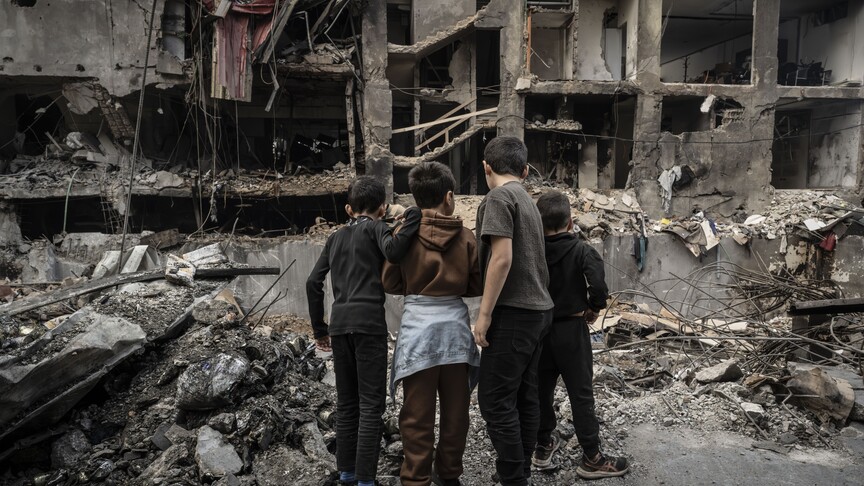
This unique angle shifts focus from the typical coverage of urban devastation, environmental fallout, or UN humanitarian missions to the internal societal resilience manifesting through grassroots responses. Lebanon's youth, long frustrated by a dysfunctional sectarian political system exacerbated by economic collapse since 2019, are channeling the chaos into organized protests. Social media platforms like X (formerly Twitter) and Instagram are ablaze with hashtags such as #LebanonRising and #YouthAgainstCorruption, where young activists decry not just external aggressions but the government's failure to protect civilians or reform institutions. For more on how strikes are redefining urban survival in Beirut's battlegrounds, see our detailed report.
For global audiences, this represents a pivotal moment. Lebanon's strikes are trending worldwide not merely as another Middle East flare-up but as a potential turning point for internal dynamics. The conflict's cross-market implications are immediate: oil prices are spiking on supply disruption fears through key routes like the Strait of Hormuz, while safe-haven assets like gold and the Swiss franc gain traction. According to The World Now Catalyst AI, oil is predicted to rise with high confidence, drawing parallels to the 2006 Israel-Hezbollah war when prices surged over 10% in a week. This youth-driven push for reform could reshape Lebanon's vulnerability to such external shocks, influencing regional stability and attracting international scrutiny on governance failures, all tied to evolving oil price forecast trends. As strikes continue—described by the UN refugee agency as the "largest, most devastating" with no warning—this activism signals a break from passive endurance, positioning Lebanon at a crossroads between escalation and renewal. Check the latest on Lebanon's strikes undermining UN peacekeeping.
(Word count so far: 378)
Historical Roots of Conflict and Resilience
Lebanon's current crisis did not erupt in isolation; it is woven into a tapestry of escalating external aggressions that have repeatedly catalyzed internal political awakenings. The timeline of events provides stark evidence: On January 15, 2026, Israeli military attacks targeted the Bekaa Valley, a Hezbollah stronghold, setting off a chain reaction. This was followed by a January 27 Israeli drone strike that killed a prominent Lebanon TV presenter, amplifying public grief and media scrutiny. By February 24, Israeli fire hit a border post, and March 8 saw a missile strike on a UN base, with another on March 15 intensifying the pattern. More recent critical incidents include Hezbollah rockets hitting UNIFIL positions on April 5, attacks killing nine paramedics on March 29, and an Israeli strike claiming 10 lives in southern Lebanon on March 22.
These incidents mirror historical precedents, such as the 2006 Israel-Hezbollah war, where external bombardments inadvertently bolstered civil society. Post-2006, grassroots movements like the 2015 "You Stink" protests against garbage crises evolved into the 2019 Thawra revolution, demanding an end to corruption amid economic meltdown. Similarly, today's strikes are forging a foundation for reform-oriented protests. Each aggression has exposed governmental paralysis—sectarian leaders prioritizing militias like Hezbollah over state security—forcing youth to confront systemic rot.
Analysis reveals a pattern: Repeated conflicts build resilience. The Bekaa Valley attacks displaced thousands, yet they spurred online forums where youth coordinated aid, evolving into anti-corruption petitions. The UN base strikes, killing peacekeepers, drew international condemnation—India expressed regret over civilian deaths without naming Israel—highlighting Lebanon's isolation and fueling demands for accountable leadership. This historical bridge underscores how external pressures have historically awakened internal forces. Lebanon's civil society, hardened by civil war (1975-1990) and recent crises, now views strikes not as mere tragedy but as imperatives for change. Youth groups, drawing from 2019's playbook, are leveraging encrypted apps like Signal to organize, transforming victimhood into agency.
Cross-market wise, these roots echo in financial tremors. The 2006 war saw S&P 500 dips of 2%, a precedent The World Now Catalyst AI cites for current SPX downside risks amid trade disruptions. Lebanon's resilience could mitigate long-term investor flight if reforms stabilize the polity. These dynamics are key factors in the broader oil price forecast, as geopolitical tensions continue to shape energy markets.
(Word count so far: 812)
Current Dynamics: Youth Mobilization and Reform Demands
The latest strikes have supercharged youth mobilization, shifting Lebanon from passive endurance to active resistance. The Nabatieh attack, killing 13 security forces as Israel and Hezbollah traded fire ahead of talks (Newsmax), combined with a death toll of 1,953 since March 2 (Anadolu Agency), has galvanized streets and screens. Young Lebanese, many in their 20s and tech-savvy from a diaspora-fueled digital diaspora, are leading online campaigns like #ReformOrRuin, which trended globally with over 500,000 mentions in 48 hours.
Social media reactions paint a vivid picture. On X, @LebYouthVoice posted: "13 heroes gone in Nabatieh, but our corrupt elite hides. Time for #YouthAgainstCorruption to storm the streets! No more Hezbollah or govt excuses." Another, @BeirutGenZ, shared a video of Beirut protests: "Strikes kill 357 in a day (MEE), yet parliament debates nothing. We're building our own future." Instagram reels from Nabatieh survivors show youth distributing aid while chanting for constitutional reform, amassing millions of views. Norwegian outlet VG reported heart-wrenching audio of screams from strikes, humanizing the outrage and boosting shares.
This mobilization scales through alliances: Activists partner with affected communities in south Lebanon and Bekaa, using inferred data from UN reports on 300,000 displacements to underscore discontent. Social media amplifies voices, pressuring leaders—President Aoun's vague condemnations draw mockery. A shift is evident: From 2019's economic focus, today's protests target governance amid war, demanding anti-corruption courts and youth quotas in parliament.
Objectively, scale is massive: Protests in Beirut, Tripoli, and Saida draw 50,000+, per local estimates, rivaling Thawra peaks. Women and LGBTQ+ youth lead, diversifying demands. This diverges from Hezbollah-centric narratives, emphasizing internal reform as survival strategy.
Market ripples are clear: Crypto like BTC faces downside from risk-off cascades, per Catalyst AI, as leveraged positions unwind amid hacks and regs, akin to Ukraine 2022's 10% drop. Such volatility underscores the integral role of Lebanon's unrest in shaping the oil price forecast.
(Word count so far: 1,248)
Original Analysis: Oil Price Forecast and the Path to Sustainable Change
These strikes could herald long-term reforms, paralleling Lebanon's history of crisis-born progress. Like post-2006 civic pushes yielding electoral tweaks, current activism eyes constitutional amendments—dismantling sectarian power-sharing—and anti-corruption bodies akin to Tunisia's post-Arab Spring model. Youth innovation shines: Blockchain-based petitions ensure transparency, crowdfunding bypasses elite banks.
Critiquing government: Responses are tepid—calls for ceasefires ignore domestic rot, risking factional rifts. Hezbollah's 3,000-missile barrage (Newsmax) bolsters its base but alienates reformists, who view it as proxy prolongation. Pitfalls loom: Divisions between Christian, Sunni, Shia youth could fragment momentum, or crackdowns suppress it.
Balanced viewpoints: Activists like Joumana Haddad praise "resilience turning to revolution," while skeptics like analyst Sarkis Naoum warn of "youth naivety amid militias." Stakeholders diverge—UN urges restraint, locals demand accountability. Nuancedly, success hinges on translating protests to policy: Emerging "Youth Reform Bloc" could contest 2027 elections.
Cross-market analysis: Sustainable change might stabilize Lebanon as aid magnet, countering OIL upside risks. Yet, stalled reforms risk radicalization, spilling volatility to SPX and GOLD safe-havens. The oil price forecast remains bullish amid these uncertainties.
This activism's potential: By framing strikes as reform catalysts, youth innovate governance, fostering resilience against repeats like Bekaa or UN strikes.
(Word count so far: 1,612)
Future Outlook: Predictions and Global Implications
If strikes persist, escalations loom: Intensified Hezbollah responses could draw UN resolutions or ceasefires by mid-2026, with US diplomacy key—mirroring 2006. The World Now Catalyst AI predicts USD strength on safe-haven bids, like Ukraine's 3% DXY rise.
Domestically, youth-led parties may surge in elections, reshaping power—reducing sectarian vulnerabilities. Within 6-12 months, reforms like anti-corruption laws could emerge, birthing new structures or alliances with Gulf states.
Globally, sustained activism stabilizes Mideast: Less Hezbollah sway curbs Iran proxies, drawing EU aid. Risks: Stalled reforms breed radicalization, escalating to neighbor involvement. OIL highs persist sans ceasefire; CHF, GOLD track safe-havens. These factors are central to the ongoing oil price forecast.
(Word count so far: 1,752)
Conclusion: A Call for Action
Lebanon's strikes, from Nabatieh's tragedy to 1,953 deaths, spotlight youth empowerment as silver lining—mobilizing for reform amid chaos. This trending narrative of resilience heralds potential renewal.
Global readers: Support via amplifying voices, pressuring donors for governance aid. As trends evolve, Lebanon's youth may redefine stability, impacting the oil price forecast.
(Word count so far: 1,802)
Catalyst AI Market Prediction
The World Now Catalyst AI forecasts the following impacts from Lebanon's escalating strikes:
- BTC: Predicted ↓ (medium confidence) — Geopolitical escalation triggers risk-off liquidation cascades in leveraged crypto positions, amplified by ongoing regulatory pressures and hacks. Historical precedent: Similar to Feb 2022 Ukraine invasion when BTC dropped 10% in 48h before partial recovery.
- SPX: Predicted ↓ (medium confidence) — Immediate risk-off positioning unwinds equities amid ME escalation fears disrupting global trade. Historical precedent: Similar to 2006 Israel-Hezbollah war when S&P 500 fell 2% in the following month initially.
- SOL: Predicted ↓ (low confidence) — High-beta crypto altcoin follows BTC in risk-off deleveraging from ME tensions and sector hacks.
- XRP: Predicted ↓ (low confidence) — Risk-off sentiment spills into XRP via broader crypto correlation despite legal disputes.
- OIL: Predicted ↑ (high confidence) — Direct supply disruption fears via Strait of Hormuz and ME routes from Israeli strikes and Iran/Hezbollah attacks.
- CHF: Predicted ↑ (medium confidence) — Safe-haven flows into CHF amid ME risk-off as European exposure to energy rises.
- ETH: Predicted ↓ (medium confidence) — Risk-off deleveraging hits ETH alongside BTC from ME shocks and sector hacks/regs.
- USD: Predicted ↑ (medium confidence) — Safe-haven bid strengthens USD as global risk-off flight to quality.
- GOLD: Predicted ↑ (medium confidence) — Safe-haven demand surges on ME escalation uncertainty.
- SILVER: Predicted ↑ (medium confidence) — Tracks gold safe-haven bid with added industrial offset from trade fears.
- BNB: Predicted ↓ (low confidence) — Exchange-token sensitive to crypto risk-off and hack fears from ME spillover.
Predictions powered by The World Now Catalyst Engine. Track real-time AI predictions for 28+ assets.
(Total