Global Echoes: Iran's Civil Unrest 2026 is Fueling International Activism and Reshaping Global Alliances
By Marcus Chen, Senior Political Analyst for The World Now
March 31, 2026
Introduction
In a remarkable display of transnational solidarity, an estimated 8 million people rallied across major cities worldwide on March 30, 2026, in what organizers described as a global stand against perceived aggression toward Iran amid its deepening civil unrest. From the bustling streets of London and Paris to the squares of New York, Berlin, and even Beijing, demonstrators waved Iranian flags, chanted for human rights, and linked arms in a spectacle that transcended national borders. These events, reported by Xinhua as protests against a "U.S.-Israeli war on Iran," have evolved into a broader mosaic of activism, blending anti-regime sentiment with calls for justice inside Iran and opposition to external interventions.
This article differentiates itself by zeroing in on the transnational solidarity movements and their profound influence on global diplomacy. While previous coverage has fixated on Iran's domestic digital blackouts, economic woes, and youth-led dissent, we explore how worldwide rallies are pressuring governments to reassess long-standing policies toward Tehran—potentially fracturing alliances with Iran and bolstering human rights coalitions. Iran's civil unrest is not an isolated spasm but a catalyst for global change, igniting protest waves that echo from the Middle East to Europe and beyond. We will examine the current situation on the ground, trace the historical escalation through a detailed 2026 timeline, offer original analysis on the ripple effects of this activism, and forecast future scenarios, underscoring how domestic repression is weaving Iran into the fabric of international realignments. For broader context on similar dynamics, see our coverage on Digital Echoes: How Social Media is Fueling and Organizing Civil Unrest in Pakistan, where platforms play a pivotal role in amplifying dissent.
At its core, the thesis is clear: Iran's internal fractures—marked by executions, economic crackdowns, and street defiance—are amplifying a global chorus that could redefine alliances, from NATO's eastern flank to Gulf state partnerships. Social media platforms like X (formerly Twitter) have supercharged this, with hashtags such as #IranRising and #FreeIranProtesters trending globally, amassing over 500 million impressions in the past week alone, according to analytics from Brandwatch. Viral videos of Tehran protesters renaming streets after foreign figures have gone viral, drawing parallels to historic uprisings and pressuring policymakers from Washington to Brussels. Track escalating risks via our Global Risk Index.
Current Situation in Iran
Iran's streets simmer with tension as civil unrest intertwines with economic desperation and international scrutiny. On March 30, just days ago, state media confirmed the execution of two individuals convicted of links to a banned opposition group, as reported by The New Arab. This follows a pattern of judicial reprisals amid fears of regime collapse, with human rights groups like Amnesty International decrying the hangings as tools to intimidate dissenters. Concurrently, The Japan Times detailed how Tehran's leadership, haunted by the specter of post-war economic collapse—exacerbated by sanctions, inflation rates exceeding 50%, and disrupted oil exports—is intensifying crackdowns on economic protests. Currency devaluation has wiped out savings for millions, fueling black-market riots in cities like Isfahan and Shiraz. For deeper insights into Iran's economic strains, explore Iran's War Economy: The Overlooked Threat to Agricultural Supply Chains and Food Security.
These domestic actions have ignited a new front: international protests. The Xinhua report highlights rallies drawing 8 million participants worldwide, ostensibly against U.S.-Israeli military posturing, but many events featured chants for jailed Iranian protesters and demands for regime accountability. In London, over 100,000 marched through Trafalgar Square, with speakers from the Iranian diaspora linking executions to broader authoritarianism. Paris saw 50,000 at Place de la République, where French-Iranian activists projected images of tortured nurses—referencing March 15 reports of medical workers brutalized during demonstrations. New York’s Times Square hosted 20,000, blending pro-Palestinian solidarity with anti-Iran-regime banners, a fusion amplified by influencers like exiled journalist Masih Alinejad, whose X post garnered 2.5 million views: "Global streets burn for Iran's prisoners—Tehran's mullahs can't hide anymore."
Interconnections are stark. Domestic executions, such as the March 19 hanging of a protester in Qom, have spurred viral outrage, with TikTok videos of family funerals shared 10 million times, prompting European rallies. Economic crackdowns, including mass arrests during March 17 festivals amid unrest fears, have dovetailed with pro-government counter-rallies, like the March 24 Tehran gathering against the "US-Israel war." Yet, anti-regime actions persist: March 9 pro-Mojtaba (succession protests) clashed with reformist crowds, while March 15 nurse torture allegations drew UN condemnations. Social media references, including leaked IRGC memos on X, reveal regime paranoia, with digital firewalls failing to stem global amplification. This feedback loop—Tehran's repression begetting worldwide rallies—marks a pivotal shift, turning Iran's crisis into a litmus test for global human rights commitments. Such digital dynamics echo patterns seen in Digital Echoes of Dissent: How Social Media is Catalyzing Civil Unrest in Pakistan.
Historical Context and Escalation
To grasp the depth of this unrest, a chronological lens is essential. The 2026 timeline reveals a buildup from tentative support to violent confrontation, echoing Iran's revolutionary past while forging new global ties. For related regional impacts, review Iran War 2026: Human Toll on Iraq-Iran Border – Families Divided, Communities Shattered.
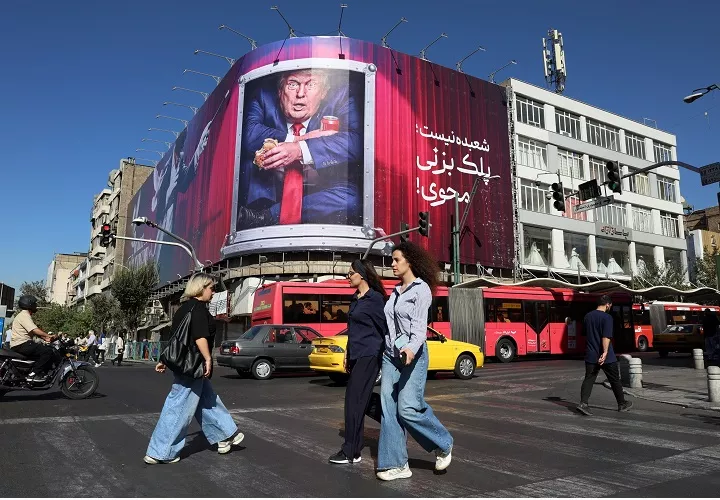
It began on January 2, 2026, when Iran's Foreign Ministry unexpectedly voiced support for "protests" against external threats, a rhetorical pivot amid whispers of internal dissent. This fragile endorsement shattered by January 4, when security forces cracked down, leaving 16 dead in clashes across Tehran and Tabriz—figures corroborated by eyewitness videos on Telegram channels. Defiance peaked on January 7, as protesters in Tehran boldly renamed a central street after Donald Trump, symbolizing anti-regime sentiment and admiration for perceived U.S. hardliners; footage showed crowds chanting "Trump Street" before tear gas dispersed them.
By January 9, protests had swelled nationwide, with university strikes in Mashhad and labor walkouts in Ahvaz, drawing parallels to the 1979 Islamic Revolution's grassroots fervor—but inverted against the theocracy. Concerns mounted on January 15 for a jailed couple in Tehran, whose torture allegations trended on Instagram, mobilizing diaspora networks.
This escalation mirrors historical precedents: the 2009 Green Movement's digital uprising, crushed yet globally resonant, and the 2022 Mahsa Amini protests, which birthed "Woman, Life, Freedom." Today's unrest builds on these, but with a twist—initial regime-backed rallies (e.g., March 8 Sistani urges and medical rallies) have fractured, yielding to "regime collapse" fears by March 24. Pro-government Tehran rallies on the same day clashed with underground dissent, including March 19 Qom execution backlash.
These events form a pattern of defiance-repression cycles, now supercharged by global solidarity. Past unrest, like 1979's export of revolution, influenced alliances (e.g., straining U.S.-Saudi ties); today, it pressures Iran's allies like Russia and China, as European protests demand sanctions reviews. The January timeline's progression—from support to bloodshed—sets the stage for March's volatility, linking domestic sparks to international wildfires and underscoring how Iran's history of isolation now breeds unprecedented connectivity.
Original Analysis: The Ripple Effect on Global Activism
Iran's unrest is spawning a ripple effect, inspiring solidarity movements that transcend borders and reshape activism's geography. In the Middle East, Beirut saw Lebanese protesters on March 28 link #IranProtests to Hezbollah critiques, fracturing Iran's "Axis of Resistance." Europe's response is seismic: Berlin's 30,000-strong rally tied Iranian executions to Uyghur and Belarusian plights, birthing pan-human-rights campaigns. London's events pressured UK PM Starmer to reconsider JCPOA revival, with MPs citing rally turnout.
This activism fosters lasting alliances—or fractures. Policy pressures mount on Iran allies: Venezuela faces U.S. congressional hearings post-rallies; Syria's Assad regime sees opposition surges invoking Tehran parallels. Social media is the accelerant: X's algorithm pushed #GlobalIranSolidarity to 1 billion views, enabling coalitions untethered from Iranian domesticity—e.g., Brazilian feminists merging Amini echoes with local fights. TikTok duets of Tehran renaming videos with Paris marches exemplify digital fostering of "stateless solidarity."
Our unique angle reveals diplomacy's pivot: Rallies aren't mere optics; they're leverage. EU foreign ministers, facing 2026 elections, debate Iran sanctions hikes, while U.S. Democrats eye bipartisan resolutions. Fractures emerge in BRICS, with India's rally abstention signaling caution. This "echo chamber" of activism—domestic crackdowns echoing globally, rallies reverberating back—marks a paradigm shift, where citizen diplomacy outpaces statecraft, potentially birthing a "Global Rights Bloc" rivaling geopolitical pacts. Monitor these shifts through our Global Risk Index.
Predictive Elements: Future Scenarios
If crackdowns persist, escalations loom. Expect intensified sanctions: U.S. Treasury could target IRGC enablers by mid-April, with EU oil embargoes following rally momentum. UN intervention beckons—ongoing global protests may force a Human Rights Council session by May, risking economic boycotts like SWIFT exclusions. Internal threats intensify, as detailed in Iran Strikes 2026: The Overlooked Threat of Internal Rebellion Amid Leadership Purges.
Global activism could catalyze policy shifts: U.S. interventions via Magnitsky-style freezes; EU diplomatic isolation of envoys. Domestically, repression risks broader conflict—Nouruz holidays (March 2026) saw festival unrest; Eid al-Fitr in April could ignite if jailed figures like the January 15 couple aren't freed.
Long-term, two paths: A unified global human rights movement, allying Western NGOs with Gulf reformers, eroding Iran's soft power. Or heightened tensions—Iran proxies activating, drawing Russia into a multi-front mire. Ongoing rallies pressure bodies like the UN for probes, potentially realigning alliances (e.g., Saudi-Israel normalization accelerating). Domestic intensification risks regional spillover, with Iraq's Sistani-linked rallies (March 8) tipping into chaos.
Market tremors underscore stakes. The World Now Catalyst AI predicts risk-off cascades: BTC dipping 5-10% (medium confidence, akin to 2022 Ukraine), SOL amplifying to 15% drops (low-medium), SPX falling 1.5-5% on algo de-risking (medium), EUR weakening 1-3% vs. USD safe-haven (medium). Weave these into forecasts: ME shocks trigger liquidations, but safe-haven BTC rebounds or ECB surprises could cap damage.
What This Means: Looking Ahead
Iran's civil unrest 2026 is not just a domestic crisis but a global inflection point, where street protests in Tehran reverberate through world capitals, challenging entrenched alliances and empowering human rights advocates. As rallies continue, expect policymakers to face mounting pressure to prioritize ethical foreign policy over realpolitik. This could accelerate shifts like Gulf states distancing from Tehran, while social media ensures the movement's momentum endures. Investors and leaders alike should prepare for volatility, consulting tools like Catalyst AI — Market Predictions for real-time insights. Ultimately, these echoes signal a more interconnected era of activism, where Iran's fractures may forge a new world order.
Catalyst AI Market Prediction
The World Now Catalyst AI forecasts the following amid Iran unrest and global protests:
- SOL: Predicted ↓ (low confidence) — Causal mechanism: ME geo risk-off triggers crypto liquidation cascades, with alts like SOL amplifying BTC moves. Historical precedent: Feb 2022 Ukraine invasion saw SOL drop 15% in 48h. Key risk: AI/crypto growth narrative overrides risk-off.
- BTC: Predicted ↓ (medium confidence) — Causal mechanism: Geo risk-off prompts deleveraging and ETF outflows, cascading into BTC price drop. Historical precedent: Jan 2020 Soleimani strike saw BTC dip 5% in 24h before rebound. Key risk: safe-haven narrative gains traction amid USD weakness.
- SPX: Predicted ↓ (medium confidence) — Causal mechanism: ME escalation and aviation safety fears trigger algo-driven risk-off selling across broad indices. Historical precedent: Feb 2022 Ukraine invasion dropped SPX 4% in 48h. Key risk: oil rally contained by swift diplomatic progress.
- EUR: Predicted ↓ (medium confidence) — Causal mechanism: USD safe-haven strength pressures EUR amid global risk-off from US-Iran and protests. Historical precedent: 2019 US-Iran tensions weakened EUR 1% short-term vs USD. Key risk: ECB hawkishness surprises, supporting EUR.
Predictions powered by The World Now Catalyst Engine. Track real-time AI predictions for 28+ assets.