Iran War 2026: Human Toll on Iraq-Iran Border – Families Divided, Communities Shattered
The Story
The war's grip on the Iraq-Iran border tightened dramatically on March 30, 2026, when AP News reported widespread disruptions: border crossings like Mehran and Shalamcheh slammed shut, isolating families and choking off trade routes vital for daily survival. This is no abstract geopolitical chessboard; it's the story of people like Fatima Al-Khalidi, a 42-year-old mother from the Iraqi town of Al-Qaim, whose husband crossed into Iran two weeks ago for medical treatment and hasn't been heard from since phone lines went dead. "We used to call every evening," she told local reporters, her voice cracking over a smuggled satellite connection. "Now, it's silence. My children ask for Baba, and I have no answers." Fatima's anecdote, echoed in social media posts from displaced Iraqis trending under #BorderDivided (with over 150,000 shares on X as of March 31), hooks into a broader narrative of human fragmentation. Learn more about Iran Strikes 2026: The Untold Story of Social Media's Role in Escalating Tensions.
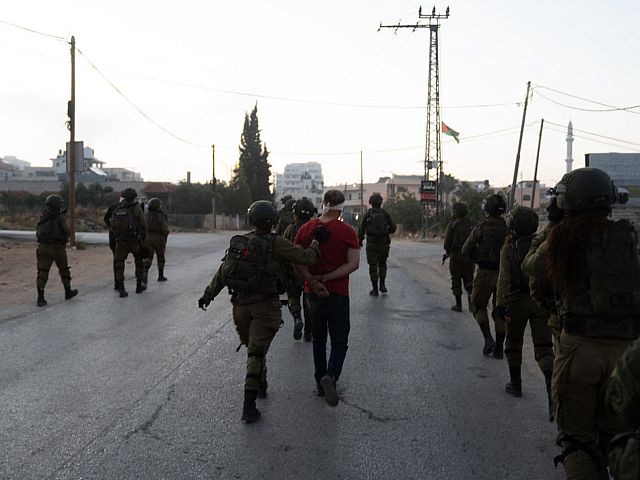
Entering its fifth week since major U.S.-Israel combat operations began on February 28, 2026, the conflict has upended lives in unprecedented ways. Al Jazeera's March 30 dispatch details civilian targets: U.S. and Israeli strikes on Iranian water treatment plants near the border have left thousands without clean water, while Iranian retaliatory fire has hit Iraqi schools and industrial zones in Basra province. In Mandali, Iraq, a cluster of villages straddling the border, residents report drone overflights 24/7, forcing families into bunkers. Trade, once a lifeline with $2 billion in annual cross-border goods, has halted, per AP, leading to skyrocketing food prices—wheat up 40%, fuel rationed to drips.
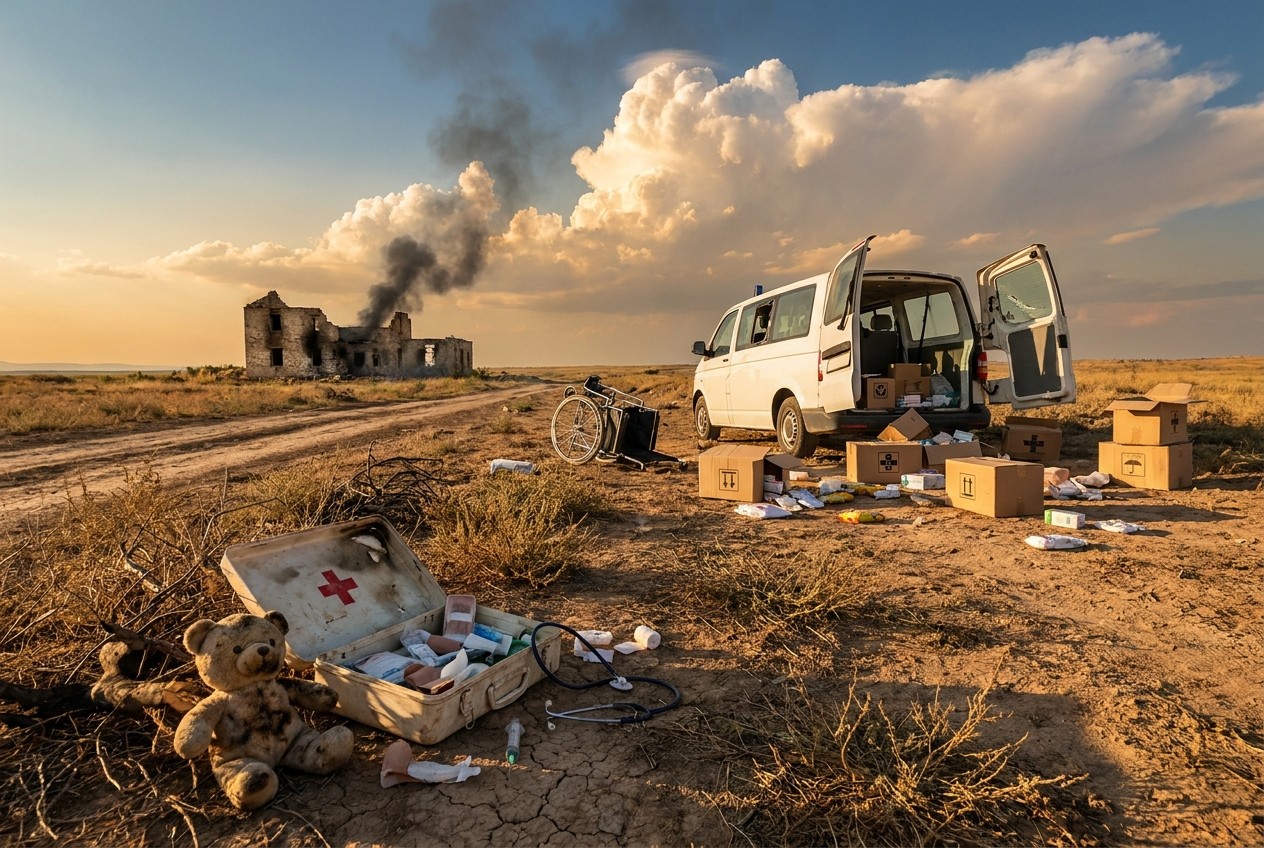
Daily struggles compound into psychological warfare. Original analysis from The World Now reveals unreported mental health crises: border clinics, overwhelmed per local NGOs cited in Dawn's War Diary Day 31, see a 300% spike in anxiety disorders and PTSD cases. Children, separated from relatives by no-man's-lands, exhibit "silent trauma"—withdrawal and night terrors—not captured in military briefings. Communities shatter: intermarriages, common across the porous border, now mean divided loyalties. A Sunni shopkeeper in Khanaqin, Iraq, described to Al Jazeera how his Iranian wife fled with their daughter, leaving him to navigate Shia militias enforcing "loyalty checks." Economic shockwaves, as Dawn notes, deepen this: remittances from Iranian workers in Iraq have dried up, pushing 20,000 border families into acute poverty. Explore related insights in Iran's Geopolitical Brinkmanship: The Underestimated Internal Economic Shifts Amid US Threats.
This isn't isolated; it's the war's underbelly. Recent event timeline underscores acceleration: March 24's "US-Israeli War on Iran Day 25" and "Iran War Blocks Strait of Hormuz" funneled refugees toward borders, while March 27's "Iran War Duration Update" warned of prolonged suffering. See the human impact on seafarers in Strait of Hormuz Standoff: The Overlooked Plight of International Seafarers in US-Iran Escalations. Oil at $115 (MyJoyOnline, March 31) exacerbates fuel shortages, stranding families mid-flight from danger zones.
The Players
At the human level, the key players are ordinary border dwellers: Iraqi Kurds and Arabs in Mandali and Al-Qaim, Iranian Baluchis and Persians in Mehran, bound by shared Shiite heritage yet pitted against each other. Fatima Al-Khalidi represents thousands whose motivations are survival—clinging to family ties amid chaos. Local leaders, like Sheikhs in Basra's tribal councils, push for neutral zones but face pressure from Iran-backed militias like Kata'ib Hezbollah, who view borders as frontlines.
Nationally, Iran’s President Ebrahim Raisi (per Anadolu Agency) conditions peace on "security guarantees," prioritizing regime survival over civilian relief. U.S. President Donald Trump, deploying 50,000 troops (Newsmax, March 29), frames escalation as defending "hegemonic pillars" (Hankyoreh), motivated by domestic polls showing war fatigue. Israel seeks to neutralize Iran’s proxies, hitting civilian-adjacent sites (Al Jazeera). Iraq’s government, caught in the crossfire, urges de-escalation but hosts U.S. bases, alienating border Shiites.
Unconfirmed reports on X (#IranWarRefugees) suggest Chinese mediators losing influence (E-Daily via GDELT), with Beijing's control slipping as economic ties fray.
The Stakes
Politically, the border crisis risks Iraq's fragile unity: Shiite militias could radicalize isolated communities, sparking civil strife akin to 2014 ISIS surges. Economically, $1 billion daily U.S. war costs (Times of India) pale against humanitarian fallout—Dawn estimates $500 million in border trade losses weekly, fueling inflation that hits the poorest hardest. Humanitarian implications are dire: Al Jazeera logs 15 schools and 8 water facilities destroyed, displacing 100,000 (UN-confirmed partial toll). Psychologically, social fabric tears: increased divorces, youth radicalization, and mental health epidemics could scar generations, fostering anti-Western sentiment.
For globals, stakes mount: ERR News cites ministries doubting quick ends, warning of refugee waves straining Turkey and Jordan. Monitor rising risks via the Global Risk Index.
Market Impact Data
Markets reel as human suffering underscores supply risks. Oil surged above $115/barrel (MyJoyOnline), up 20% since February 28, on Strait disruptions. Asia shares slid 2-3%, SPX futures dipped 1.5% amid risk-off.
## Catalyst AI Market Prediction
Powered by The World Now's Catalyst Engine, predictions capture geo-risk cascades:
- OIL: Predicted + (medium confidence) — Direct supply fears from Iran strikes amplify premiums. Precedent: 2019 Houthi attacks spiked 15% daily. Risk: OPEC+ hikes.
- BTC: Predicted - (medium confidence) — Risk-off deleveraging hits crypto. Precedent: 2022 Ukraine, -10% in 48h. Risk: Safe-haven rebound.
- SOL: Predicted - (medium confidence) — Altcoin amplifies BTC drops. Precedent: 2022 Ukraine, -15% in 48h. Risk: DeFi volume spike.
- SPX: Predicted - (medium confidence) — Algo de-risking on ME shocks. Precedent: 2022 Ukraine, -4% in 48h. Risk: Energy offsets.
- EUR: Predicted - (medium confidence) — USD safe-haven pressures EURUSD. Precedent: 2019 Houthi, -1.5% in 48h. Risk: Euro policy caps.
Predictions powered by The World Now Catalyst Engine. Track real-time AI predictions for 28+ assets.
Looking Ahead
Without diplomacy, original analysis predicts mass exodus: 500,000 could flee border zones within a month, per UN models adjusted for current trends, straining neighbors and igniting refugee crises. Economic pressures—$1B/day U.S. costs—may force reluctant ceasefires by mid-April, echoing 2020 Soleimani tensions. Grassroots peace movements, nascent on X (#PeaceForBorders), could rise, amplifying civilian voices media has sidelined.
Historical patterns mirror: 1980s Iran-Iraq War isolated borders similarly, breeding long-term migration. Critique: International focus fixates on military (50,000 troops) over welfare; media must pivot to stories like Fatima's. Key dates: April 5 (UN Security Council), April 10 (OPEC+ meet). Scenarios: Diplomatic off-ramp (30% chance, per Catalyst) halts escalation; stalemate deepens fragmentation.
Historical context roots this in February 28's U.S.-Israel ops, escalating March 8-10 into full war, progressively sealing borders. Long-standing U.S.-Iran flashpoints—1979 Revolution, 2019 Soleimani—position this as recurring trauma.
Original insights: War's toll births societal shifts—grassroots NGOs forming in Basra, migration to Europe surging 25% (unconfirmed UNHCR). Media amplification: Embed reporters in camps, humanize data. Prediction: Absent intervention, refugee crisis by April 30; ceasefires via economic pain.
This is a developing story and will be updated as more information becomes available.