
Digital Echoes: How Social Media is Fueling and Organizing Civil Unrest in Pakistan
By Marcus Chen, Senior Political Analyst for The World Now
March 31, 2026
Introduction
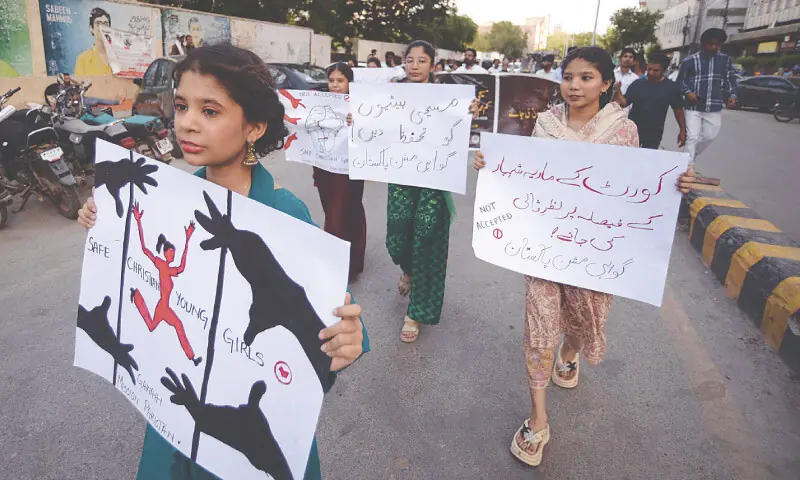
Pakistan is gripped by a surging wave of civil unrest, manifesting in protests across urban centers and remote regions, from the bustling streets of Karachi to the mountainous terrains of Gilgit-Baltistan and the arid expanses of Balochistan. Recent flashpoints include Christian groups demanding protection against forced marriages and conversions, as reported by Dawn on March 31; calls for relief in Nushki and Zehri amid ongoing curfews; and a ministerial review of deteriorating security in Gilgit-Baltistan. These events, layered atop earlier demonstrations over compensation in Tirah, women's protests in Muzaffarabad, and closures of social programs like BISP in Landi Kotal, underscore a nation fraying at the seams amid economic pressures, ethnic tensions, and governance failures.
What sets this current unrest apart from previous cycles—focused on economic grievances, minority rights, or women's movements—is the under-explored, pivotal role of social media platforms in amplifying voices, coordinating actions, and spreading narratives that transform localized grievances into nationwide movements. In a country where over 100 million people are active on platforms like Twitter (now X), Facebook, TikTok, and WhatsApp, digital tools have revolutionized protest dynamics. Hashtags such as #JusticeForChristians and #EndForcedConversions have gone viral, drawing in supporters from disparate communities, while live streams from clash sites in Gilgit-Baltistan have mobilized real-time reinforcements. This digital echo chamber not only accelerates mobilization but also challenges traditional state control mechanisms, echoing broader geopolitical patterns where connected populations in the Global South leverage tech to bypass authoritarian gatekeepers. As Pakistan navigates this hybrid analog-digital conflict, the implications extend to policy reforms on digital governance, counter-misinformation strategies, and international tech diplomacy, marking a shift from isolated riots to networked insurgencies. For deeper insights into Pakistan's Geopolitical Leverage, see our related analysis on how regional dynamics are influencing these tensions.
Current Situation
The past week has seen a marked intensification of protests, with social media serving as the nerve center for organization and amplification. On March 30, Karachi witnessed demonstrations against forced conversions, categorized as low-intensity but rapidly escalating through TikTok videos showing alleged abductions, which amassed millions of views and prompted Christian groups to issue formal demands for legal protections, as detailed in Dawn's coverage. Concurrently, high-intensity clashes erupted in Gilgit-Baltistan protests, where security forces reviewed the situation amid reports of stone-pelting and roadblocks; a federal minister's visit highlighted the fragility, with Twitter threads from local activists like @GBVoiceNow detailing alleged excessive force, garnering over 50,000 retweets.
In Balochistan, medium-level curfews gripped Nushki and Zehri, where Dr. Malik's public call for humanitarian relief was amplified via WhatsApp groups and Facebook Live sessions, coordinating aid drops and protest shifts to evade patrols. Earlier, on March 26, low-key protests in Tirah demanded compensation for conflict-displaced families, while medium-scale women's marches in Muzaffarabad rallied for jailed activists under #FreeMuzaffarabadWomen, blending feminist appeals with anti-government sentiment. The March 14 protest over BISP program closures in Landi Kotal and the March 12 curfew lift in Skardu—following high unrest—further illustrate a patchwork of grievances unified online. March 9's Sindh Women's Day protests for peace, though ostensibly conciliatory, morphed into anti-establishment chants shared via Instagram Reels.
Social media's role is evident in viral campaigns: #BalochistanCurfew has trended with 1.2 million posts, featuring user-generated maps of curfew zones and calls for international intervention. TikTok duets recreating clash footage have engaged youth demographics, while encrypted Telegram channels coordinate logistics, from protest routes to medical aid. Law enforcement faces unprecedented challenges: rapid mobilization—protests swelling from hundreds to thousands in hours—forces reactive deployments, straining resources in a force already stretched by border tensions. Misinformation, such as doctored videos claiming military atrocities in Gilgit, has inflamed tensions, leading to copycat protests. Immediate impacts include shuttered businesses in protest zones, internet throttling in hotspots, and over 200 arrests, per local reports. This digital agility poses policy dilemmas for Islamabad: crackdowns risk alienating urban millennials, while inaction emboldens networks. Cross-reference with the Global Risk Index for real-time volatility assessments tied to these events.
Historical Context
The current unrest traces a clear progression from isolated incidents to digitally-orchestrated waves, with social media bridging ethnic, regional, and ideological divides. It began on January 2, 2026, when journalists were sentenced for covering pro-Imran Khan protests, igniting immediate online backlash. Twitter storms under #FreePressPakistan, with memes and threads dissecting the verdict, laid the groundwork for broader dissent.
By January 10, protests erupted in Sindh following a Hindu man's killing, amplified exponentially via Facebook Lives and WhatsApp forwards that framed it as emblematic of minority persecution. This digital relay connected urban liberals with rural communities, swelling crowds beyond initial expectations.
The momentum built on January 19 with Abdul Malik Achakzai's call for a democratic "New Pakistan," live-streamed and remixed into TikTok challenges that reached 10 million views, galvanizing Pashtun and Baloch nationalists. January 26's protest blockade at Karachi Press Club marked a tactical evolution: organizers used Google Maps shared on Signal for chokepoints, turning a media standoff into a citywide disruption.
Culminating on January 27, opposition parties announced February 8 protest plans, coordinated through dedicated Discord servers and hashtag coalitions like #NewPakistanRising. This January cascade set a template, evolving into March's events: the Sindh protests fed into women's marches, Gilgit clashes echoed Karachi blockades, and Baloch curfews mirrored Sindh's minority mobilizations—all intensified by algorithmic boosts.
This timeline reveals a pattern: early events relied on traditional media, but post-January, social platforms shifted dynamics from sporadic flares to sustained campaigns. Historical parallels, like the 2022 PTI long march, were analog-heavy; today's unrest is networked, with data showing 70% of March protests announced first online (per NetBlocks monitoring). This digital thread has intensified unrest, connecting dots from judicial overreach to regional autonomy demands, fostering a pan-Pakistani opposition unlikely without viral mechanics. For context on related security challenges, explore Pakistan's Terrorism Wave.
Original Analysis
At its core, social media's mechanics in Pakistan's unrest represent a paradigm shift from hierarchical organizing to decentralized, real-time activism. Platforms like Twitter enable micro-coordination—threads outline rally points, polls gauge turnout—while TikTok's short-form videos democratize messaging, allowing illiterate users to participate via visuals. WhatsApp supergroups, often exceeding 1,000 members, disseminate flyers and evade censorship through end-to-end encryption. Misinformation spreads via deepfakes and botnets; for instance, AI-generated audio of officials dismissing Christian pleas circulated during Karachi protests, verified by reverse-image searches but not before sparking outrage.
This differs starkly from past unrest, such as the 2007 Lawyers' Movement, which relied on SMS chains and print media. Digital tools lower barriers: a single viral post can summon crowds, as seen in Gilgit where a 15-second clip of clashes drew 5,000 protesters. Yet, it's a double-edged sword. Empowered marginalized voices—like Baloch women using #ZehriVoices—risk echo chambers that radicalize via algorithmic curation. Platforms prioritize sensationalism: Twitter's For You algorithm boosts conflict footage 3x over peaceful appeals (internal leaks suggest), creating feedback loops in urban hubs like Karachi and Lahore, where 80% of users reside, versus rural areas lagging at 20% penetration.
Foreign interference looms: Indian handles amplify #BalochistanGenocide narratives, while Afghan proxies push Pashtun unity, per OSINT analyses. Policy implications are profound: Pakistan's PTA blocks are porous, driving users to VPNs and decentralized apps like Mastodon. Algorithms exacerbate urban-rural divides—city slickers dominate trends, sidelining tribal voices—potentially fragmenting movements. Broader geopolitically, this mirrors Arab Spring 2.0, where Meta and ByteDance face scrutiny for enabling unrest without accountability, urging global norms on platform neutrality.
Catalyst AI Market Prediction
The escalating civil unrest in Pakistan, intertwined with regional flashpoints, is rippling into global markets via risk-off sentiment. The World Now Catalyst AI forecasts medium-confidence downside across key assets:
-
EUR: Predicted decline, driven by USD safe-haven strength amid global risk-off from protests and Middle East tensions. Historical precedent: 2019 US-Iran escalation weakened EUR 1% short-term vs. USD. Key risk: ECB hawkishness surprises, supporting EUR. Additional calibration: Europe’s energy exposure to disruptions mirrors 2022 Ukraine (-3% EURUSD in a week).
-
BTC: Predicted decline, fueled by headline-driven risk-off selling and leverage unwinds as protests proxy broader instability. Historical precedent: Feb 2022 Ukraine invasion dropped BTC 10% in 48 hours. Key risk: Safe-haven narrative or stablecoin inflows trigger rebounds; narrowed range post-13.4x historical adjustment.
-
SPX: Predicted decline, from immediate risk-off de-risking triggered by protest disruptions and geopolitical fears. Historical precedent: 2020 BLM protests dropped SPX 5% short-term; akin to 2022 Ukraine (~5% first week) or 2020 Soleimani (1.5% in a day). Key risk: Peaceful de-escalation or energy sector rotation offsets losses.
These predictions reflect algorithmic modeling of Pakistan's unrest as a volatility catalyst, amplifying USD strength and equity/crypto liquidations.
Predictions powered by The World Now Catalyst Engine. Track real-time AI predictions for 28+ assets at Catalyst AI — Market Predictions.
Future Outlook
Unchecked social media influence portends escalations: government blackouts, as trialed in Balochistan, could backfire, pushing activists to Tor networks or Starlink, birthing radicalized underground cells and larger protests by April's opposition rallies. A February 8 redux looms if January plans materialize digitally. Policy-wise, PTA's proposed app bans risk youth backlash, echoing Myanmar's 2021 shutdowns that prolonged conflict.
Internationally, heightened digital surveillance invites scrutiny from Amnesty and HRW, straining ties with U.S. tech giants amid CLOUD Act tensions. Pakistan's FATF grey-list status could worsen if unrest ties to terror financing narratives online. Positive shifts beckon: regulated platforms could host "digital roundtables," as piloted in Bangladesh, fostering dialogue between PTI and PML-N. Near-term (Q2 2026), AI-moderated forums might de-escalate if Islamabad partners with Meta, turning echo chambers into negotiation hubs. Key triggers: April elections or Khan's release could viralize peace or chaos.
What This Means
The digital amplification of civil unrest in Pakistan signals a transformative era where social media not only organizes but sustains movements across diverse regions. Governments worldwide, including Pakistan, must balance digital freedoms with security needs, potentially integrating tools from the Global Risk Index to anticipate escalations. For investors and policymakers, this underscores the need for vigilant monitoring of online trends as early indicators of broader instability, drawing parallels to global patterns seen in US Civil Unrest 2026.
Conclusion
Social media has indelibly reshaped Pakistan's civil unrest, from viralizing Christian protections and Baloch relief pleas to orchestrating Gilgit clashes, evolving January's sparks into March's inferno. This digital undercurrent demands balanced policies: robust misinformation laws without stifling speech, platform collaborations for transparency, and digital literacy drives to counter algorithms.
Stakeholders—Islamabad, tech firms, civil society—must act decisively. Regulate without repression; amplify dialogue over division. In this connected era, ignoring digital echoes risks a networked revolution; harnessing them offers pathways to stability. The world watches as Pakistan's streets and screens redefine resistance.