
No Kings Protests 2026: How International Ideologies Are Amplifying US 'No Kings' Protests
By Elena Vasquez, Global Affairs Correspondent for The World Now
March 31, 2026
Introduction: The Rising Tide of Globalized Dissent
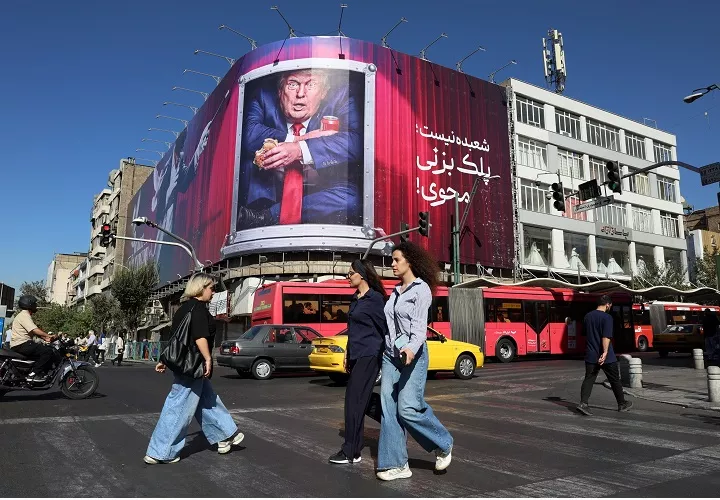
The "No Kings" protests sweeping the United States have transcended their domestic roots, evolving into a multifaceted movement infused with international ideologies and diaspora influences. What began as a rallying cry against perceived authoritarianism in the Trump administration has now drawn millions across the U.S. and abroad, as reported by outlets like Norway's NRK and Finland's Helsinki Times. These demonstrations, marked by chants of "No Kings" decrying monarchical-style executive overreach, are no longer confined to debates over civil liberties or economic grievances. Instead, they represent a unique fusion of American unrest with global undercurrents— from pro-Shah Iranian diaspora rallies sporting "MIGA" (Make Iran Great Again) hats to communist and Democratic calls for synchronized May Day strikes.
This global angle escalates the No Kings protests beyond typical U.S.-centric narratives. In Washington, D.C., Iranian expatriates have merged their anti-regime fervor with anti-Trump sentiment, invoking the "TINA" (There Is No Alternative) factor—a phrase echoing Margaret Thatcher's neoliberal mantra but repurposed here to argue for a return to the Pahlavi monarchy as the only viable path against Iran's theocracy. Meanwhile, labor activists link "No Kings" to international worker solidarity, urging a "shut it down" May Day general strike. Sources like Hindustan Times detail how these elements create a hybrid protest culture, where U.S. demonstrators don foreign-inspired symbols and align with overseas movements. This internationalization not only amplifies the scale— with thousands of events reported by Bangkok Post—but risks transforming localized dissent into a transnational challenge to U.S. governance, drawing parallels to global anti-authoritarian waves from Hong Kong to Chile. For deeper insights into related US civil unrest 2026 'No Kings' protests, explore our coverage.
Current Situation: A Tapestry of International Protests
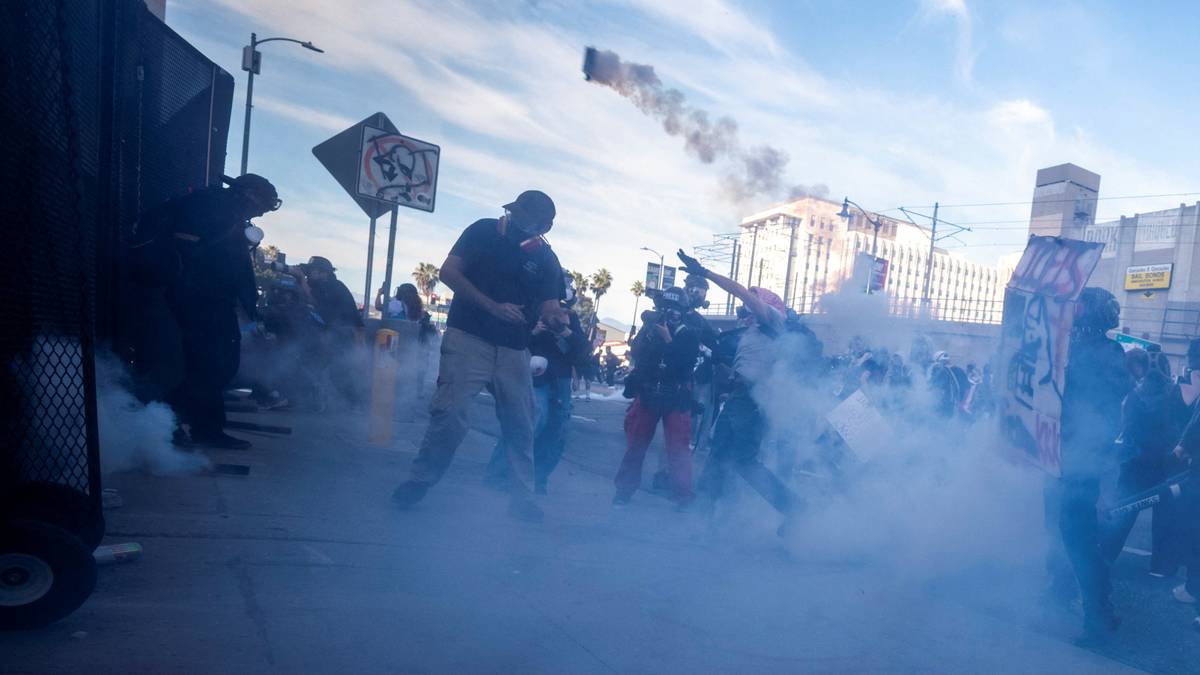
As of March 31, 2026, "No Kings" protests have erupted in over a thousand locations across the U.S., from Los Angeles to Minneapolis, drawing millions domestically and sparking solidarity actions abroad, per Helsinki Times and NRK reports. In Los Angeles, dozens were arrested on March 29 after refusing to disperse from a rally that swelled to tens of thousands, blending anti-Trump chants with global labor slogans, as covered by Newsmax. Similar scenes unfolded in Washington, D.C., where an Iranian diaspora rally on March 30 fused "No Kings" messaging with pro-Shah advocacy. Participants waved "MIGA" hats— a twist on MAGA— and placards proclaiming "TINA: Shah or Chaos," highlighting a pro-war stance against Iran's regime and aligning it with U.S. hawks critical of Trump's Middle East policies. Learn more about the US geopolitics and hidden costs in the Iran standoff.
This international participation manifests in vivid ways. In D.C., diaspora activists, many second-generation Iranian-Americans, chanted for regime change in Tehran while decrying U.S. "kingly" overreach, creating an unlikely alliance with leftist protesters. Fox News reported communists and Democrats at "No Kings" rallies explicitly calling for a May Day strike, urging workers to "shut it down" in solidarity with global labor movements from Europe to Latin America. Bangkok Post footage showed thousands marching in U.S. cities with banners referencing European anti-fascist groups and Cuban exile demands for freedom, evident in a March 25 Miami protest.
The human impact is palpable: families displaced by ICE operations join Iranian expats fleeing theocracy, their stories humanizing the chaos. See related analysis on US shutdown chaos and border enforcement. In Minneapolis on March 29, protesters linked local economic woes to international sanctions, while a March 26 Philadelphia event controversially cheered reports of U.S. troop casualties abroad, underscoring anti-war fringes. Spring Break chaos in Florida on March 23 amplified youth involvement, with social media amplifying global hashtags like #NoKingsGlobal. This tapestry reveals a movement where U.S. streets have become a stage for worldwide grievances, escalating tensions as arrests mount and international media amplifies the narrative. Social media's role echoes patterns seen in digital echoes of dissent.
Historical Context: Roots in Recent US Tensions
The "No Kings" phenomenon did not emerge in isolation but built on a chain of 2026 events that internationalized U.S. unrest. On January 30, LAPD defied a federal mask ban during ICE operations, allowing officers to conceal identities amid raids—a move decried as enabling authoritarianism and sparking early solidarity from global human rights groups. This defiance fueled perceptions of law enforcement overreach, drawing parallels to mask protests in Europe against surveillance states.
The flashpoint came on February 25, when Rep. Ilhan Omar shouted at President Trump during the State of the Union, accusing him of "kingly" abuses. The outburst, broadcast globally, echoed international anti-authoritarian sentiments from Iran's Woman, Life, Freedom movement to French gilets jaunes, attracting diaspora attention. Protests erupted the next day in Manhattan over alleged law enforcement attacks on demonstrators, coinciding with California's lawsuit against social media firms for censoring anti-Trump content— a case that galvanized free speech advocates worldwide.
By February 27, Denver's mayor publicly supported anti-ICE protesters, framing local resistance as part of a global fight against migration crackdowns. These incidents formed a foundational timeline:
- 1/30/2026: LAPD defies mask ban during ICE operations, igniting law enforcement pushback debates.
- 2/25/2026: Omar shouts at Trump during State of the Union, viralizing anti-Trump fervor.
- 2/26/2026: Manhattan protests over law enforcement attacks; California files social media lawsuit.
- 2/27/2026: Denver Mayor backs anti-ICE protesters, drawing international NGO support.
Recent escalations include:
- 3/23/2026: Spring Break chaos in Florida (HIGH impact).
- 3/25/2026: Miami protest for Cuban freedom (MEDIUM).
- 3/26/2026: Philly protest cheers dead troops (LOW).
- 3/29/2026: Arrests at LA 'No Kings' rally (MEDIUM); No Kings in Minneapolis (MEDIUM); Anti-Trump protests nationwide (HIGH).
- 3/30/2026: US #NoKings protests call for strikes (MEDIUM); Iranian Diaspora Rally in DC (HIGH).
This progression positioned early U.S. tensions as triggers for global participation, transforming domestic sparks into international fires.
Original Analysis: Ideological Fusion and Its Implications
The infusion of international ideologies into "No Kings" creates a hybrid protest culture with profound implications. Iranian diaspora's pro-Shah, "TINA"-driven rhetoric—arguing no alternative exists to monarchical restoration—clashes yet converges with U.S. leftists' anti-authoritarian ethos. Hindustan Times describes D.C. rallies where "MIGA" hats symbolized this fusion, potentially fracturing traditional movements: progressives wary of pro-war monarchism may dilute cohesion, while strengthening appeal to conservative dissidents.
This volatility arises from ideological dilution risks. Communists' May Day calls, per Fox News, link U.S. protests to global labor traditions, resonating with Europe's strike waves but alienating moderates. "TINA" narratives from abroad—evident in diaspora chants—mirror U.S. protesters' despair over alternatives to Trumpism, fostering radicalization. Psychologically, this creates echo chambers: a Los Angeles arrestee, per Newsmax, cited Iranian oppression as motivation, humanizing the blend but amplifying extremism.
Socially, it diversifies the landscape—Cuban exiles in Miami (3/25) and Philly's anti-war fringes (3/26) add layers—but heightens fracture risks. Globally, NRK and Helsinki Times note European solidarity, potentially exporting U.S. tactics. Economically, protests disrupt sentiment, as our Catalyst AI predicts (below). Overall, this fusion enriches dissent but courts volatility, where diverse voices either unite for reform or splinter into violence. Track broader implications via our Global Risk Index.
Catalyst AI Market Prediction
The World Now Catalyst AI forecasts downside risks across key assets amid protest escalation and U.S.-Iran tensions:
-
EUR: Predicted ↓ (medium confidence). Causal mechanism: USD safe-haven strength pressures EUR amid global risk-off from US-Iran and protests. Historical precedent: 2019 US-Iran tensions weakened EUR 1% short-term vs USD. Key risk: ECB hawkishness surprises, supporting EUR. Additional layers include European energy exposure (2022 Ukraine precedent: -3%) and ME shocks (2019 Houthi: -1.5%).
-
BTC: Predicted ↓ (medium confidence). Causal mechanism: Headline-driven risk-off selling and leverage unwinds from Iran/US protest fears hit BTC as risk proxy. Historical precedent: Feb 2022 Ukraine invasion dropped BTC 10% in 48h. Key risks: Safe-haven narrative or stablecoin inflows triggering rebounds; calibration notes 13.4x historical overestimation.
-
SPX: Predicted ↓ (medium confidence). Causal mechanism: Immediate risk-off selling from US domestic protests disrupting consumer sentiment and Iran fears prompting algorithmic de-risking. Historical precedent: 2020 BLM protests (-5% short-term); 2022 Ukraine (~5% week 1); 2020 Soleimani (-1.5% day). Key risk: Peaceful de-escalation or defensive energy rotation offsets losses.
Predictions powered by The World Now Catalyst Engine. Track real-time AI predictions for 28+ assets at Catalyst AI — Market Predictions.
Predictive Outlook: Escalating Global Interconnections
Looking ahead, international influences could propel "No Kings" into coordinated cross-border actions. Synchronized May Day strikes—already called for—might align with European labor protests, per Fox News patterns. U.S. alliances with Iranian dissidents or Cuban groups could formalize, escalating into diplomatic tensions if federal crackdowns internationalize the conflict, invoking UN scrutiny.
Government responses may include escalated ICE operations or National Guard deployments, mirroring 2020 precedents but amplified by global optics. Long-term, global pressure could yield policy shifts: immigration reforms softening under diaspora lobbying, or free speech expansions post-California lawsuit. By mid-2026, risks include violence if divides deepen—Philly's troop-cheering (3/26) hints at fringes—or unexpected resolutions via U.S.-Iran backchannels.
Catalyst AI underscores market spillovers: SPX dips could persist if protests disrupt supply chains, with BTC liquidations cascading. Optimistically, de-escalation might foster reforms, but volatility looms.
Conclusion: Charting a Path Forward
The global undercurrents in "No Kings"—from "TINA" Iranian rallies to May Day calls—have reshaped U.S. unrest into a borderless force, amplifying voices long silenced. This offers potential for positive change: diverse coalitions pressuring equitable policies on migration and speech. Yet, escalation risks ideological clashes into violence.
Balanced approaches are essential: dialogue bridging domestic and diaspora grievances, while monitoring federal responses. Policymakers must address root causes—law enforcement defiance, Omar's defiance—without alienating global allies. As protests evolve, their international DNA could herald reform or rupture; the path forward demands nuance amid the tide.