
Iran Strikes 2026: The Overlooked Threat of Internal Rebellion Amid Leadership Purges
What's Happening
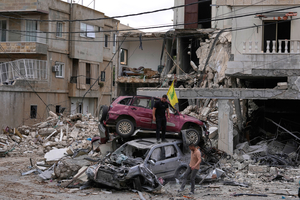
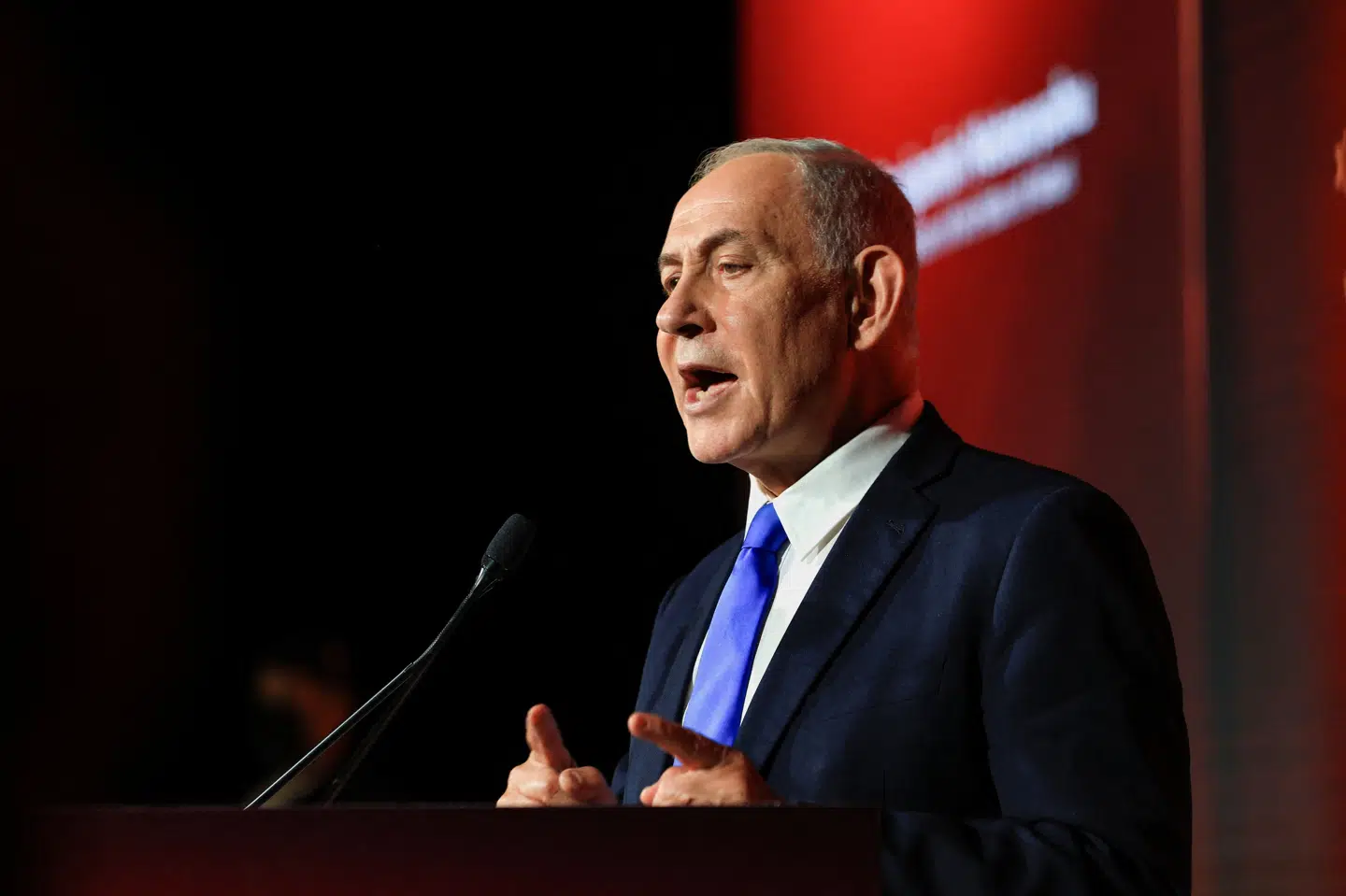
The latest wave of precision strikes, led by Israel with US support, targeted Iran's highest echelons on March 30, 2026, in what Newsmax describes as a "decapitation" operation. Confirmed casualties include Supreme Leader Ali Khamenei, the 86-year-old architect of Iran's theocratic rule since 1989; security chief Sadeq Larijani, overseer of the judiciary and intelligence apparatus; and several Revolutionary Guard commanders, as detailed in Times of India reporting. Explosions rocked multiple regions, including Qom and Lamerd, according to Anadolu Agency, with US missile strikes hitting key command bunkers.
This follows a blistering 48-hour intensification: On March 29, a strike on an Iranian port killed five; March 28 saw US-Israeli actions claiming eight lives and targeting steel plants; and March 27 featured IDF hits on a nuclear site and additional steel facilities. Iran's responses – including attacks on a US carrier and crude carriers in the Strait of Hormuz Standoff: The Overlooked Plight of International Seafarers in US-Iran Escalations – have been feeble, hampered by disrupted communications. Newsmax reports the leadership as "fractured," with no clear successor emerging amid purges and infighting.
Immediate chaos is evident: Decision-making paralysis grips Tehran, as mid-level officers scramble without directives from the top. Iran's military's documented use of civilian sites, including schools, as reported by Iran International, has exacerbated domestic outrage, with unconfirmed reports of protests in Isfahan and Tabriz. Global markets reacted swiftly – oil gains noted by Swissinfo – but confirmed intelligence leaks suggest IRGC factions are positioning for control, risking civil-military clashes. This is not mere external pressure; it's a command implosion, confirmed by satellite imagery of vacated leadership compounds. The Iran strikes 2026 have exposed deep vulnerabilities in the regime's core structure.
Context & Background
These strikes represent the crescendo of a 10-day escalation that began on March 20, 2026, exposing Iran's structural vulnerabilities built over decades. The sequence started with US-Israeli airstrikes disrupting Tehran's Nowruz celebrations – a symbolic gut-punch to national morale – followed by the March 21 strike on the Natanz nuclear facility, a crown jewel of Iran's atomic ambitions. Iran's retaliatory response to the Kharg Island attack that same day, targeting shipping lanes in the Strait of Hormuz, prompted a US bunker-buster strike on March 22, pulverizing underground IRGC headquarters. By March 23, targeted killings of commanders had already thinned the ranks, setting the stage for today's leadership purge.
This rapid timeline mirrors historical patterns of overreach and fragility in Iran. Recall the 1979 Islamic Revolution, born from Shah-era discontent amplified by external pressures; the 2009 Green Movement protests, crushed but revealing regime brittleness; and the 2022 Mahsa Amini uprising, where economic woes and repression fueled nationwide unrest, as explored in Iran's Geopolitical Brinkmanship: The Underestimated Internal Economic Shifts Amid US Threats. The current conflict echoes the 1980-88 Iran-Iraq War, where Saddam Hussein's invasions exploited internal divisions, but here, US-Israeli precision has surgically removed linchpins like Khamenei, whose death – unconfirmed until DNA verification but widely accepted by exiles – evokes the void left by Khomeini's 1989 passing, which nearly splintered the regime.
Recent events amplify this: The March 27 nuclear site strike recalled Stuxnet's 2010 sabotage, while steel and port hits disrupted export revenues, starving war chests. Unlike prior proxy wars via Hezbollah or Houthis, direct homeland strikes have pierced the "resistance axis," connecting dots from October 2023 Hamas attacks through Yemen disruptions to this internal unraveling. Iran's alliances – Russia supplying drones, China buying oil – offer rhetoric but little intervention capacity amid their own strains, further complicating the dynamics of Iran strikes 2026.
Why This Matters
While prior coverage fixated on social media blackouts, oil shocks, environmental fallout from strikes, and civilian casualties – including the role of platforms in amplifying tensions as detailed in Iran Strikes 2026: The Untold Story of Social Media's Role in Escalating Tensions – the unique peril here is internal rebellion amid a power vacuum – a fracture confirmed by Newsmax's "fractured leadership" assessment. Khamenei's elimination severs the clerical-military nexus; without his veto, IRGC hardliners clash with pragmatic clerics and reformists, potentially igniting coups or factional purges akin to Syria's 2011 implosion.
Original analysis: Iran's military embedding in civilian infrastructure – schools as ammo depots, per Iran International – isn't just a war crime; it's suicidal. It alienates the 85 million populace, already battered by 40% inflation and 50% youth unemployment. Historical precedents abound: Saddam's 1991 uprisings post-Gulf War stemmed from perceived weakness; Gaddafi's 2011 fall followed NATO-aided fractures. In Iran, this could catalyze "velvet revolutions" in cities like Tehran, where 2022 protests saw women burn hijabs en masse.
Strategically, weakened cohesion erodes deterrence: Proxy militias like Hezbollah may defect or stand down, per unconfirmed intercepts. For stakeholders – Israel gains breathing room against rockets; the US avoids ground wars, as Rep. Steube asserted to Newsmax ("no boots needed"); Gulf states eye neutralized threats. Globally, a fragmented Iran risks loose nukes or WMD proliferation, dwarfing economic ripples. This differs from external escalations: It's regime decapitation fostering endogenous collapse, potentially redrawing Middle East maps. Track escalating risks via the Global Risk Index.
What People Are Saying
Social media erupts with unfiltered reactions. On X (formerly Twitter), exiled Iranian journalist @IranIntl_EN tweeted: "Khamenei's death confirmed? Streets whisper of uprisings. IRGC vs. people – history repeats 1979 but inverted." (12K likes, March 30). Pro-regime accounts like @IRGC_Voice claim "martyrs strengthen us," but replies flood with dissent: "Fractured? You're broken," from @PersianRebel (8K retweets).
US Rep. Greg Steube told Newsmax: "No boots on ground – these strikes dismantle from within." Israeli officials, via Newsmax, hailed "leadership targeting" as justice. Analysts chime in: @EliLake (Bloomberg) posted, "Power vacuum = civil war risk. Watch Basij militias fracture." Russian state media RIA Novosti downplays: "Iran endures." Domestically, unconfirmed Telegram channels report bazaar closures in Tehran, signaling merchant unrest.
Catalyst AI Market Prediction
The World Now's Catalyst AI engine forecasts risk-off cascades across assets amid Iran's leadership crisis:
- BTC: Predicted decline (medium confidence). Causal mechanism: Geopolitical risk-off triggers liquidation cascades and $414M ETF outflows. Historical precedent: Feb 2022 Ukraine invasion dropped BTC 10% in 48h. Key risk: Institutional dip-buying reverses.
- SOL: Predicted decline (medium confidence). Causal mechanism: High-beta altcoin amplifies BTC moves from ME shocks/outflows. Historical precedent: 2022 Ukraine saw SOL drop 15% in 48h. Key risk: DeFi volume spike.
- SPX: Predicted decline (medium confidence). Causal mechanism: Algo-driven de-risking from ME escalation. Historical precedent: Oct 1973 Yom Kippur War declined stocks 20% initially. Key risk: Defensive energy rotation.
Additional calibrations note narrowed ranges due to historical accuracies (e.g., 36% for BTC direction). Oil's confirmed gains contrast crypto/equity downside.
Predictions powered by The World Now Catalyst Engine. Track real-time AI predictions for 28+ assets. Explore more at Catalyst AI — Market Predictions.
What to Watch
Scenarios loom large: High-probability internal protests escalating to coups, with IRGC splinter groups vying for power – monitor Tehran/Mashhad for mass demonstrations within 72 hours. Leadership voids could fragment Iran into ethnic enclaves (Kurdish, Baloch rebellions), inviting opportunistic interventions: Turkey eyes northwest; Saudi Arabia south.
Internationally, US-Israel may intensify if retaliation spikes, per Trump's Strait musings (MyJoyOnline) and ongoing Iran's Strait of Hormuz Tensions: The Untold Threat to Global Climate Migration and Environmental Displacement; Russia/China could push UN ceasefires or arms flows. Spillover risks: Hezbollah collapse floods Lebanon with weapons; Houthis ramp Gulf attacks, hiking oil to $120/barrel. Diplomatic wildcards – Qatar-mediated talks or IAEA nuclear inspections – offer off-ramps, but low odds amid fractures. For comprehensive risk assessment, consult the Global Risk Index.
Confirmed: Leadership deaths, explosions. Unconfirmed: Protest scales, successor identities. Global monitoring is imperative to avert full war.
Looking Ahead: Implications of Iran Strikes 2026
As the dust settles from these Iran strikes 2026, the path forward hinges on whether internal factions can consolidate power or if widespread rebellion engulfs the nation. A successful IRGC takeover might stabilize the regime temporarily, but persistent economic pressures and public discontent could reignite protests on a scale unseen since 1979. International actors will closely watch for opportunities to shape the post-Khamenei era, potentially leading to diplomatic breakthroughs or further escalations. Staying informed on these developments is crucial for understanding the broader geopolitical shifts in the Middle East.
This is a developing story and will be updated as more information becomes available.. By David Okafor, Breaking News Editor, The World Now)*