

Doomsday Clock Ticks Closer as Russia Targets Ukrainian Nuclear Cooling Systems
Russia has escalated strikes on Ukrainian civilian infrastructure including bridges in Kyiv and nuclear power plant cooling systems in an attempt to render major cities unlivable and force a negotiated settlement by early 2027, while North Korean troops and ammunition continue to support Moscow’s efforts in the Kursk region, pushing the doomsday clock closer amid widening risks of escalation.
Russian Strategy to Render Ukrainian Cities Unlivable
Russia is pursuing a strategy of unrestricted strikes on power, transport, water, and nuclear-plant cooling infrastructure in Kyiv, Kharkiv, Odesa, and Lviv. The aim is to force a settlement in the first half of 2027 by making Ukrainian cities uninhabitable and triggering a refugee crisis. Ukrainian officials have reported direct intelligence that Russia plans to throw off previous limitations, including attacks on the water supply to the country’s three functioning nuclear plants to disrupt cooling apparatus. This week already showed the new approach in action, with two attacks on Kyiv’s South Bridge and strikes on the Northern Bridge that damaged a heating main and cut hot water to parts of the Desnianskyi district. Russian forces have also used specially adapted Geran drones to target energy pylons. The strikes on bridges mark the fourth consecutive day of such attacks, with the Northern Bridge hit on the morning of Oct. 4. [4] [5]
North Korean Troop and Ammunition Contribution
North Korea has deployed an estimated 15,000–20,000 troops to Russia’s Kursk region since October 2024, suffering roughly 6,000 casualties according to South Korean and British intelligence estimates. In exchange, Pyongyang has received cash, food, energy supplies, air defense systems, fighter jets, and technical assistance on satellites and naval reactors. North Korean soldiers from elite units have gained live combat experience in drone warfare, electronic warfare, and combined-arms operations that they are now teaching throughout their army after rotating home to serve as instructors. North Korean-supplied artillery shells and missiles have accounted for roughly half of what Russian forces fire at the front. The deployments helped Russia recover territory in Kursk but have remained largely confined to Russian soil. [1]

Russia strikes Ukrainian nuclear power plant cooling systems in escalated infrastructure attacks. — Source: kyivindependent
Daily Russian Combat Losses and Ukrainian Battlefield Gains
Russia lost 2,020 soldiers and over 700 vehicles in the past day alone, contributing to total estimated losses of approximately 1.54 million personnel since February 2022. Ukrainian forces have increasingly used robots in Operation Vivaldi, reducing their own casualties while Russian losses continue to mount. Ukrainian officials have noted that more tasks are being performed by robots, leading to fewer Ukrainian casualties even as Russian casualties rise and prisoners are taken in larger numbers. [3] [4]
German Military and Energy Aid Package
German officials announced a €1.3 billion aid package including interceptor drones, IRIS-T missiles, and energy infrastructure support to counter Russian jet-powered drone attacks ahead of winter. The package includes €1 billion in military aid for the production of interceptor drones and thousands of missiles for IRIS-T systems, plus around €350 million in energy assistance for generators and repairs. The European drone manufacturer Quantum Systems will receive financing to produce tens of thousands of interceptors in Ukraine through a joint program with Ukrainian firms. [5]
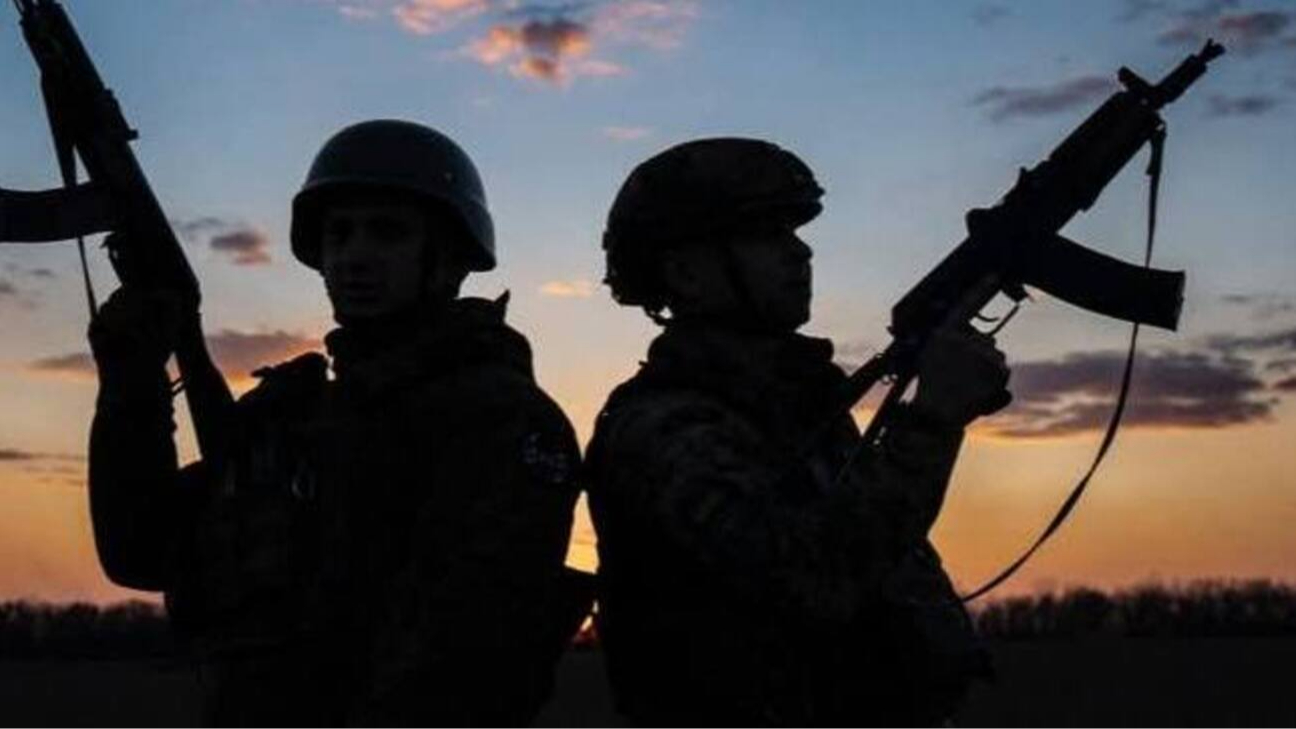
Russian forces strike Ukrainian nuclear plant cooling systems and bridges in Kyiv. — Source: ukrainskapravda
U.S. Military Leaders’ Assessment of Ukrainian Innovation
Former U.S. Army Secretary Dan Driscoll described Ukraine’s rapid innovation in drone technology and modern warfare as “humiliating” for the United States given its vastly larger budget. Driscoll noted that Ukraine’s smaller budget produced better weapons of war in some cases and called the speed of adaptation a wake-up call. During his tenure, Driscoll advocated for counter-drone systems and an Unmanned Assault Battalion, but those initiatives faced opposition and the unit was later returned to a standard airborne infantry role. [2]
Broader Geopolitical Shifts Involving Russia, North Korea, and China
The Russia–North Korea partnership has altered regional dynamics, given Kim Jong Un leverage over Beijing, and complicated the informal alignment among the three states. The Comprehensive Strategic Partnership Treaty signed in June 2024 includes a mutual defense clause, and Russia has treated North Korea as an equal partner in ways China never has. Beijing has watched the deepening ties with unease, as sensitive technology transfers have occurred without its knowledge, giving Pyongyang greater room to maneuver and resist Chinese pressure on its nuclear program. [1]
What to watch next: Continued Russian strikes on Kyiv bridges and energy infrastructure, further North Korean troop rotations or ammunition deliveries to Kursk, and the rollout of German-funded interceptor drone production in Ukraine.







