
Doomsday Clock for Russian War Resources Ticks to 2028, Ukraine Intelligence Says
Russia has enough resources to continue its war against Ukraine through 2027 and 2028 despite economic weaknesses and Ukrainian long-range strikes, according to Ukraine's military intelligence chief. The doomsday clock on those resources reflects a narrowing window as labor shortages, a federal budget deficit now at $82 billion, and banking system strains mount, even while Ukrainian strikes disable portions of Russian infrastructure. [2]
Russian Resource Assessment
Ukraine's military intelligence chief Oleh Ivashchenko assessed that Russia is economically much weaker than at the start of the full-scale war yet retains sufficient resources to fight for two more years. [2] The main problems facing the Russian economy are a shortage of labor resources, a growing federal budget deficit, and a deteriorating situation in the banking system, Ivashchenko told the Ukrainian news agency. [2] At the same time, it still has enough resources to wage war against Ukraine, and analysts do not rule out that these resources will last through 2027 and 2028. [2] Kyiv's wartime strategy has increasingly centered around long-range drone strikes against Russian refineries, oil depots, factories, and tankers, aiming to undercut the Kremlin's revenues and increase economic pressure. [2] Record military spending has driven Russia's budget deficit, which soared by 40 percent in the first half of the year even as Russian President Vladimir Putin claimed the situation is not critical. [2] Ivashchenko said that Ukrainian strikes are contributing to this deficit, which today stands at $82 billion. [2] The intelligence chief also underscored the impact of Ukrainian strikes against Russian logistics in the Black Sea, forcing Moscow to seek more expensive routes for its grain exports. [2] Russia produces about 130 million tons of grain per year, with about 80 million for domestic needs and the rest going to foreign markets, yet this is blocked today. [2] Kyiv views Russia's grain exports as a resource sustaining the Russian economy and therefore its war against Ukraine. [2]
Impact of Ukrainian Strikes on Oil and Logistics
About 40 percent of Russia's oil-refining infrastructure has been disabled amid Ukrainian strikes, leading to fuel shortages and prompting the country to ban exports of diesel and gasoline. [2] Ukraine has recently expanded its list of targets in Russia, systematically striking warehouses of online retailers like Ozon and Wildberries. [2] Ukrainian strikes on Black Sea routes have blocked much of Russia's grain exports that sustain its economy. [2] These actions form part of a broader effort to apply economic pressure through long-range capabilities. [2]
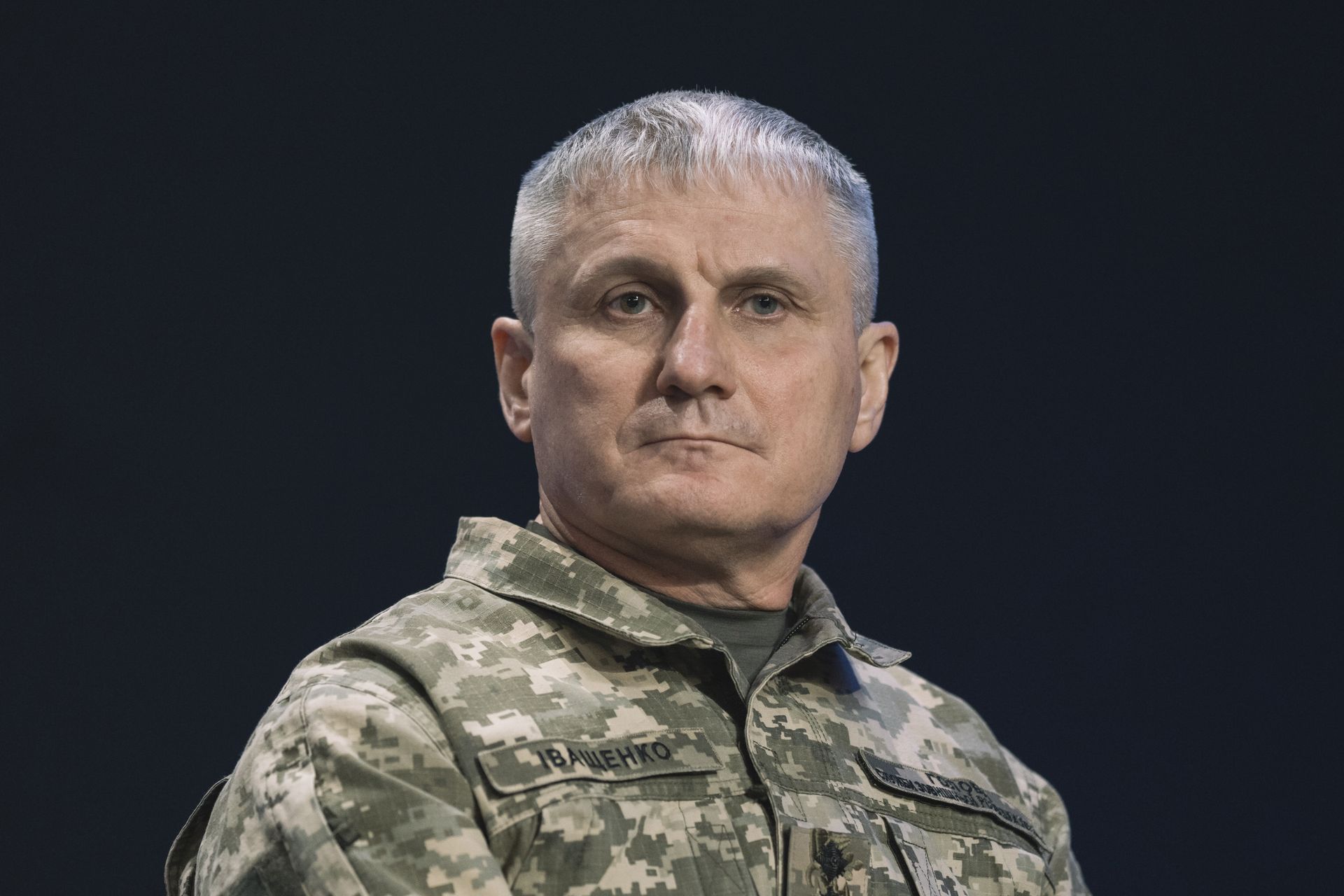
Ukraine's military intelligence chief Oleh Ivashchenko assesses Russian resources for war through 2028. — Source: kyivindependent
Ukrainian Drone Production Expansion
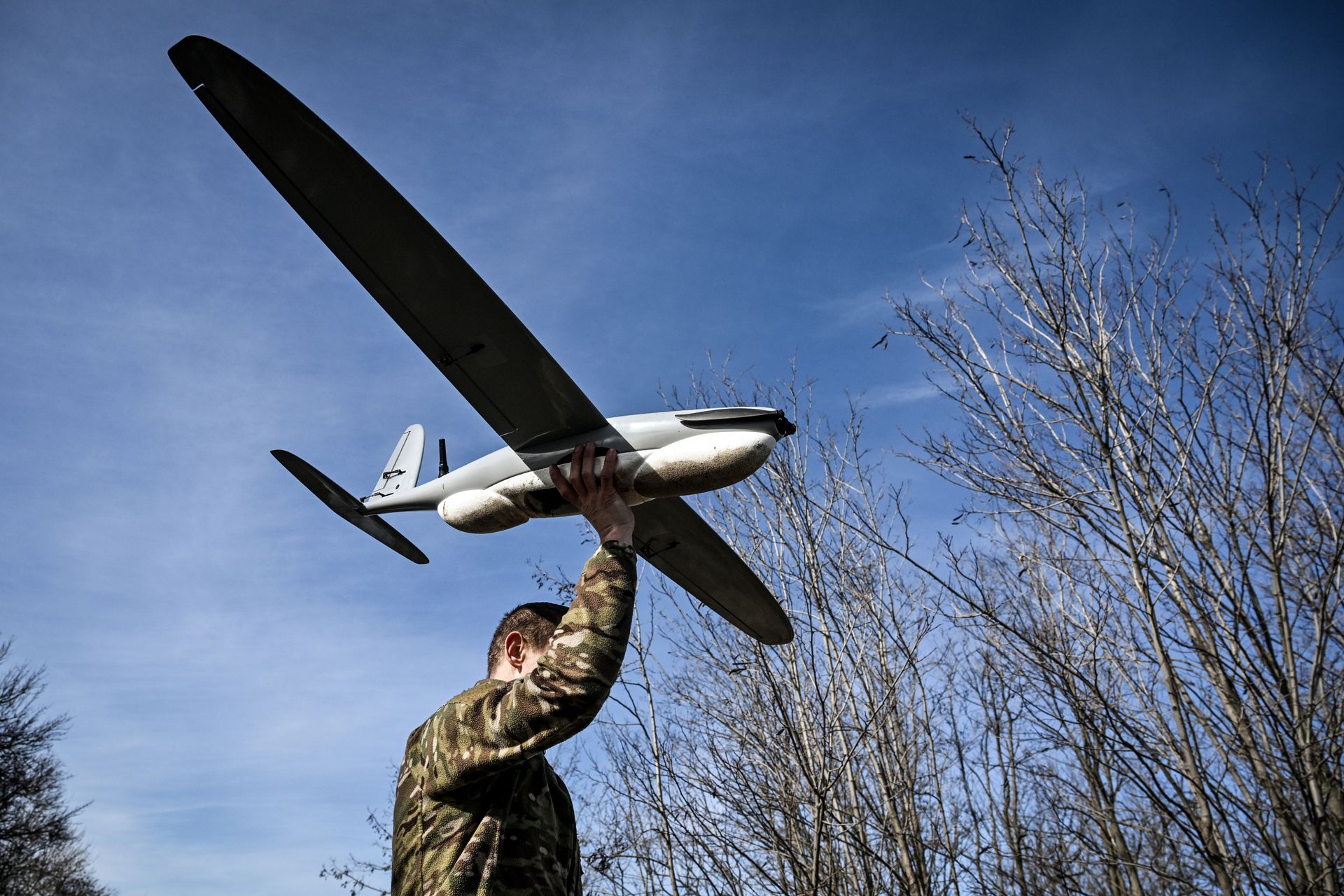
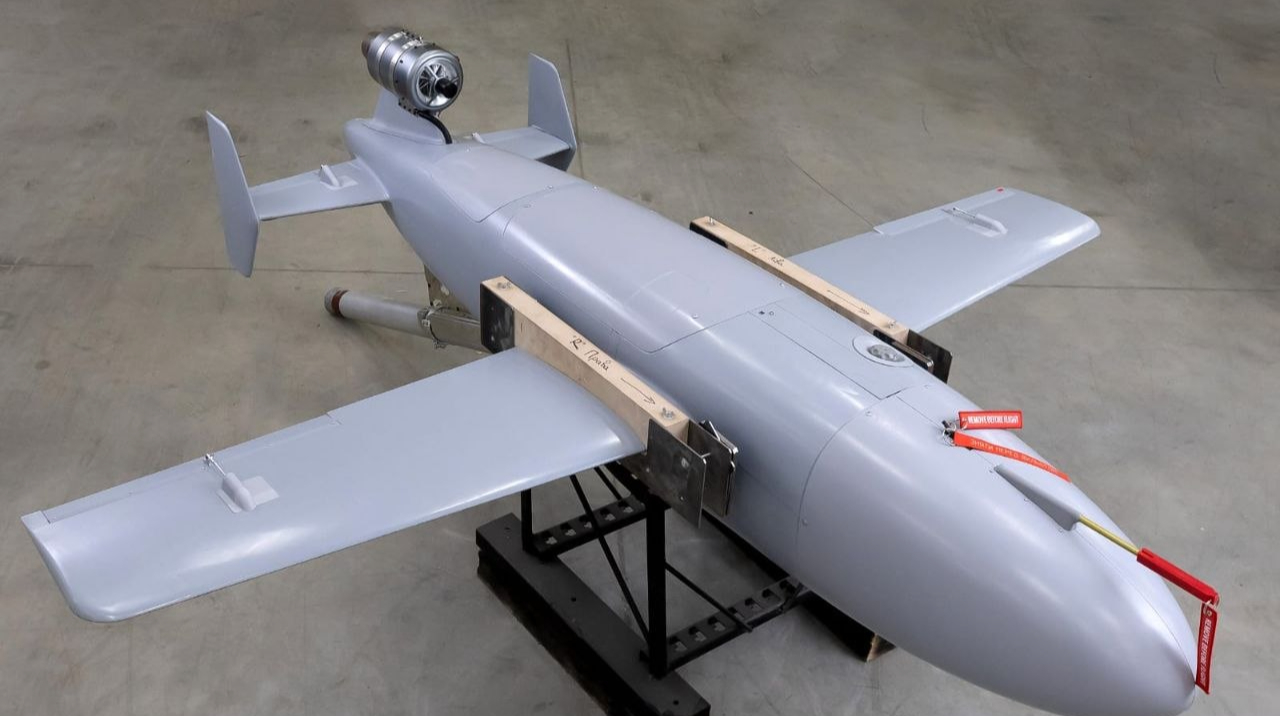
A joint venture manufacturing Ukrainian Bars jet-powered drones will begin operating in Europe in early September. [1] According to the production plans, the plant's first products will be supplied to Ukrainian forces from 10 October. [1] The only constraint on scaling up drone production is the lead time for supplying the turbojet engines used in the Bars drones, which the company purchases around the world. [1] Nothing is currently preventing such scaling, especially following the state's provision of an opportunity to establish joint ventures. [1] With the launch of official and transparent exports, the developer sees only opportunities to increase and expand production capacity. [1] The Bars jet-powered drone has a strike range of up to 1,000 km and can carry a warhead weighing up to 60 kg. [1] The UAV can reach speeds of more than 700 km/h. [1] The Bars operates as a modular platform that can be used for long-range strikes, mid-range strikes and short-range strikes, depending on the amount of fuel and the weight of the warhead. [1] More than 74 percent of the Bars drones are locally produced. [1] The company has also completed final tests of an engine of its own manufacture. [1] The UAV uses AI for terminal guidance towards the target. [1] In July, Ukraine and Germany signed an agreement on the joint production of Bars drones. [1] At the first stage of the project, the German side will finance the production of the drones, and all equipment manufactured will be handed over to the defence forces of Ukraine. [1]
Russian Troop Losses and Frontline Dynamics
Russia is losing more troops in Ukraine each month than it can replace, as evidenced by the absence of a major summer offensive by Russia this month, Estonian Defense Forces Lieutenant Colonel Mattias Puusepp said. [5] Underpinning even the most modest advance by Russian forces in Ukraine is an implied willingness to sacrifice thousands of combatants to make gains as small as a single square kilometer, Puusepp noted. [5] If we compare this with the same period a year ago, when the Russians managed to capture about 460 square kilometers last August and lost about 30,000 men in the process, then this August, according to Ukrainian statistics, the Russians have lost 42,000 men in taking significantly less territory. [5] This shows that the Ukrainians' ability to repel and annihilate them effectively has been boosted over the past year, and at the same time the Russians have failed to come up with any effective method for accelerating their advance, Puusepp told Ukraina stuudio. [5] When more than 40,000 men are lost in a month while the replenishment rate to the battlefield is around 30,000 over the same period, this represents a fairly substantial deficit and is one of the reasons why the advances have slowed, he went on. [5] In fact, we cannot say there has been any successful offensive as such this summer, which had generally been expected, with the Russians anticipated to launch some kind of larger offensive, Puusepp said. [5] Instead, it has all been more like local skirmishes, and they have not been able to achieve any significant operational success. [5] Of the overall situation on the front, this remains stable, with only minor movements back and forth, Puusepp said. [5] The war is now in its 236th week, and the Ukrainians are holding on. [5] The level of activity is basically the same as last week, at around 265 combat engagements per day. [5] The hotspots also remain the same: Kostiantynivka, Pokrovsk and Lyman in Donetsk oblast, and Huliaipole in Zaporizhzhia oblast. [5]
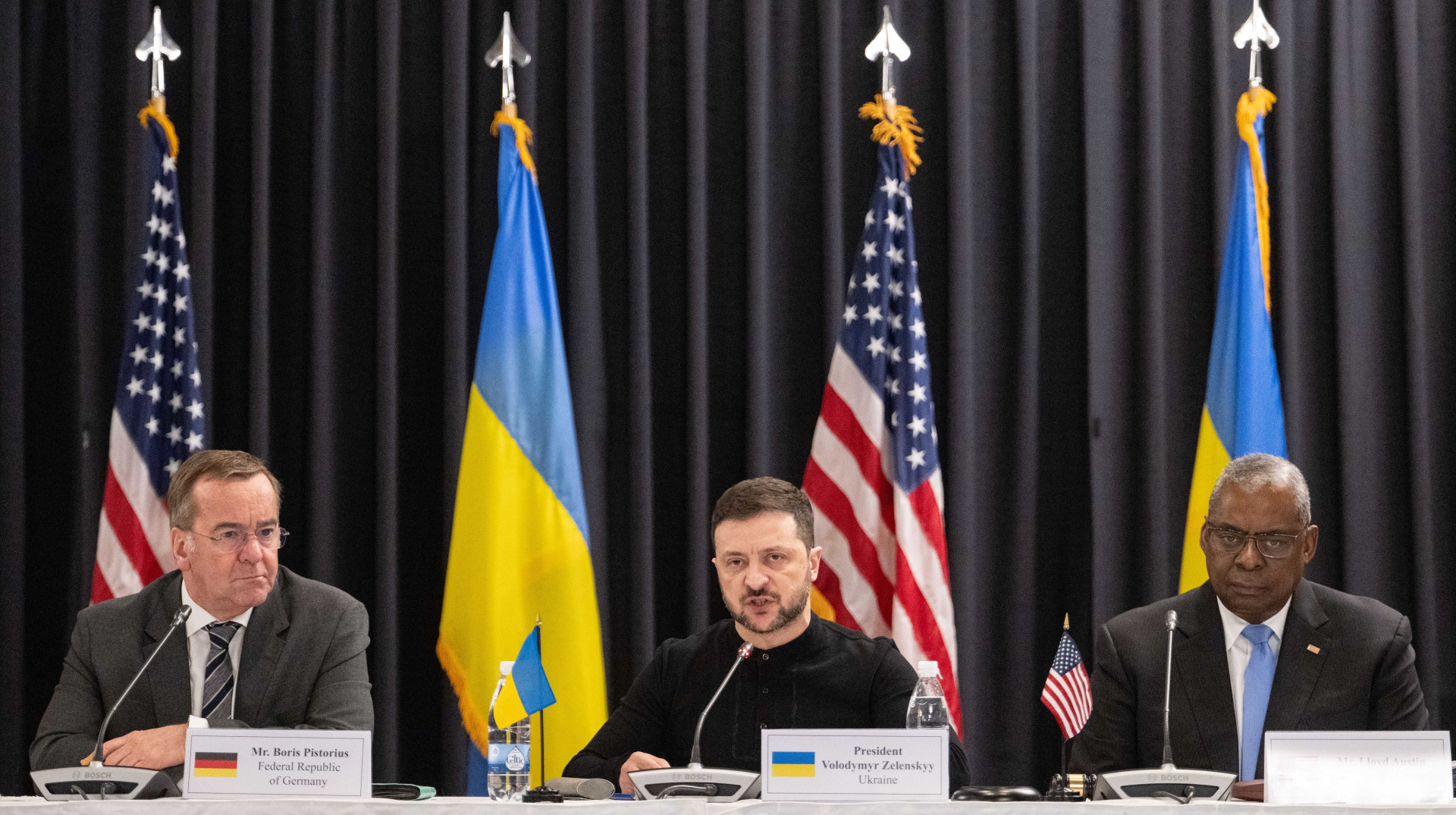
Ukraine intelligence chief Oleh Ivashchenko assesses Russian war resources during 36th Ukraine Defence Contact Group meeting. — Source: ukrainskapravda
Upcoming Defence Contact Group Meeting
The 36th meeting of the Ukraine Defence Contact Group will take place remotely, co-chaired by the defence ministers of the UK and Germany. [4] The Ramstein meeting, 36th since its establishment, will take place in video format co-chaired by UK Defence Secretary Wes Streeting and German Defence Minister Boris Pistorius. [4] NATO Secretary General Mark Rutte and US Under Secretary of Defense for Policy Elbridge Colby are expected to participate. [4] The meeting is due to begin at 16:00 Kyiv time. [4] Ahead of the meeting, Ukraine submitted a list of urgent air defence needs to NATO, and Defence Minister Yevhenii Khmara held a preparatory call with NATO Secretary General Mark Rutte. [4] The last meeting of the Ukraine Defence Contact Group was held on 18 June at NATO Headquarters in Brussels and was co-chaired by the United Kingdom and Germany. [4] Following the meeting, Pistorius announced that Ukraine would receive a three-digit number of air-to-air missiles from German stocks. [4] He also said the two nations would jointly produce ground robotic systems. [4]
UN Concerns on Autonomous Weapons
UN rights chief expressed horror at reports of fully autonomous killer drones in Ukraine. [3]
What to watch next
The 36th Ramstein-format meeting will address Ukraine's urgent air defence needs while European production of Bars drones begins in early September with first deliveries expected from 10 October.