
Doomsday Clock for Russian Forces Ticks as Losses Reach 1.5 Million in Ukraine
The doomsday clock for Russian forces continues to advance amid mounting losses that have now reached 1,496,440 troops since the full-scale invasion began on Feb. 24, 2022, according to the Ukrainian General Staff, which reported 1,390 casualties in the past day.
Russian Troop and Equipment Losses
Russia has lost around 1,496,440 troops in Ukraine since the beginning of its full-scale invasion on Feb. 24, 2022, the General Staff of the Armed Forces of Ukraine reported on Sept. 6. [1] The figure includes 1,390 casualties that Russian forces suffered over the past day. [1] Russia has also lost 12,331 tanks, 25,278 armored combat vehicles, 49,260 artillery systems, 501,244 aerial drones and other equipment since the invasion began. [1] The total combat losses of the Russian forces between 24 February 2022 and 6 September 2026 are estimated to be approximately 1,496,440 (+1,390) military personnel, 12,331 (+3) tanks, 25,278 (+5) armoured combat vehicles, 49,260 (+33) artillery systems, 2,096 (+3) multiple-launch rocket systems, 1,605 (+1) air defence systems, 441 (+0) fixed-wing aircraft, 355 (+0) helicopters, 2,507 (+5) ground robotic systems, 501,244 (+1,435) operational-tactical UAVs, 5,070 (+0) cruise missiles, 35 (+0) ships/boats, 2 (+0) submarines, 144,435 (+392) vehicles and fuel tankers, and 4,644 (+0) special vehicles and other equipment. [2]
Ukrainian Casualty Estimates
Independent Western think-tank reports agree that the Russian casualties significantly surpass Ukraine's losses, with the Center for Strategic and International Studies (CSIS) estimating the ratio to be roughly 2.5:1 or 2:1. [1] A January 2026 CSIS report said Ukraine has likely suffered between 500,000 and 600,000 casualties from February 2022 to December 2025, of which between 100,000 and 140,000 are thought to be killed in action. [1] President Volodymyr Zelensky told France TV on Feb. 4 that at least 55,000 Ukrainian soldiers have been killed in action since the beginning of the full-scale war, in addition to a lot more missing in action. [1] The intensity of Russian drone attacks and the fighting has made it extremely difficult for Ukraine to retrieve the bodies of fallen soldiers, which are needed for DNA confirmation. [1]
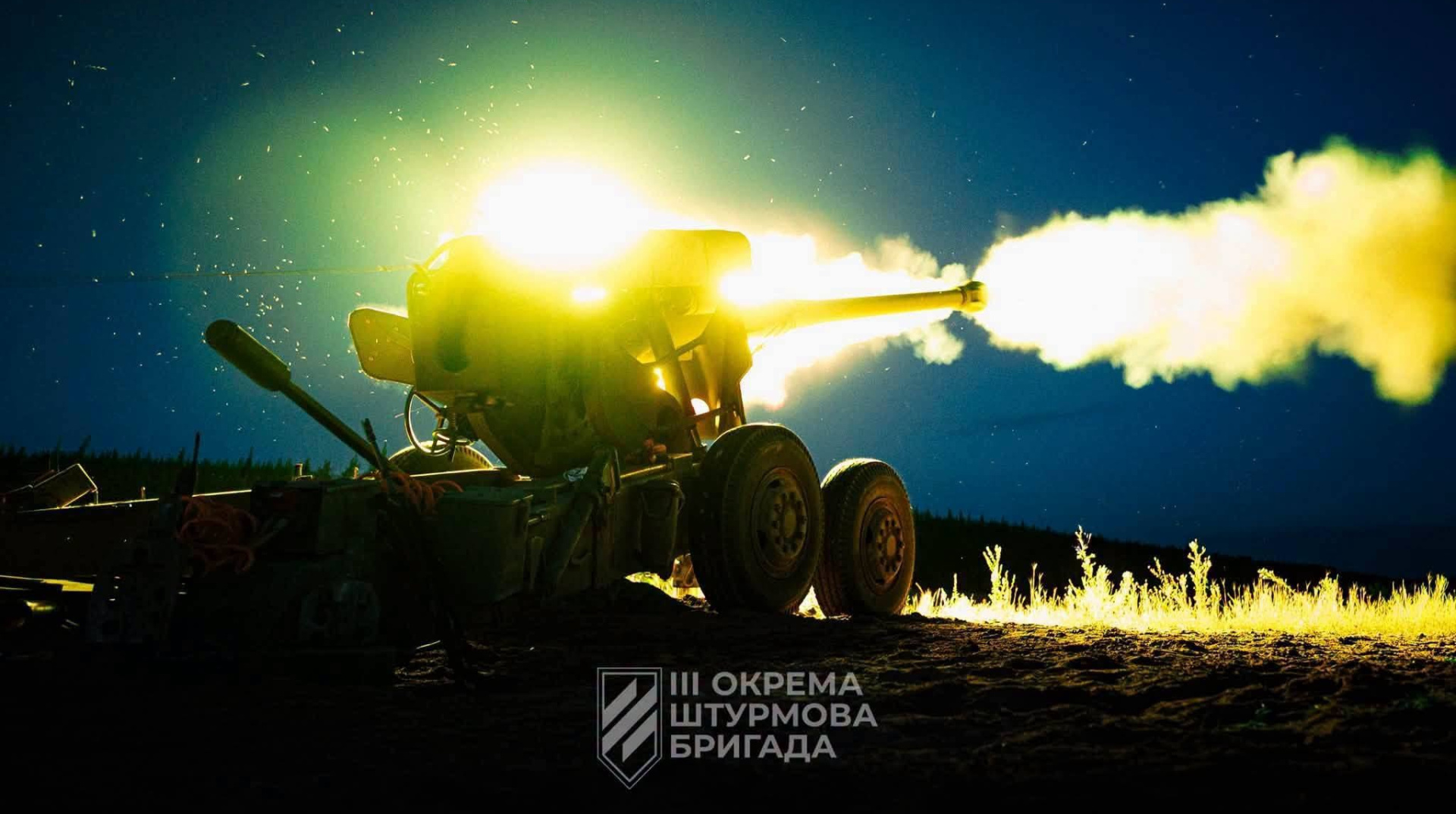
Ukrainian General Staff reports 1,390 Russian troop losses in the past day. — Source: ukrainskapravda
Escalating Russian Drone Campaign
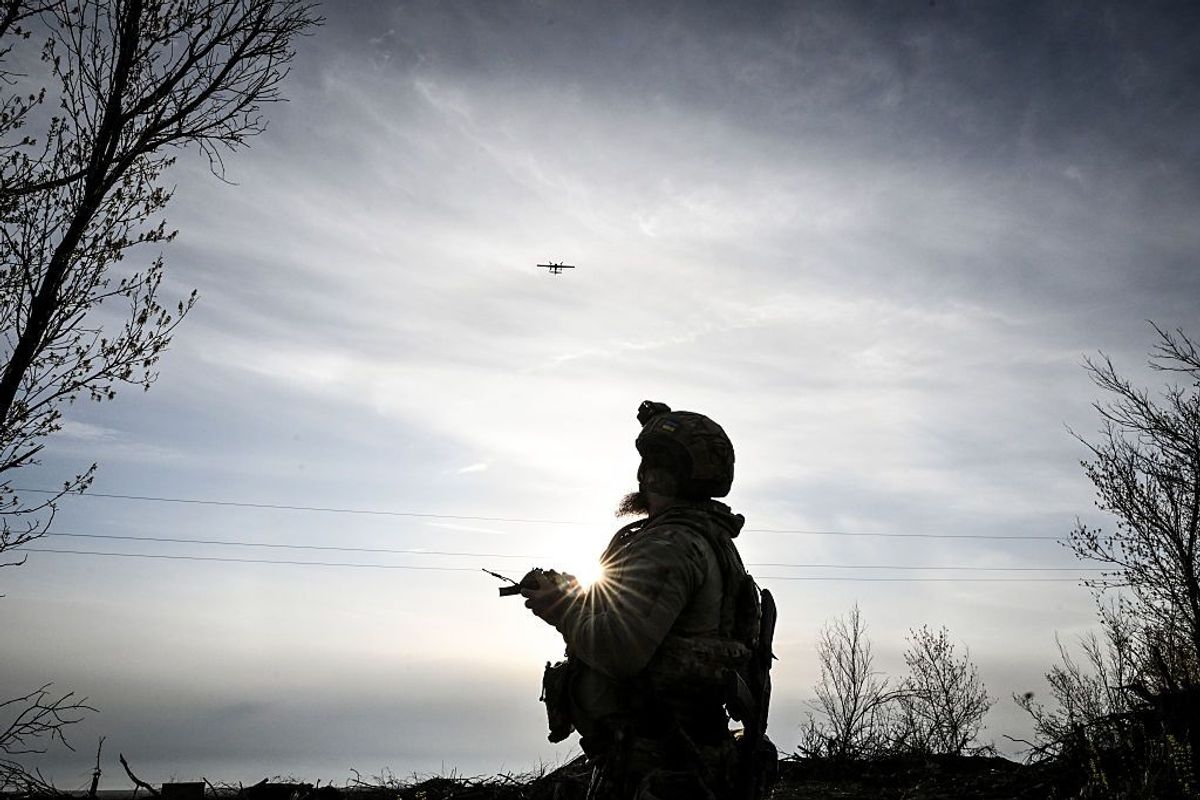
A Ukrainian military official has revealed that Colonel Oleksandr Dmukhovskyi has recently been appointed commander of Ukraine's Close Air Defence, the branch responsible for protecting troops and critical facilities against aerial threats at short range. [4] Yurii Cherevashchenko, Deputy Commander of the Air Force, will oversee Ukraine's Close Air Defence and coordinate this area within the Air Force. [4] The role of Close Air Defence is becoming increasingly important as Russia steps up its use of attack UAVs, particularly jet-powered drones, prompting the military leadership and Ukrainian defence industry to seek effective and practical ways to counter them. [4] Russia launched around 350 jet-powered UAVs on Ukraine in June, 1,500 in July and more than 2,800 in August. [4] The statistics speak for themselves – the enemy is ramping up the production and numbers of jet-powered UAVs. [4] Countermeasures are being taken – all available assets and personnel are being deployed to shoot down or neutralise jet-powered drones, including fighter aircraft, short- and medium-range anti-aircraft missile systems, and electronic warfare systems. [4] Of course, the Close Air Defence – mobile fire groups and anti-aircraft interceptor drone crews – remains part of the integrated air defence system. [4] There are certainly plenty of aerial targets for them. [4] After all, reconnaissance UAVs, classic Shaheds equipped with internal combustion engines, Gerberas and Parodiyas have not disappeared. [4] There are fewer of them now, but a significant number are still being launched. [4] Personnel changes in the leadership are a normal and ongoing process, particularly during wartime. [4] Brigade commanders and those appointed to higher posts are officers who have gained substantial experience in combat operations, demonstrated effectiveness, delivered results on the battlefield, understand the inner workings of the organisation, and are able to apply this experience on a larger scale. [4] Take, for example, Oleksandr Dmukhovskyi, who was recently appointed commander of the Close Air Defence; prior to this, he led one of the finest regiments – the 1020th Anti-Aircraft Missile and Artillery Regiment, which boasts some of the highest records for shooting down enemy attack drones. [4]
Temporary Pause in Strikes on Kyiv
Russian President Vladimir Putin on Saturday ordered a 72-hour pause in strikes on Kyiv as US envoys Steve Witkoff and Jared Kushner arrived in Moscow. [3] Putin and Zelensky ordered a 72-hour pause in strikes on Kyiv as US envoys arrived in Moscow. [3]
{IMAGE_3}
Broader Operational Context
According to Ihnat, the state leadership and the Ukrainian defence industry have come up with innovative ways to counter jet-powered UAVs, and these have already been unveiled. [4] The Air Force will, of course, provide the facilities needed to test them, particularly jet-powered interceptors. [4] During Mykhailo Fedorov's tenure as Defence Minister, the Close Air Defence, which was being formed under the leadership of Pavlo Yelizarov, Deputy Commander of the Ukrainian Air Force, was headed by Colonel Yevhen Khliebnikov. [4] In late August, Ukraine's new Defence Minister, Yevhen Khmara, said Ukraine already has four potential interceptors capable of shooting down jet-powered Shaheds, all of which have undergone field trials. [4]
Doomsday Clock on Sustained Ukrainian Responses
Ukraine's General Staff has not revealed its own losses during the full-scale invasion, citing operational secrecy. [1] The spokesperson said Russia launched around 350 jet-powered UAVs on Ukraine in June, 1,500 in July and more than 2,800 in August. [4] The Air Force will, of course, provide the facilities needed to test them, particularly jet-powered interceptors. [4]
What to watch next: Russia launched around 2,800 jet-powered drones against Ukraine in August, up from 1,500 in July and 350 in June, prompting Ukraine to appoint Colonel Oleksandr Dmukhovskyi as commander of Close Air Defence.