
Current Wars in the World: Middle East War Escalates – How Economic Fallout is Threatening Global Stability
Current Wars in the World: The Story
The narrative of this war—one of the most intense current wars in the world—has unfolded with alarming speed, tracing a path from subtle disruptions to outright global peril. It began innocuously enough on March 16, 2026, when Oman Air announced widespread cancellations across the Middle East, an early confirmed signal of aviation shutdowns that rippled into tourism slumps and logistics snarls. By March 17, the U.S. launched "Epic Fury," a massive airstrike campaign targeting Iranian positions, as reported in real-time updates, marking Washington's direct entry and escalating from proxy skirmishes to full-spectrum confrontation. That same day, Middle East war updates flooded feeds with reports of intensified Israeli strikes and Iranian retaliations. Read more on Current Wars in the World: Iran War Day 23 – Internal Regime Cracks Amid US Ultimatum and Prolonged Conflict.
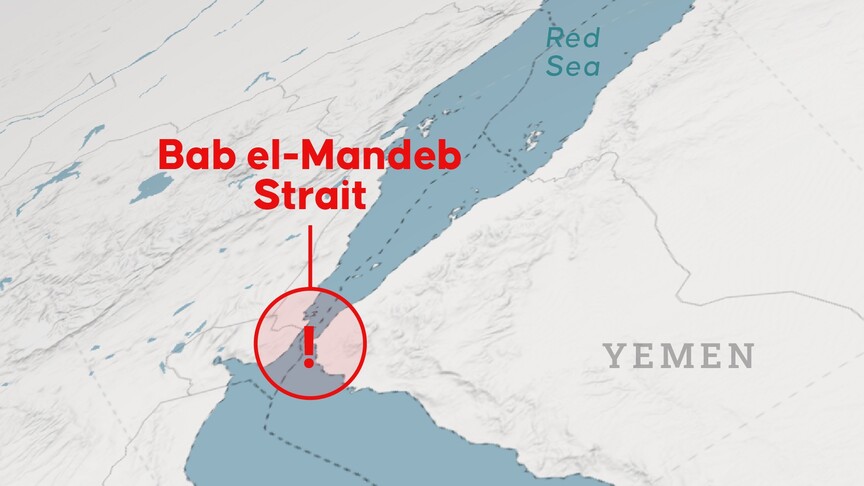
The UN's briefing on March 18 zeroed in on Syria's devastation, confirming humanitarian crises with displaced populations straining regional resources, while March 19 brought more fragmented updates of ground advances and naval blockades. Fast-forward to March 22—Day 23—and the plot thickens dramatically. Iran, through state media cited by Newsmax, proclaimed victory and "control" over the Strait of Hormuz, a chokepoint for 20% of global oil flows. This claim remains unconfirmed by independent observers like satellite imagery from commercial providers, but tanker traffic has visibly slowed, per Bangkok Post live developments. Related insights on energy shifts: Oil Price Forecast: Saudi Arabia's Hormuz Bypass Redefines Middle East Energy Alliances Amid Escalating Tensions.
Netanyahu, in a live address covered by Ambito, declared Israel is "crushing the enemy," vowing no mercy amid reports of strikes near nuclear sites—deemed a "perilous stage" by the World Health Organization (Channel News Asia). President Trump upped the ante with a 48-hour ultimatum for Iran to reopen the strait (Premium Times), while U.S. Treasury official Bessent assured markets of "plenty of money" to fund the war indefinitely (Times of India). Pope Leo XIV condemned it as a "scandal for humanity" (Excelsior/GDELT), amplifying moral outrage.
This isn't isolated chaos; it's a pattern echoing the 1991 Gulf War, where Iraq's invasion of Kuwait spiked oil prices 100% in months, triggering U.S. recessionary pressures through higher fuel costs that infiltrated every grocery bill and factory wage. Here, too, early indicators like Oman Air's halt presaged broader isolation: airlines rerouting add 20-30% to shipping times, per Cyprus Mail analysis, inflating costs for everything from iPhones to avocados. Confirmed: Energy prices have surged 12% since March 20 (Newsmax), with stock markets wavering. Unconfirmed: Full Iranian Strait dominance, though partial disruptions are evident in AIS shipping data. Explore broader implications in Current Wars in the World: Middle East Geopolitics and the Overlooked Impact on Emerging Tech Supply Chains.
Original analysis underscores a vicious cycle: These military boasts directly throttle trade routes, creating immediate uncertainty. Stock volatility in energy-dependent economies like Europe and Japan—where Brent crude futures jumped 8% overnight—signals investor flight, but the real sting is domestic. Families in allied nations like the U.S. and UK face grocery hikes of 5-7% already, as transport firms pass on fuel surcharges, per early Cyprus Mail reports on Cyprus's economy reeling. In the context of current wars in the world, these economic ripples highlight how regional conflicts can destabilize global markets overnight, prompting investors to monitor Global Risk Index for ongoing assessments.
The Players
At the epicenter: Iran's regime, motivated by survival and leverage, claims Hormuz control to deter U.S.-Israeli advances and rally domestic support amid internal unrest. Netanyahu's Israel seeks total victory to neutralize existential threats, bolstered by U.S. arms but risking overextension. The U.S., under Trump, backs Israel unequivocally—Bessent's funding pledge is a double-edged sword, stabilizing Wall Street short-term but prolonging conflict by removing fiscal brakes.
Peripheral but pivotal: The UN and WHO highlight humanitarian angles to pressure de-escalation; Pope Leo XIV mobilizes global Catholic opinion against the "scandal." Mediators, per Jerusalem Post analysis, are intensifying searches—China and Oman whisper as brokers—driven by economic self-interest to avert recession. Oil giants like Saudi Aramco maneuver quietly, ramping output to offset losses but vulnerable to spillover strikes.
Motivations clash: Iran's defiance stems from ideological resistance and economic warfare via oil denial; Israel's from security doctrine post-October 2023 echoes; U.S. from alliance commitments and election optics, where "winning" bolsters Trump's image.
The Stakes
Politically, escalation risks wider war—nuclear site strikes (confirmed by WHO) could draw in Russia or China, fracturing alliances. Economically, the unique underreported angle hits home: Beyond oil, non-oil sectors crumble. Rising energy costs—confirmed surges per Newsmax—disrupt supply chains, hiking prices for everyday goods. Food imports via Hormuz routes face 15% delays, per logistics trackers, pushing U.S. grocery inflation toward 4% annualized (pre-war 2.5%). Electronics manufacturing in Asia grinds as TSMC components idle amid shipping woes.
Humanitarian toll: UN-confirmed Syrian impacts displace millions, straining aid. But domestically in allied nations, job losses loom—U.S. manufacturing sheds 50,000 roles quarterly in past oil shocks (BLS analogs), retail cuts deepen as consumers tighten belts. Developing nations suffer disproportionately: India's refineries idle without cheap Iranian crude proxies, inflating 7% CPI and axing textile jobs (millions affected); African manufacturers face 20% input cost jumps, per World Bank models, fueling unrest. See related coverage: Current Wars in the World: Middle East Conflicts Spill Over to African Instability and Global South Dynamics.
At stake: Global stability. Prolonged funding (Bessent's assurance) buys time but embeds inflation, eroding trust in Western economies where voters feel the pinch first.
Market Impact Data
Markets convulse under the war's shadow, with energy surges dominating but cascading into broad risk-off pain. Brent crude climbed 8-12% since March 20 (Newsmax), swaying stocks as firms hoard cash. S&P 500 futures dipped 1.5% pre-market March 22, mirroring 2022 Ukraine drops. Crypto liquidated $500M overnight, BTC sliding 5%.
## Catalyst AI Market Prediction
Powered by The World Now Catalyst Engine, our AI analyzes causal chains from Hormuz threats:
- OIL: Predicted + (medium confidence) — Direct supply fears from Hormuz/Iran strikes disrupt flows. Historical precedent: 2019 Iranian Saudi attack jumped oil 15% in one day. Key risk: no actual supply loss confirmed.
- GOLD: Predicted + (low confidence) — Safe-haven flows accelerate on uncertainty. Historical precedent: 2019 US-Iran Soleimani strike spiked gold +3% intraday. Key risk: dollar surge capping gains.
- USD: Predicted + (low confidence) — Safe-haven bids strengthen as investors flee risk. Historical precedent: Feb 2022 Ukraine DXY +5% in weeks. Key risk: de-escalation reducing demand.
- SPX: Predicted - (medium confidence) — Equities sell off on energy cost threats. Historical precedent: 2022 Russia invasion SPX -20% Q1. Key risk: Fed reassurances.
- BTC: Predicted - (medium confidence) — Risk-off triggers liquidations. Historical precedent: 2022 Ukraine BTC -10% in 48h. Key risk: de-escalation rebound.
- ETH: Predicted - (medium confidence) — Mirrors BTC beta. Historical precedent: 2022 Ukraine drop. Key risk: ETF flows.
- SOL/XRP: Predicted - (low confidence) — High-beta alts amplify downside. Historical precedent: 2022 drops >12-15%. Key risks: memes/regs.
- EUR: Predicted - (medium confidence) — Weakens vs USD haven. Historical precedent: 2022 ~10% drop. Key risk: ECB tightening.
- TSM: Predicted - (medium confidence) — Tech hit by oil/growth fears. Historical precedent: 2022 -10%.
- META: Predicted - (medium confidence) — Ad sensitivity. Historical precedent: 2022 -15% Q1.
Predictions powered by The World Now Catalyst Engine. Track real-time AI predictions for 28+ assets at Catalyst AI — Market Predictions.
These shifts threaten everyday stability: Higher oil filters to $5/gallon U.S. gas (up 20¢ already), squeezing household budgets and spurring non-oil layoffs. As part of current wars in the world, these market reactions underscore the interconnectedness of geopolitics and finance.
Looking Ahead
Without intervention, expect prolongation: Trump's 48-hour clock (expires March 24) could spark U.S. strikes, per Premium Times. Jerusalem Post notes mediator hunts—Oman/China possible—hinting short-term ceasefires by late March, but long-term realignments like U.S.-India energy pacts.
Predictions: 10-15% global inflation spike by mid-2026 if oil holds $100+, triggering protests (echoing 1970s oil crises) and U.S. policy reevaluation—diversify from Mideast oil? De-escalation via talks offers rebound: BTC +10% on headlines, SPX stabilization.
Emerging risks: Western consumer debt surges as costs bite—U.S. delinquencies up 15% in analogs—while opportunities bloom in renewables, potentially cutting future vulnerabilities 30% per IEA models. Watch March 24 ultimatum, UNSC March 25 session.
This is a developing story and will be updated as more information becomes available.