Iran Engages Air Defences Against Drones Over Qeshm Island Amid Strike Iran Reports
Iranian air defences engaged drones over Qeshm Island in the Strait of Hormuz, with officials denying reports of explosions or damage.[1] This development comes amid unverified reports of a strike Iran has firmly rejected, heightening concerns in the strategically vital waterway where recent exchanges have tested regional stability.[1][2] International leaders have urged Iran to pursue diplomacy amid these regional strikes, while Saudi Arabia and Qatar expressed solidarity with the UAE, and Germany and Britain condemned the attacks, calling for compliance with international law.[2] Fresh attacks on the UAE were blamed on Iran by some reports, though Iran denied targeting the UAE following those strikes.[3][4]
Drone Engagement in the Strait of Hormuz
The incident over Qeshm Island unfolded when Iranian authorities reported that air defence systems were activated to confront unidentified drones flying in the area. According to officials in Hormozgan province, the loud sounds heard by residents on the island were not explosions but rather the result of air defences responding to small reconnaissance drones.[1] This clarification came swiftly after initial reports circulated of possible explosions on the strategic island, which lies in the Strait of Hormuz, a critical chokepoint for global energy shipments.[1]
Iran's Student News Network relayed the official statement, emphasizing that no damage occurred and no explosions took place on Qeshm Island itself.[1] The engagement highlights the vigilance of Iranian air defences in a region prone to aerial intrusions, particularly given the island's position in the Strait of Hormuz, where tensions have simmered due to past naval and aerial activities.[1] Authorities stressed that the response was targeted and measured, aimed solely at neutralizing the drone threat without escalation.[1] This event underscores the ongoing challenges in securing airspace over key maritime routes, where even reconnaissance drones can signal broader intelligence-gathering efforts.[1]
Further details from the provincial officials indicated that the drones were of a small variety, typically used for surveillance rather than offensive purposes, prompting a defensive rather than aggressive counteraction.[1] The denial of any damage or explosions served to reassure local populations and international observers that the situation remained contained, preventing potential panic or misinterpretation that could lead to wider conflict.[1] In the context of the Strait of Hormuz's role as a conduit for a significant portion of the world's oil supply—though specifics on transit volumes are not detailed in reports—these air defence activations carry implications for maritime security and economic stability.[1][2]
The timing of this drone confrontation aligns with heightened alertness in the area, following reports of exchanges between Iran and other actors, including the United States, over control and access to the strait.[2][5] Iranian forces' quick attribution of the sounds to defensive measures reflects a pattern of proactive transparency in such incidents, aiming to counter narratives of unprovoked aggression.[1] Analysts note that such engagements, while routine in contested airspace, contribute to the fragile security environment, where miscalculations could disrupt vital shipping lanes.[1]
Denials and Official Responses
Iranian officials have categorically denied any involvement in targeting the UAE, issuing statements in response to reports of strikes attributed to Tehran.[4] This denial followed media accounts of Iranian strikes in the region, with Iran emphasizing that its actions were defensive and not directed at UAE territory or assets.[4] The Jerusalem Post reported on Iran's explicit rejection of claims that it targeted the UAE, positioning the statement as a direct rebuttal to circulating accusations.[4]
In parallel, the air defence engagement over Qeshm Island was framed by Iranian authorities as a legitimate response to external threats, with no admission of offensive operations.[1] Officials from Hormozgan province reiterated that the sounds on the island were solely from confronting drones, distancing Iran from any narrative of aggression.[1] This dual messaging—denying strikes while justifying defensive measures—aims to maintain Iran's stance as a responder rather than an instigator in regional flashpoints.[1][4]
Netanyahu's voicing of support for the UAE after the reported Iranian strikes added an international dimension to Iran's denials, with Israel aligning itself with Gulf states amid shared concerns over Iranian activities.[4] Iran's response sought to clarify that no such strikes occurred against the UAE, potentially aimed at de-escalating diplomatic fallout.[4] These official clarifications come against a backdrop of strained relations, where precise attributions of incidents are often contested.[1][4]
The structured nature of these responses, disseminated through state-affiliated networks like Iran's Student News Network, indicates a coordinated effort to shape the narrative around events in the Strait of Hormuz.[1] By denying explosions on Qeshm and strikes on the UAE, Iran positions itself as adhering to defensive protocols, countering what it views as provocative reporting.[1][4]
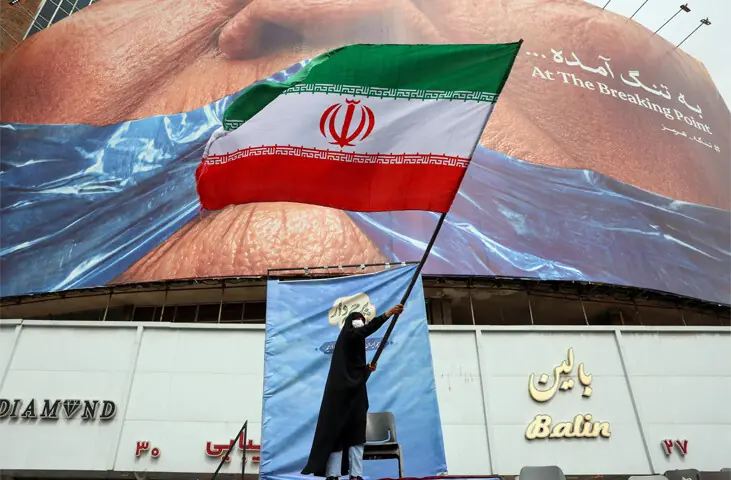
Iranian air defences engage drones over Qeshm Island in the Strait of Hormuz. — Source: dawn
International Reactions to the Incidents
World leaders intensified calls for Iran to prioritize diplomacy following a series of strikes and attacks that have strained truces in the Middle East.[2] The pressure mounted after exchanges over the Strait of Hormuz, including reported trading of fire between Iran and the United States, prompting a scramble for renewed talks.[2] Saudi Arabia and Qatar expressed strong solidarity with the UAE, backing mediation efforts to achieve a political solution amid the escalating incidents.[2]
Germany and Britain issued condemnations of the attack on Fujairah, a key UAE port, urging Iran to fully comply with international law.[2] These statements reflect a unified European stance against actions that threaten regional stability, particularly in vital waterways like the Strait of Hormuz.[2] The Dawn reported on Tuesday's developments, noting how the salvo of attacks has left ceasefires vulnerable, with global powers piling on Tehran to return to the negotiating table.[2]
This chorus of international reactions underscores the interconnected nature of Gulf security, where incidents involving Iran reverberate across alliances.[2] Saudi Arabia and Qatar's support for the UAE highlights intra-Gulf cohesion in the face of perceived threats, while mediation proposals signal a preference for dialogue over further military posturing.[2] European condemnations specifically reference the Fujairah attack, linking it to broader calls for legal adherence, potentially invoking UN frameworks or maritime conventions.[2]
Reported Attacks and Regional Tensions
Fresh attacks on the UAE have been blamed on Iran by various reports, drawing a new reality in the Gulf where accusations of aggression intensify longstanding rivalries.[3] These claims come in the wake of strike Iran reports, contributing to a cycle of blame and counter-narratives that exacerbate tensions.[3][4] The Bangkok Post highlighted how these UAE-targeted incidents are attributed to Tehran, reshaping dynamics in a region already on edge.[3]
Compounding this, reports indicate Iran attacked ships in the Strait of Hormuz, even as the US military sought to ensure the waterway remained open for traffic.[5] Published details from monitoring sources like GDELT point to these ship attacks as part of broader efforts to challenge navigation freedoms in the strait.[5] Such actions fuel perceptions of Iran as a disruptor, aligning with blame for UAE strikes and heightening the risk of wider involvement by external powers.[3][5]
The context of regional tensions includes prior truces now tested by these developments, with the Strait of Hormuz serving as a focal point for confrontations.[2][5] Accusations against Iran for the fresh UAE attacks illustrate the fragile balance, where maritime incidents can quickly escalate into diplomatic crises.[3] Iran's denials notwithstanding, the attribution by reports underscores the challenge of verifying claims in a fog of conflicting information.[3][4]
These reported attacks not only strain bilateral ties but also impact global trade routes, as disruptions in the Hormuz Strait carry economic ripple effects.[5] The interplay of ship attacks and UAE strikes paints a picture of escalating proxy and direct pressures, with Iran at the center of narratives.[3][5]

Iranian air defenses engage drones over Qeshm Island in the Strait of Hormuz. — Source: bangkokpost
Current Status and Calls for Resolution
Ongoing efforts emphasize mediation and adherence to international norms, with world leaders continuing to press Tehran for diplomatic engagement.[2] Saudi Arabia and Qatar's solidarity with the UAE extends to supporting political solutions, while Germany and Britain's condemnations reinforce demands for legal compliance.[2] The current status reflects a precarious calm, tested by recent strikes but buoyed by calls for talks.[2]
As the ceasefire appears to crumble under the weight of Hormuz exchanges, the focus remains on diplomatic channels to prevent further deterioration.[2] This aligns with broader international pressure piled on Iran to avoid actions that undermine truces.[2]
Key Facts and Broader Implications
Drawing from official accounts, key facts include international urging for diplomacy amid regional strikes, Saudi Arabia and Qatar's solidarity with the UAE, and Germany and Britain's condemnations calling for Iran's compliance with international law.[2] Fresh UAE attacks blamed on Iran and Tehran's denials frame the incident's contours.[3][4] Air defences confronting drones over Qeshm without damage or explosions remain central, as do ship attacks in the strait.[1][5]
These elements collectively illustrate a region navigating accusations, denials, and defensive postures, with the Strait of Hormuz as the linchpin.[1][2][5]
What to watch next: Mediation efforts backed by Saudi Arabia and Qatar could gain traction if Iran heeds calls to stick to diplomacy, while compliance with international law remains a key benchmark amid ongoing Strait of Hormuz activities.[2]