
Current Wars in the World: Middle East Conflicts Spill Over to African Instability and Global South Dynamics
By David Okafor, Breaking News Editor and Conflict/Crisis Analyst, The World Now
March 22, 2026
Introduction: The Expanding Reach of Middle East Turmoil in Current Wars in the World
The Middle East remains a tinderbox of escalating conflicts, with recent flashpoints spanning from the West Bank to southern Lebanon as part of the broader current wars in the world. Israeli Defense Forces (IDF) clashed fiercely with Hezbollah militants in Lebanon, neutralizing threats through combined gun and tank fire, as reported by The Jerusalem Post. Concurrently, illegal Israeli settler violence against Christians in the West Bank is intensifying, prompting warnings from Jerusalem's bishop about a surge in attacks, according to Anadolu Agency. These events are not isolated; they form part of a broader escalation fueled by longstanding tensions, including Iran's proxy networks and Israeli counteroperations. Track these dynamics live on our Global Conflict Map — Live Tracking.
This turmoil is spilling over into Africa, exacerbating instability in nations like Sudan and Nigeria—links that mainstream coverage has overlooked amid focus on diplomatic maps, technological warfare, refugee flows, and raw human costs. In Sudan, the Rapid Support Forces (RSF) stand accused of horrific detainee abuses in El-Fasher, with survivors recounting whippings and torture (Citizen Digital); see related analysis in "Current Wars in the World: Sudan's Conflict and the Shadow of Famine". In Nigeria's Katsina State, communal clashes claimed three lives, including a musician, amid banditry and ethnic strife (Premium Times Nigeria). While these appear as local crises, evidence points to indirect ties: arms trafficking from Middle Eastern conflict zones, ideological exports from Iran-backed groups, and opportunistic alliances exploiting Global South vulnerabilities. This unique angle reveals how Middle East dynamics are supercharging African insurgencies, forging new non-state actor networks, and reshaping resource battles in the Global South. Historical precedents, from the Arab Spring's ripple into Mali and Libya, underscore the interconnectedness, setting the stage for a deeper analysis of progression since January 2026 and highlighting patterns in current wars in the world.
Current Wars in the World: Key Flashpoints and Their African Connections
As of March 22, 2026, Middle East hostilities show no signs of abating. IDF operations in southern Lebanon targeted Hezbollah positions, resulting in the elimination of several terrorists—a direct response to rocket fire and border incursions. In the West Bank, settler attacks on Christian communities have escalated, involving vandalism, assaults, and intimidation, as highlighted by the Latin Patriarch of Jerusalem. These incidents compound daily Palestinian-Israeli frictions, with over 500 settler violence cases reported since October 2025. For deeper insights into related Middle East Strike escalations, including Hormuz tensions, explore our coverage.
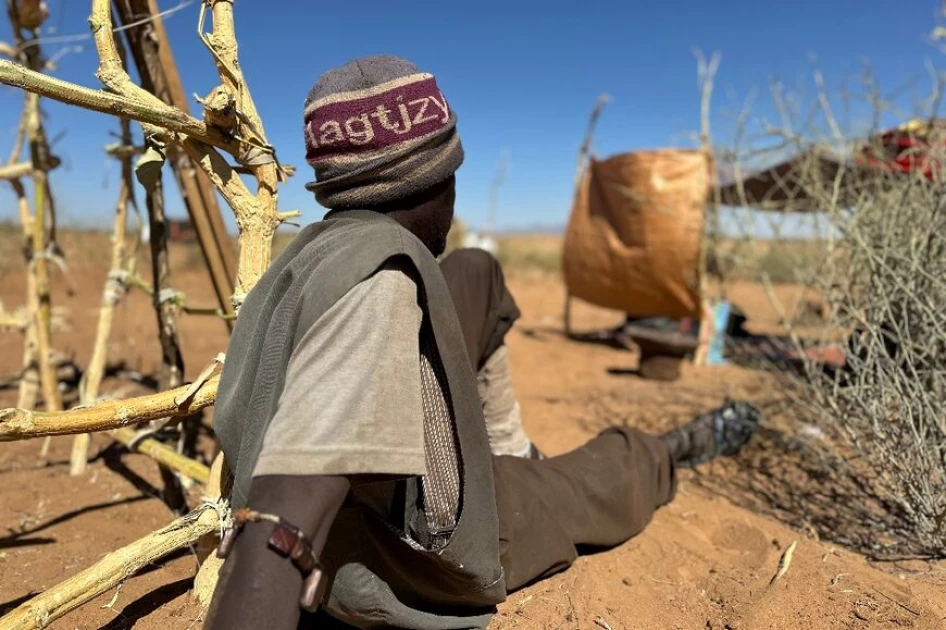
In Africa, the connections are subtler but profound. In Sudan's North Darfur, RSF forces detained civilians in El-Fasher, subjecting them to brutal interrogations involving whips, beatings, and mock executions. One detainee described being "hung upside down and beaten until unconscious," a tactic echoing militia brutality amplified by smuggled weapons. Sudan's civil war, pitting the RSF against the Sudanese Armed Forces (SAF), has claimed over 20,000 lives since April 2023, but recent surges correlate with Middle East arms flows. Reports from UN monitors indicate Kalashnikovs and RPGs traced to Libyan stockpiles—originally fed by Iranian shipments via Yemen—reaching Darfur militias.
Nigeria's Katsina violence offers another vector. On March 20, clashes between herders and farmers killed a popular musician, Umaru Darma, alongside two others, amid bandit raids displacing thousands. Katsina, bordering Niger and sharing Sahel terror networks, sees ideological cross-pollination: Boko Haram splinters invoke Hezbollah-style asymmetric tactics, possibly inspired by online propaganda from Iran-linked channels. Arms from Middle East black markets, funneled through Sahel routes, fuel these groups; a 2025 Interpol report noted a 40% uptick in smuggled Iranian-made drones in West Africa post-Hezbollah clashes.
Human impacts are devastating. In Sudan, 10 million displaced face famine risks, with El-Fasher's detention horrors displacing 50,000 more. Nigeria's violence disrupts food supply chains, hitting Christian and Muslim communities alike—mirroring West Bank sectarian targeting. These ripple effects strain Global South resources, fostering anti-Western sentiment and proxy opportunities for Tehran.
Historical Context: Tracing Escalations and Their Global Implications
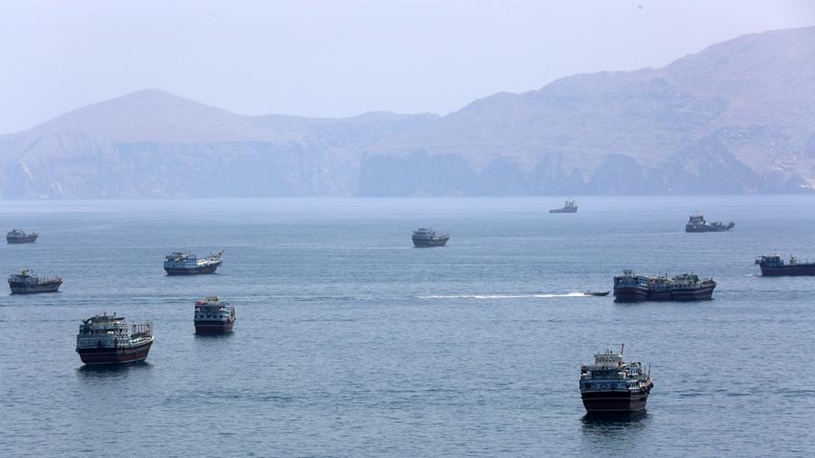
The current crisis traces to January 30, 2026, when Middle East tensions ignited with Israeli strikes on Iranian assets in Syria, killing 12 IRGC officers—the escalation's catalyst, as detailed in "Middle East Strike Ignites Unprecedented Economic Diversification and Emerging Trade Alliances". This prompted evacuations and heightened alerts by February 28, coinciding with Iran's retaliatory drone swarms on Gulf shipping lanes. That same day, Hezbollah intensified rocket barrages, forcing 100,000 Lebanese evacuations.
March 1 saw warnings of regional power involvement, as Saudi Arabia and UAE bolstered defenses amid Hormuz Strait threats. The tipping point came March 9: the seventh US service member died in Operation Epic Fury, a joint US-Israeli raid on Iranian nuclear sites, sparking mass displacements and attacks on water infrastructure across the region. Recent escalations include March 9's Iran-Qatar strikes (medium severity), March 10's health system strains (high), March 12's water plant assaults (high), March 15-16's Lebanon crisis (critical), and March 18's Bahrain alerts (high).
These events directly influence Africa. Post-January 30 arms diversions flooded Sudan via Red Sea routes, empowering RSF advances in El-Fasher. Nigeria's Katsina bandits, per local analysts, adopted Hezbollah IED tactics post-March 9 propaganda spikes. Parallels to 2011's Arab Spring—where Libyan chaos armed Sahel jihadists—highlight non-isolation: Middle East fallout destabilizes Africa's fragile states, altering migration, terror, and resource flows.
Original Analysis: The Role of Non-State Actors and Geopolitical Shifts
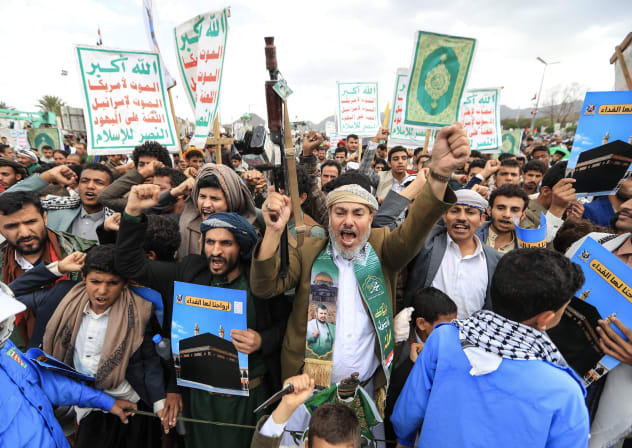
Non-state actors are the linchpin amplifying spillover. RSF militias in Sudan, like West Bank settlers, operate with impunity, their abuses enabled by external patrons. Settler violence, often ideologically driven by messianic Zionism, parallels RSF's tribal supremacism, both unchecked by central authority. Hezbollah's Lebanon clashes export "resistance" ideology, resonating with Nigerian Islamists who frame clashes as anti-imperial jihad.
Geopolitically, Iran exploits this: proxy funding via Houthis reaches African ports, per satellite imagery from March 16 escalations. This forges Global South alliances—Sudan’s RSF reportedly bartering gold for drones, Nigeria’s bandits trading migrants. International responses falter: UN resolutions on Sudan ignore arms origins, while US focus on Israel blinds to African blowback.
Strategic repercussions are stark. Control over African rare earths and oil could shift to Tehran-backed networks, eroding Western alliances. Patterns suggest a "hybrid proxy belt" from Lebanon to the Sahel, challenging NATO and AU efficacy.
Predictive Outlook: Forecasting Future Escalations and Opportunities
If Middle East tensions persist, proxy wars in Africa loom: Sudan’s El-Fasher could fall by April, triggering RSF-Iran pacts; Nigeria’s Katsina violence may spawn Hezbollah-trained cells, displacing 500,000 by mid-2026. Humanitarian crises will worsen—Sudan famine affecting 25 million, Nigeria migrations to Europe spiking 30%. Regional powers like Iran may deepen involvement, testing US red lines post-Epic Fury.
Yet opportunities exist: Diplomatic breakthroughs, such as G7-led Sahel talks addressing arms flows, could de-escalate. AU-EU pacts on border security, or US incentives for Sudan mediation, might avert broader conflict. Watch for April ceasefires in Lebanon unwinding African supply lines.
Catalyst AI Market Prediction
The World Now's Catalyst AI engine forecasts market ripples from these escalations, driven by oil disruptions and risk-off sentiment:
- OIL: Predicted + (high confidence) — Direct supply disruptions from US-Israeli strikes on Tehran oil infrastructure, Iranian attacks on Gulf energy sites, and Hormuz tensions spike risk premiums and curtail exports. Historical precedent: Similar to September 2019 Saudi Aramco drone attacks when OIL surged 15% intraday. Key risk: Rapid diplomatic de-escalation or OPEC+ output increase unwinds premium within 24h.
- USD: Predicted + (medium confidence) — Safe-haven bid strengthens USD as global risk-off flows into US assets amid ME oil threats. Historical precedent: Similar to February 2022 Ukraine crisis when DXY rose 2% in 48h. Key risk: Coordinated G7 de-escalation rhetoric weakens haven demand.
- SPX: Predicted - (medium confidence) — Broad risk-off from ME/Afghanistan escalations triggers algorithmic deleveraging and equity outflows to safe havens. Historical precedent: Similar to February 2022 Ukraine invasion when SPX dropped 5% in 48h. Key risk: Positive US policy response caps downside.
- GOLD: Predicted + (medium confidence) — Safe-haven demand surges on ME escalation uncertainty. Historical precedent: Feb 2022 Ukraine when GOLD rose 8% in two weeks. Key risk: Dollar overshoot dominates.
- BTC: Predicted - (low confidence) — Correlated risk-off flows from SPX trigger BTC liquidations as risk asset. Historical precedent: Feb 2022 Ukraine invasion dropped BTC 10% in 48h. Key risk: safe-haven narrative gains traction amid USD weakness.
- ETH: Predicted - (low confidence) — Risk-off cascades hit ETH via BTC correlation and DeFi delever. Historical precedent: Feb 2022 Ukraine drop of 12% in 48h. Key risk: ETF inflows counter.
- SOL: Predicted - (low confidence) — Risk-off contagion from equity selloff hits high-beta crypto via liquidations. Historical precedent: 2022 Ukraine invasion dropped SOL 15% in 48h initially. Key risk: dip-buying by retail reasserts quickly.
- EUR: Predicted - (low confidence) — Risk-off weakens EUR vs USD safe-haven as Europe exposed to energy imports. Historical precedent: 2011 Syrian crisis saw EUR drop 2% amid volatility. Key risk: ECB hawkishness on oil inflation supports EUR.
Predictions powered by Catalyst AI — Market Predictions. Track real-time AI predictions for 28+ assets.