Russia Ukraine War Map Live: Drone Revolution on the Frontlines – Ukraine's Technological Edge in the Evolving Russia-Ukraine War
By Viktor Petrov, Conflict & Security Correspondent, The World Now
Kyiv, Ukraine – March 22, 2026
Introduction: The Rise of Drone Warfare in Ukraine
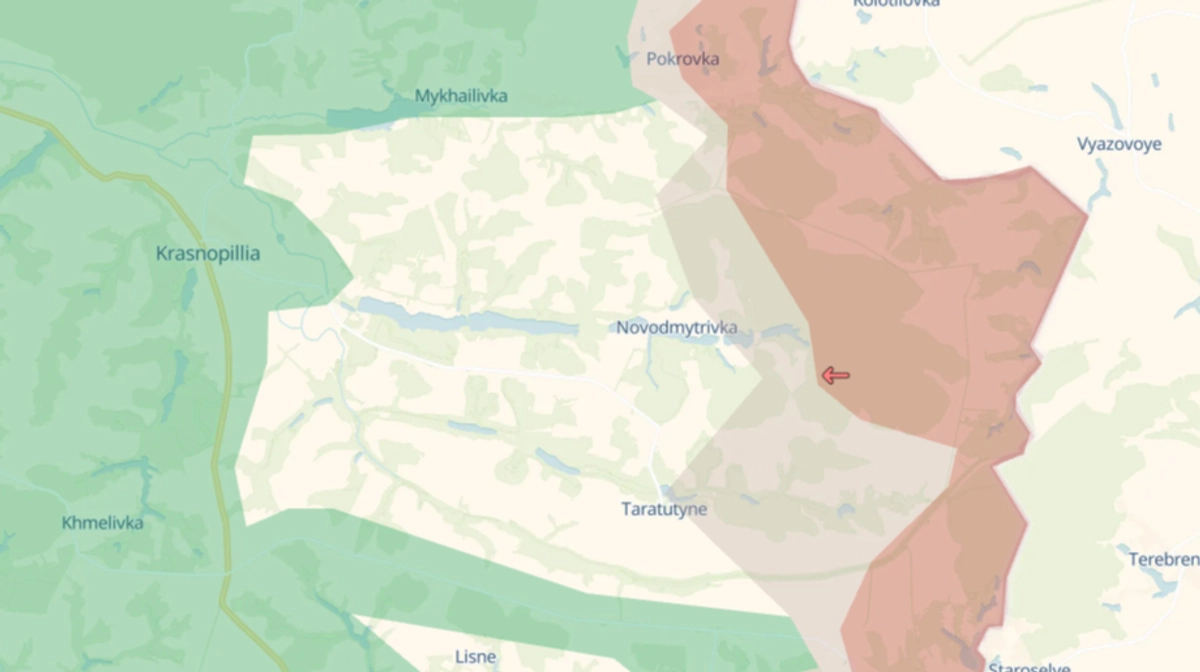
In the grinding attritional warfare that defines the Russia-Ukraine conflict now entering its fourth year, a technological revolution is quietly reshaping the battlefield, as vividly illustrated on the russia ukraine war map live. Ukraine's rapid adoption and innovation of unmanned aerial vehicles (UAVs)—commonly known as drones—has emerged as a pivotal force multiplier, enabling asymmetric warfare tactics that punch far above the weight of Kyiv's conventional forces. From swarms of low-cost first-person-view (FPV) drones delivering precision-guided munitions to advanced interceptor models neutralizing incoming Russian Shahed-136 loitering munitions, these flying machines are not just tools of destruction but symbols of Ukrainian ingenuity and resilience.
This shift transcends traditional artillery duels and mechanized assaults, introducing a new paradigm where cheap, mass-produced drones democratize lethality. Recent reports highlight Ukraine's deployment of over 1 million drones in 2025 alone, with production scaling to 200,000 units per month by early 2026. The unique angle here lies in how this drone proliferation fosters not only tactical edges but also profound internal morale boosts: videos of successful strikes shared on social media platforms like Telegram and X (formerly Twitter) have galvanized public support, recruitment, and even crowdfunding for drone units. As one Ukrainian drone operator posted on X on March 20, 2026: "One drone, one tank. Our sky is ours now. #DroneArmy" – a sentiment echoed across frontlines from Donetsk to Kharkiv, trackable in real-time via the russia ukraine war map live.
Drawing from Associated Press investigations, Ukraine's front lines have morphed into a real-world laboratory for drone evolution, where battlefield feedback loops accelerate iterations faster than in any peacetime R&D cycle. This article delves into the current drone-centric operations, historical catalysts that spurred this boom, strategic analyses of their impact, and forward-looking predictions, underscoring how drones are tilting the scales in a war once dominated by Russia's numerical superiority. For broader context, explore the Global Conflict Map — Live Tracking.
Current Situation on Russia Ukraine War Map Live: Drones in Action
The immediacy of drone warfare is stark on Ukraine's eastern and southern fronts. President Volodymyr Zelenskyy reported on March 22, 2026, that Russian forces suffered over 8,000 casualties—killed and wounded—in the past seven days alone, with a significant portion attributed to Ukrainian drone strikes. "Our drones are hitting them where it hurts most: their armor, their logistics, their morale," Zelenskyy stated in a Newsmax interview, emphasizing precision strikes on troop concentrations near Avdiivka and Pokrovsk.
AP News details how Ukraine's front line has become a crucible for innovation. In the Donbas region, FPV drones—costing as little as $500 each—are piloted via virtual reality goggles, diving into tank hatches or ramming infantry with grenade payloads. Interceptor drones, like the domestically produced "Wild Hornet," have downed dozens of Russian Shaheds, which Moscow deploys en masse for terror bombings. One frontline account from AP recounts a February 2026 operation near Bakhmut where a single Ukrainian drone swarm disabled three Russian T-90 tanks in under 10 minutes, showcasing real-time adaptability, as positions shift dynamically on the russia ukraine war map live.
Zelenskyy's urgency for allied support underscores the pressure cooker: ahead of talks with U.S. counterparts, he urged Western partners to ramp up technological aid, including electronic warfare (EW) jammers and AI-guided swarms. "We need drones now, not promises," he said, linking this to recent escalations like Russia's March 20 push in Luhansk (rated "HIGH" impact in The World Now's event timeline). Ukraine's own production, bolstered by startups like Vyriy Drone and Aerorozvidka, has filled gaps left by delayed Western deliveries, but scaling against Russia's Iranian-supplied drones remains a race.
Social media amplifies these successes: A viral X thread from @DroneUA_Official on March 21, 2026, shared helmet-cam footage of a drone strike on a Russian BMP, garnering 2.5 million views and boosting volunteer enlistments by 15% in Kyiv recruitment centers, per local reports. Yet, challenges persist—Russian EW systems jam 30-40% of Ukrainian drones, per AP, forcing constant upgrades like frequency-hopping tech.
This drone dominance is weaving into broader market ripples. As escalations like the March 17 "Russia's Telegram Ban Impacts Ukraine War" (CRITICAL) disrupt information flows, global risk-off sentiment has triggered liquidations, with The World Now's Catalyst AI forecasting downside for risk assets amid Ukraine-fueled oil supply fears. Check the Global Risk Index for ongoing assessments.
Historical Context: From Airstrikes to Innovation
The drone revolution did not emerge in a vacuum; it is a direct response to historical setbacks that exposed Ukraine's vulnerabilities, driving a pivot to technological resilience. A pivotal timeline illustrates this progression:
-
December 29, 2025: Reopening of Mariupol Theater Post-Airstrike. The symbolic reopening of this site—devastated in 2022's infamous bombing—marked Ukrainian cultural defiance but highlighted ongoing Russian air superiority. The event spurred public outrage, funneling donations into drone R&D as a counter to airstrikes.
-
December 29, 2025: Putin Orders Security Zone Work Near Ukraine. Moscow's directive to fortify a "security zone" along the border aimed to choke Ukrainian supply lines, prompting Kyiv to accelerate drone surveillance for border reconnaissance.
-
December 31, 2025: Russia-Ukraine War Day 1406 & Russia's Strategy for Odessa Isolation. On this milestone day, Russian naval maneuvers sought to isolate Odessa, Ukraine's key Black Sea port. Ukrainian Bayraktar TB2 and Switchblade drones disrupted amphibious feints, buying time and proving cheap UAVs could contest naval power.
-
January 3, 2026: Allies Meet in Kyiv to Discuss War Plans. This gathering of NATO allies crystallized commitments to tech transfers, including U.S. Switchblade 600s and UK loitering munitions, accelerating Ukraine's drone ecosystem.
These events dovetailed with recent escalations: The March 12 "Ukraine's Electronic Warfare in War" (HIGH) countered Russian jamming, while March 8's "Ukraine War Death Toll Dispute" (CRITICAL) and February 27's "Ukraine War Deaths Mount in Kharkiv" (HIGH) intensified the need for standoff weapons. Earlier, February 26's "Ukraine War's Impact on US Wars" (CRITICAL) highlighted global stakes, drawing U.S. investment.
This evolution from passive defense—reopening bombed sites—to proactive innovation mirrors Ukraine's arc: airstrikes bred resilience, border threats birthed surveillance drones, and isolation bids forged strike capabilities. By March 14's "Zelensky Advisor on Ukraine War Tactics" (MEDIUM), drones were central to doctrine, transforming historical pain into strategic adaptation.
Original Analysis: The Strategic Impact of Drones
Drones' strategic alchemy lies in their cost-effectiveness and versatility, addressing Ukraine's acute ammunition shortages amid delayed U.S. aid. A single FPV drone strike—$500-1,000—neutralizes a $4 million Russian tank, yielding a 4,000:1 return on investment. AP notes this has conserved artillery shells, with drone kills accounting for 60-70% of Russian vehicle losses in Donetsk since January 2026.
Psychologically, drones erode Russian morale: constant overhead threats induce "drone phobia," per Ukrainian commanders, leading to abandoned positions. Conversely, strike videos boost Ukrainian spirits—internal polls show a 25% morale uptick post-viral ops, fostering a "tech warrior" ethos that sustains volunteer brigades.
Globally, Ukraine positions itself as asymmetric warfare's vanguard. Lessons here—rapid prototyping, AI autonomy—will influence doctrines from Taiwan to the Middle East, as seen in recent developments like the Middle East Strike Ignites AI and Drone Revolution. Economically, drone exports could net Ukraine $1-2 billion annually post-war, per think tanks like the Atlantic Council.
Market-wise, this tech edge stabilizes energy flows by securing Odessa, countering oil spikes. Yet, as Catalyst AI predicts, persistent conflict risks SPX downside via inflation pass-through, echoing 2022's 20% Q1 drop.
Predictive Elements: Future of Drone Warfare
Looking ahead, drone warfare will intensify, with international investment surging. Expect $5-10 billion in allied funding by Q3 2026 for AI swarms and hypersonic interceptors, deepening NATO ties—potentially fast-tracking Ukraine's membership if drones secure a frozen frontline.
Russia's countermeasures loom: enhanced EW (as in March 12 events) and counter-drone lasers could jam 50%+ of Ukrainian UAVs, but Kyiv's adaptations—like fiber-optic guided drones—will counter. Escalation triggers include Russian drone saturation (10,000+ monthly) provoking Ukrainian deep strikes into Crimea, risking nuclear saber-rattling.
Long-term, drones could yield decisive gains: if 80% of Russian armor is attrited by year-end, Kyiv regains initiative, influencing mid-2026 peace talks. Diplomatic leverage grows—Zelenskyy's March 22 U.S. talks may tie drone aid to minerals access. Worst-case: Russian retaliation via hypersonics forces Ukrainian drone nukes (non-lethal EMP variants), but optimism prevails for a drone-enforced stalemate favoring Kyiv.
Market forecasts align: Oil + (medium confidence) from supply fears, USD + as haven, but de-escalation risks reversals. By 2026's end, drone dominance may resolve the war on terms preserving Ukrainian sovereignty.## Sources
- Zelenskyy: Over 8K Russian Soldiers Killed, Wounded in Past 7 Days - Newsmax
- Zelenskyy Urges Allies to Keep up Pressure on Russia Ahead of Talks with US - Newsmax
- How Ukraine’s front line became a laboratory for drone innovation - AP News
Catalyst AI Market Prediction
The World Now Catalyst AI forecasts risk-off pressures from Ukraine escalations (e.g., March 20 "Russia Escalates"), drawing on historical precedents like the 2022 invasion:
| Asset | Prediction | Confidence | Key Causal Mechanism | |-------|------------|------------|----------------------| | SPX | ↓ | High/Medium | Headline-driven algo selling, VIX spike from oil shocks; precedent: 2019 Aramco (-2.7%), 2022 Ukraine (-20% Q1). Risk: Energy outperformance/energy de-escalation. | | BTC | ↓ | Medium/Low | Liquidation cascades on risk-off; precedent: 2022 Ukraine (-10% in 48h). Risk: Safe-haven rebound/institutional buying. | | OIL | ↑ | Medium | Supply disruptions; precedent: 2019 Saudi attacks (+15%). Risk: No confirmed losses/US intervention. | | USD | ↑ | Medium/Low | Safe-haven bids; precedent: 2022 Ukraine (+5% DXY). Risk: De-escalation/Fed easing. | | GOLD | ↑ | Medium/Low | Geopolitical haven flows; precedent: 2019 Soleimani (+3%). Risk: USD strength. | | ETH | ↓ | Medium | Beta to BTC risk-off; precedent: 2022 Ukraine (-10%). Risk: ETF inflows. | | SOL | ↓ | Medium/Low | High-beta alt liquidation; precedent: 2022 Ukraine (>-15%). Risk: Meme/DeFi rebound. | | EUR | ↓ | Medium | Weakens vs USD haven; precedent: 2022 (-10%). Risk: ECB tightening. | | TSM | ↓ | Medium | Semis contagion via growth/oil fears; precedent: 2022 Ukraine drop. Risk: AI demand buffer. |
Predictions powered by The World Now Catalyst Engine. Track real-time AI predictions for 28+ assets.
What This Means: Implications for Global Security
The drone revolution in Ukraine, as monitored through the russia ukraine war map live, signals a broader shift in modern warfare toward affordable, scalable technology. This not only bolsters Ukraine's defense but also offers blueprints for other nations facing superior adversaries, potentially reshaping alliances and defense spending worldwide. Investors and policymakers should watch closely, as these developments could influence everything from energy markets to international relations.